The global energy transition continues to reshape industrial landscapes, and a recent €1.7 billion (USD$1.7 billion) financing package secured by German steelmakers SHS – Stahl-Holding-Saar Group for its Power4Steel initiative provides a compelling case study. This substantial investment, earmarked for a major decarbonization project aimed at producing climate-neutral steel, underscores the accelerating capital flow into green industrial transformation. For oil and gas investors, this development is more than just an environmental headline; it signifies a deep, structural shift in demand patterns for traditional energy sources within heavy industry, highlighting the long-term strategic pivot away from high-carbon processes, even amidst today’s volatile crude markets.
Germany’s Green Steel Ambition: A Blueprint for Industrial Decarbonization Capital
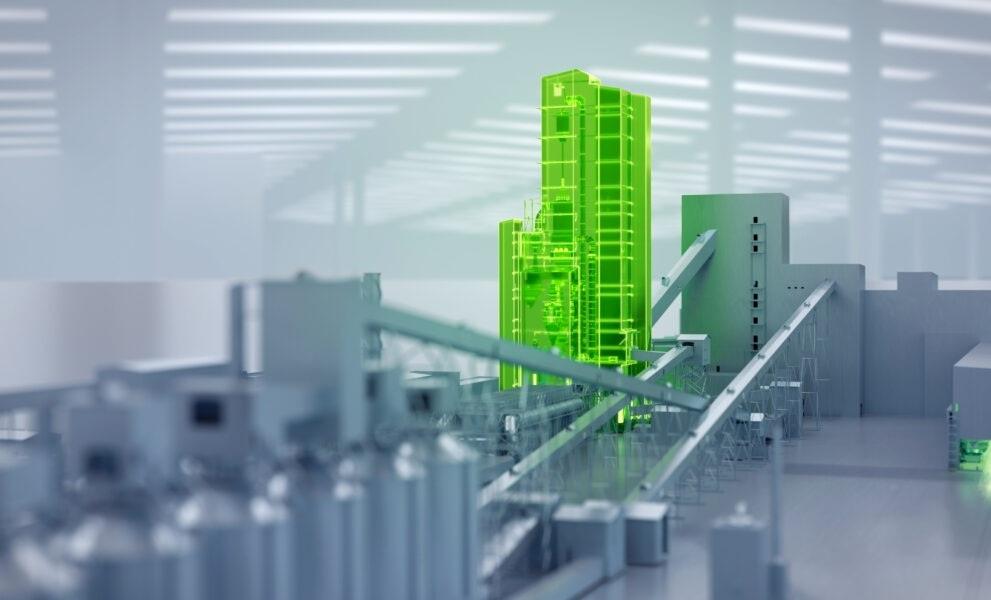
Steelmaking is notoriously one of the most carbon-intensive industries, globally responsible for an estimated 7% to 9% of direct greenhouse gas emissions from fossil fuel use. SHS’s Power4Steel project directly confronts this challenge, targeting fully climate-neutral steelmaking by 2045, with an ambitious interim goal of a 55% CO2 reduction by 2030. The core of this transformation involves replacing existing blast furnaces and converters with a new direct reduction plant and two electric arc furnaces, leveraging hydrogen, electric steel production, and scrap recycling. This isn’t merely an incremental improvement; it’s a fundamental overhaul of the production process. The expected output of up to 3.5 million tons of CO2-reduced steel annually by 2028/29 illustrates the significant scale of this investment. For investors monitoring the energy transition, this massive capital allocation signals a clear commitment from European industrial giants and governments to de-risk and accelerate decarbonization, setting a potential blueprint for other heavy industries globally.
Navigating Volatility: Green Investments Amidst Crude Market Swings
The long-term strategic shifts exemplified by projects like Power4Steel occur against a backdrop of highly dynamic and often unpredictable energy markets. As of today, Brent Crude trades at $90.38, reflecting a significant 9.07% decline from its open, with WTI Crude mirroring this trend at $82.59, down 9.41%. This sharp daily contraction extends a broader trend, with Brent having shed $22.4, or nearly 20%, over the past 14 days, falling from $112.78 to its current level. This volatility, often driven by geopolitical tensions, supply-demand imbalances, and macroeconomic headwinds, prompts many investors to ask what the price of oil per barrel will be by the end of 2026. While short-term price predictions remain challenging, the divergence is clear: while crude markets experience whipsaw movements, the capital flow into industrial decarbonization projects like SHS’s €1.7 billion initiative remains robust and structurally supported. This suggests that the decarbonization trajectory is less sensitive to immediate crude price fluctuations, bolstered by policy support and long-term sustainability mandates.
The Power of Blended Finance: De-Risking the Transition
The structure of SHS’s €1.7 billion financing package offers critical insights for investors into how large-scale green industrial projects are being funded. It’s a sophisticated blend of corporate and investment financing, crucially supported by both the German Federal Government and the Saarland Regional Government through substantial equity contributions and direct financial aid. Further de-risking comes from export credit agencies like OeKB (Austria) and SACE (Italy), alongside a consortium of leading national and international banks. This multi-layered approach, combining public support with private capital and export finance, is becoming a prevalent model for enabling projects that might otherwise struggle to secure full funding due to their scale, technological novelty, or perceived risk. For oil and gas investors, understanding this blended finance model is essential, as it indicates a sustained commitment to funding large-scale energy transition projects, potentially drawing capital away from traditional fossil fuel ventures in the long run and influencing future energy demand curves.
Upcoming Catalysts and Future Energy Demand Implications
The immediate future holds several key energy events that will undoubtedly influence market sentiment and potentially, the pace of the broader energy transition. The upcoming OPEC+ JMMC Meeting on April 19th, followed by the OPEC+ Ministerial Meeting on April 20th, will be closely watched by investors eager for clarity on production quotas and their impact on global supply. Many of our readers are specifically asking about current OPEC+ production quotas, underscoring the market’s focus on cartel policy. While these meetings address near-term crude supply dynamics, and weekly reports like the API and EIA inventory data (due April 21st and 22nd, respectively) provide snapshots of demand, the long-term implications of initiatives like Power4Steel are far more profound. Projects that replace traditional fossil-fuel-intensive processes with hydrogen and electric-based methods fundamentally alter the energy mix required by industrial giants. While this particular project focuses on green hydrogen and electricity, the broader push for industrial decarbonization still presents opportunities and challenges for the natural gas sector, especially if blue hydrogen (produced from natural gas with carbon capture) plays a significant bridging role. Investors must look beyond the immediate headlines and consider how these structural shifts in industrial energy consumption will reshape demand for all energy commodities over the coming decades.


