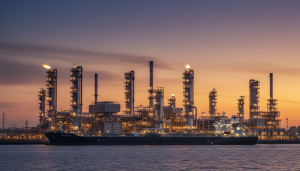
Shipping Retreat from Hormuz Adds Oil Risk Premium
The global oil and gas market is grappling with heightened geopolitical tensions, as a discernible shift in maritime behavior around the critical Strait of Hormuz signals growing unease among shipowners. This strategic waterway, a linchpin for global energy flows, is experiencing a “modest drop” in vessel traffic, according to the world’s leading shipping association, Bimco. This reticence directly reflects the escalating conflict between Israel and Iran, a development that injects a significant risk premium into crude oil prices and warrants close attention from energy investors.
Geopolitical Flashpoint Escalates Maritime Caution
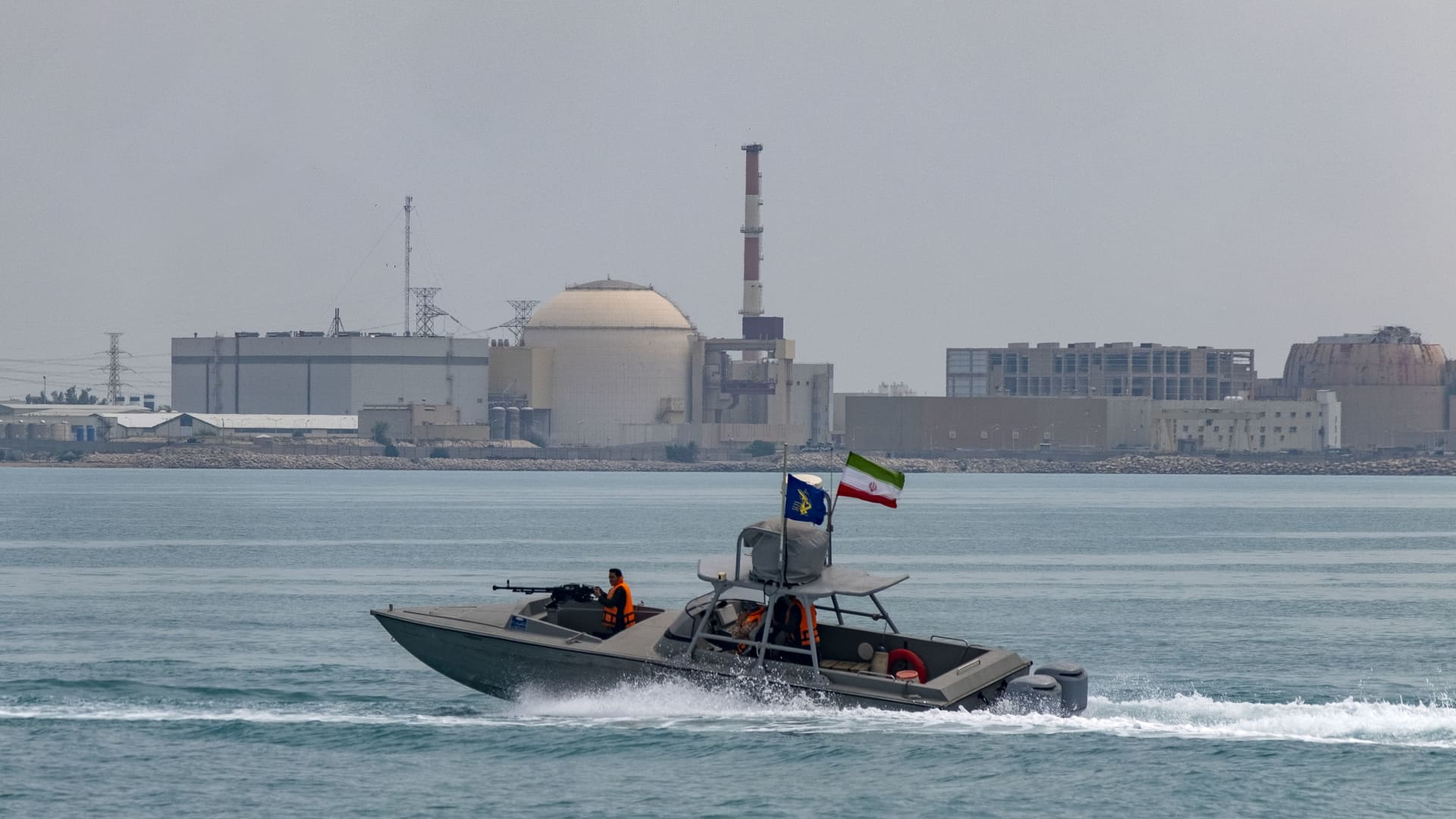
Recent events have dramatically ratcheted up regional instability. Following a surprise assault by Israel targeting Iranian military and nuclear installations on Friday, the confrontation between these two regional powers has intensified over four consecutive days of escalating warfare. This rapid deterioration has compelled commercial shipping operators to exercise extreme caution across key maritime arteries, specifically the Red Sea and, crucially, the Strait of Hormuz. The latter not only serves as a vital conduit for the world’s petroleum industry but also acts as an essential entry point for container ships bound for Dubai’s expansive Jebel Ali Port.
Jakob Larsen, Bimco’s head of security, confirmed the rising apprehension within the shipowning community. He noted that while Bimco typically refrains from advising vessels to avoid specific regions, the current situation introduces an undeniable element of uncertainty. This dynamic highlights the complex risk assessment undertaken by shipping companies, whose operational decisions directly influence the stability of global supply chains and, consequently, energy markets.
Navigating Uncertainty: Shipowners’ Divergent Strategies
The response from shipowners to the escalating threats is varied, reflecting differing risk tolerances and commercial imperatives. Larsen elaborated that while most operators continue to traverse the Strait, a notable segment has opted to alter their routes or delay passages, effectively steering clear of the perceived danger zone. This fragmented approach underscores the gravity of the situation, as even a “modest drop” in traffic through such a critical chokepoint can have outsized implications for global trade and commodity prices.
Economically, periods of elevated security threats often trigger an increase in freight rates and crew wages. This creates a powerful financial incentive for some operators to assume the added risk of navigating conflict zones. This fundamental market mechanism, where higher compensation offsets increased danger, has historically enabled global trade to persist through numerous conflicts and wars over centuries. However, the current environment presents a unique blend of persistent regional instability and the immense volume of vital resources transiting the Strait, making the risk calculus particularly delicate for investors.
Hormuz: The Unshakeable Oil Chokepoint
The Strait of Hormuz connects the Persian Gulf to the Arabian Sea and remains unequivocally recognized as the world’s most strategically important oil chokepoint. Its significance to the global energy landscape cannot be overstated. In 2023, the U.S. Energy Information Administration reported that an astounding 20.9 million barrels of oil traversed this narrow passage daily. This volume alone accounted for approximately 20% of the world’s total petroleum liquids consumption, underscoring its indispensable role in supplying global energy demand.
Any impediment to the free flow of oil through the Strait of Hormuz, even if temporary, carries immediate and severe consequences. Such disruptions invariably trigger a sharp upward trajectory in global energy prices, inflate shipping costs across the board, and introduce significant delays throughout the supply chain. For oil and gas investors, monitoring the security situation in Hormuz is paramount, as it directly impacts production logistics, transportation expenses, and ultimately, the profitability of energy assets.
Broader Implications for Global Trade and Investment
Beyond its crucial role in crude oil transportation, the Strait of Hormuz is also a cornerstone of international container trade. The region hosts major transshipment hubs, including Jebel Ali and Khor Fakkan. These ports serve as pivotal intermediary points within complex global shipping networks, facilitating the efficient movement of goods worldwide. A substantial portion of the cargo volumes originating from these hubs is destined for Dubai, which has cemented its status as a vital logistical center for freight movement, supported by extensive feeder services connecting the Persian Gulf, South Asia, and East Africa.
Peter Tirschwell, vice president for maritime and trade at S&P Global Market Intelligence, has also observed indications that various shipping conglomerates are beginning to “shy away” from navigating this increasingly volatile maritime corridor. This collective caution, whether through rerouting or delaying shipments, is a direct response to the perceived elevation of risk and serves as a powerful indicator of market sentiment.
Investor Outlook: Monitoring the Risk Premium
For investors in the oil and gas sector, the current situation surrounding the Strait of Hormuz mandates continuous vigilance. The geopolitical risk premium embedded in oil prices is likely to remain elevated as long as the Israel-Iran conflict continues to simmer, or worse, escalate. Potential disruptions, even minor ones, could send shockwaves through the global energy market, impacting everything from exploration and production companies to refiners and transporters.
Understanding the intricate interplay between regional security, maritime logistics, and global energy demand is critical for making informed investment decisions. As shipowners adjust their strategies in response to perceived threats, the ripple effects on crude oil supply, shipping costs, and overall market stability will be profound. Investors should closely track geopolitical developments, maritime traffic data, and expert analysis to gauge the evolving risk landscape and position their portfolios accordingly amidst this period of heightened uncertainty.