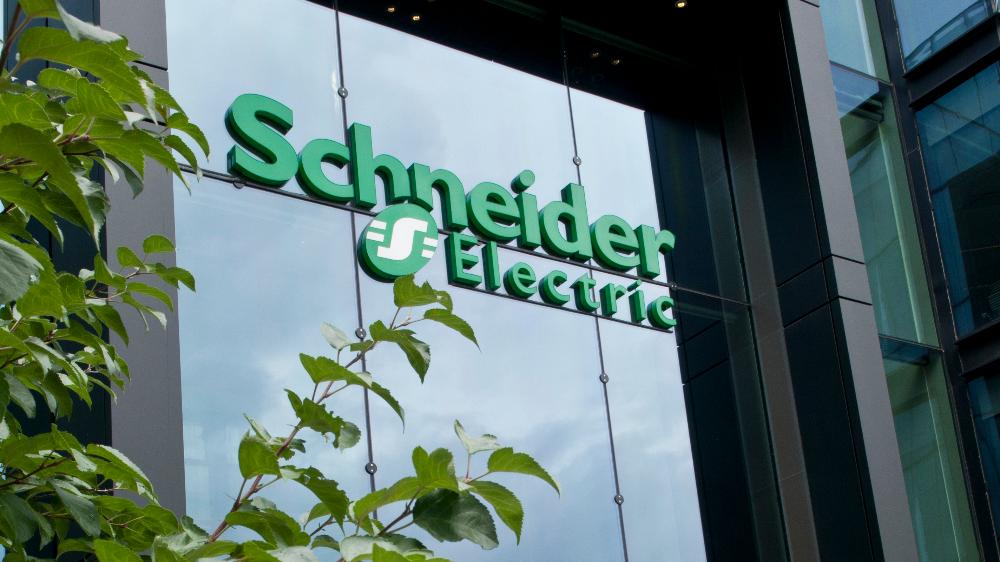
In a significant move poised to redefine the landscape of commercial real estate and energy management, Schneider Electric has unveiled its pioneering “Impact Building” in Dubai. This flagship intelligent facility, christened “The NEST,” stands as a concrete demonstration of how advanced digitalization and electrification strategies can dramatically enhance sustainability and operational efficiency in large-scale commercial properties. For investors tracking the global energy transition and the burgeoning market for green infrastructure, this development signals a powerful trend in value creation and decarbonization within the built environment.
Located in a region increasingly focused on innovation and sustainable development, The NEST serves as Schneider Electric’s first real-world showcase under its ambitious Impact Buildings Program. The initiative underscores a strategic commitment to transforming how commercial spaces operate, aligning environmental responsibility with tangible economic benefits. Executives from Schneider Electric emphasized that this project is not merely a theoretical exercise but a practical application of their vision, proving that buildings can evolve to meet the complex demands of future business operations, seamlessly integrating with an enterprise’s core objectives and its workforce.
“The NEST”: A Blueprint for Efficiency and Innovation
Spanning an impressive 10,000 square meters and accommodating over 1,000 employees, The NEST is engineered for peak performance, intelligence, and environmental stewardship. Financial projections for The NEST indicate a significant 37% reduction in energy consumption compared to the company’s previous regional footprint. This efficiency gain translates directly into an impressive annual elimination of 572 metric tons of carbon dioxide, a figure equivalent to the yearly power usage of approximately 77 average homes. Such substantial reductions highlight the immediate and profound impact that integrated smart building technologies can have on operational expenditures and environmental footprint.
Beyond its impressive energy metrics, The NEST functions as a vital innovation hub. It houses the region’s inaugural Global Innovation Hub, offering immersive, hands-on demonstrations of Schneider Electric’s integrated EcoStruxure™ solutions. These encompass critical systems like Building Operation, Power Monitoring Expert, and the comprehensive Building Data Platform. These technologies collectively enable real-time monitoring, predictive maintenance, and optimized energy usage across the facility. Furthermore, a dedicated Training Center within The NEST is set to play a crucial role in workforce development and youth empowerment, fostering the skills necessary for the region’s accelerated clean energy transition.
Scaling the Impact: A Global Decarbonization Strategy
The strategic importance of The NEST extends far beyond its physical confines in Dubai. It represents a scalable model for Schneider Electric’s broader Impact Buildings Program, which aims for a global rollout over the next 18 months. This expansion will involve both new constructions and the critical retrofitting of existing facilities, aligning building performance directly with increasingly stringent Environmental, Social, and Governance (ESG) imperatives. This program offers a compelling investment thesis for the future of commercial real estate, where energy efficiency and sustainability are no longer optional but fundamental drivers of asset value and corporate resilience.
Industry leaders frequently underscore that buildings are responsible for a staggering 37% of global carbon emissions. This statistic alone highlights the immense market opportunity for technologies and solutions that can drastically reduce this impact. Schneider Electric’s proactive approach positions it not only as a technology provider but also as a living testament to the efficacy of its solutions. By transforming its own global sites, the company demonstrates a powerful commitment to accelerating national net-zero goals while simultaneously creating world-class, collaborative environments for its workforce.
Investor Outlook: The Future of Energy-Efficient Real Estate
For investors keenly observing the energy sector, the advancements demonstrated by projects like The NEST offer critical insights into where capital is flowing and where future returns are likely to be generated. The drive towards smart, low-carbon buildings is no longer a niche trend; it is a fundamental shift in commercial real estate development and management. Companies like Schneider Electric, which provide the essential digital and electrical infrastructure for this transformation, are poised for significant growth.
The imperative to decarbonize the built environment is fueled by a confluence of factors: tightening regulatory frameworks, escalating energy costs, growing corporate ESG commitments, and increasing tenant demand for sustainable spaces. Investing in companies that enable this transition provides exposure to a market with substantial long-term growth potential. The ability to reduce operational costs through advanced energy management, enhance asset value through green certifications, and meet stakeholder expectations for environmental responsibility are becoming non-negotiable aspects of modern real estate portfolios.
Schneider Electric’s Impact Buildings Program, spearheaded by the success of The NEST in Dubai, illustrates a strategic pathway for organizations worldwide to achieve significant energy savings and carbon reductions. This initiative underscores the critical role of digitalization and electrification in the global energy transition, proving that intelligent buildings are not just environmentally friendly but also economically advantageous. As the world continues its journey towards net-zero, companies offering tangible, scalable solutions for energy efficiency in commercial and industrial settings will undoubtedly capture the attention of forward-thinking investors seeking sustainable growth.