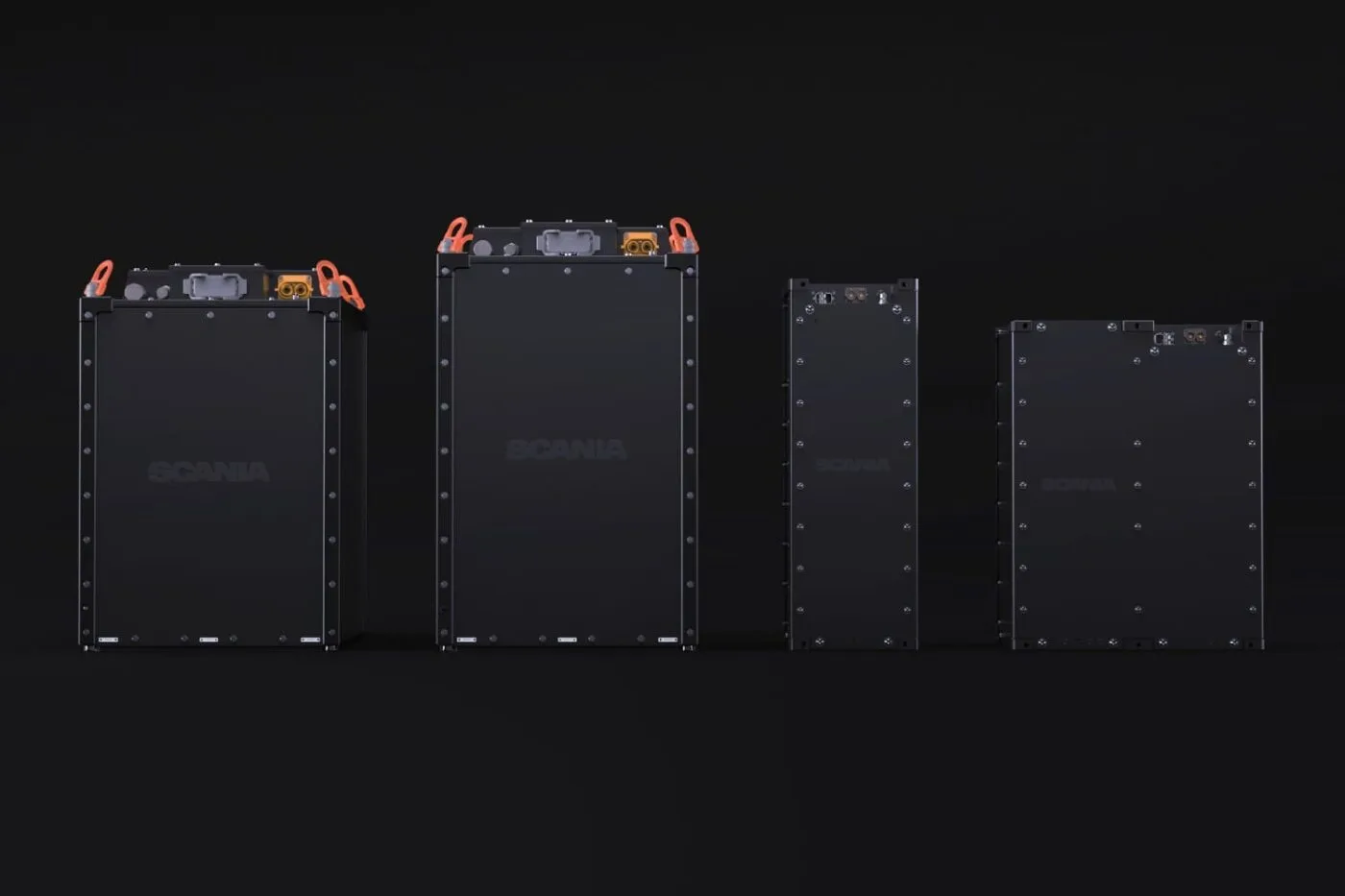
The strategic shift by commercial vehicle giant Scania to establish Scania Industrial Batteries in Sweden marks a pivotal moment for the off-road and industrial sectors, signaling an accelerating transition away from traditional fossil fuels. By acquiring a profitable Northvolt subsidiary and integrating its expertise in battery systems, Scania is positioning itself as a key provider of electrified solutions for heavy industry. This move, which saw Scania take over production facilities near Gdansk, a research and development center in Tomteboda, and a team of 260 employees, is more than just an expansion of product lines; it represents a significant challenge to long-term diesel demand in segments previously considered impregnable. For oil and gas investors, this development underscores the growing imperative to understand the speed and scope of electrification, even in the most demanding operational environments.
Scania’s Electrification Strategy and the Erosion of Diesel Demand
Scania’s foray into manufacturing and selling battery systems for off-road and industrial applications to third parties is a clear strategic play, extending beyond its own vehicle lineup. The newly formed Scania Industrial Batteries will offer a ‘fully integrated solution’ ranging from 21 to 624 kWh and up to 1000 volts, compatible with Scania’s existing electric drive components. This move is not merely about compliance or niche offerings; it’s about leading the electrification of heavy-duty applications. As Gustaf Sundell, Executive Vice President and Head of Ventures and New Business at Scania, articulated, the goal is to accelerate the transition to sustainable solutions in the toughest off-road environments. This directly translates to an anticipated erosion of diesel consumption in sectors like construction, mining, and port operations. Investors in refining and distribution of middle distillates, particularly diesel, must account for this growing trend. While the immediate impact may seem incremental, the long-term cumulative effect of major industrial players like Scania pushing electrification across various heavy-duty segments will be substantial, reshaping demand curves for years to come.
Navigating Current Market Volatility Amidst Long-Term Shifts
While the long-term energy transition narrative gains momentum with developments like Scania’s battery venture, the immediate crude oil market presents a stark reminder of short-term volatility. As of today, Brent Crude trades at $90.38 per barrel, experiencing a significant single-day decline of 9.07%, with WTI Crude similarly falling to $82.59, down 9.41%. This steep daily drop follows a broader trend; Brent has shed $20.91, or 18.5%, over the past 14 days, falling from $112.78 to $91.87. Gasoline prices have also retreated to $2.93, a 5.18% decrease. This current market snapshot, characterized by pronounced downward pressure, highlights the delicate balance between supply-side concerns, global economic indicators, and the underlying long-term demand erosion driven by electrification. For investors, this creates a complex environment where tactical plays are influenced by immediate price swings, even as strategic portfolio adjustments must consider the structural changes heralded by companies like Scania. The contrast between daily price drops and the steady advance of electrification underscores a bifurcation in market analysis: short-term trading is often driven by sentiment and immediate supply/demand imbalances, while long-term investing demands foresight into fundamental shifts in energy consumption patterns.
Upcoming Events and Their Impact on a Changing Energy Landscape
The coming weeks are packed with critical energy events that will undoubtedly shape short-term market dynamics, even as the longer-term structural shift towards electrification continues. The highly anticipated OPEC+ Joint Ministerial Monitoring Committee (JMMC) meeting on April 18th, followed by the full Ministerial Meeting on April 19th, will be closely watched. Investors are keenly asking about OPEC+’s current production quotas and what decisions might emerge from these gatherings. Any adjustments to supply, or even a strong affirmation of current policies, could significantly influence crude prices in the immediate future, potentially counteracting or exacerbating the recent downward trend. Beyond OPEC+, weekly data releases like the API and EIA Petroleum Status Reports on April 21st, 22nd, 28th, and 29th will provide fresh insights into U.S. inventory levels and demand, offering crucial short-term indicators. Similarly, the Baker Hughes Rig Count on April 24th and May 1st will shed light on North American production activity. While these events typically drive short-term price movements, their significance extends to the broader narrative of energy transition. A persistently robust supply from traditional sources, for instance, might delay the full impact of demand destruction from electrification, while any supply constraints could temporarily bolster prices, creating investment opportunities in the face of long-term headwinds.
Investor Focus: Long-Term Price Outlook and Portfolio Adjustments
With Scania’s bold move and the persistent volatility in crude markets, investor sentiment reflects a deep interest in the long-term trajectory of oil prices. A common question among our readers is, “What do you predict the price of oil per barrel will be by end of 2026?” While precise predictions are challenging, Scania’s actions provide a crucial piece of the puzzle: the electrification of heavy-duty vehicles and industrial applications is not a distant future but a present reality gaining rapid traction. This trend, alongside other demand-side pressures from passenger EVs and renewable energy adoption, suggests a gradual but persistent erosion of global oil demand over the medium to long term. For integrated oil and gas companies, this necessitates a strategic pivot, mirroring Scania’s diversification. Investors are increasingly evaluating companies based on their readiness for this transition, looking for robust capital allocation strategies that balance traditional hydrocarbon production with investments in new energy ventures. The days of evaluating oil and gas investments purely on upstream potential are receding; a diversified portfolio approach, considering companies with strong positions in natural gas, renewables, carbon capture, and even battery technologies, is becoming paramount for navigating the evolving energy landscape. Companies that fail to adapt their portfolios could face increasing pressure on valuations as demand fundamentals shift.