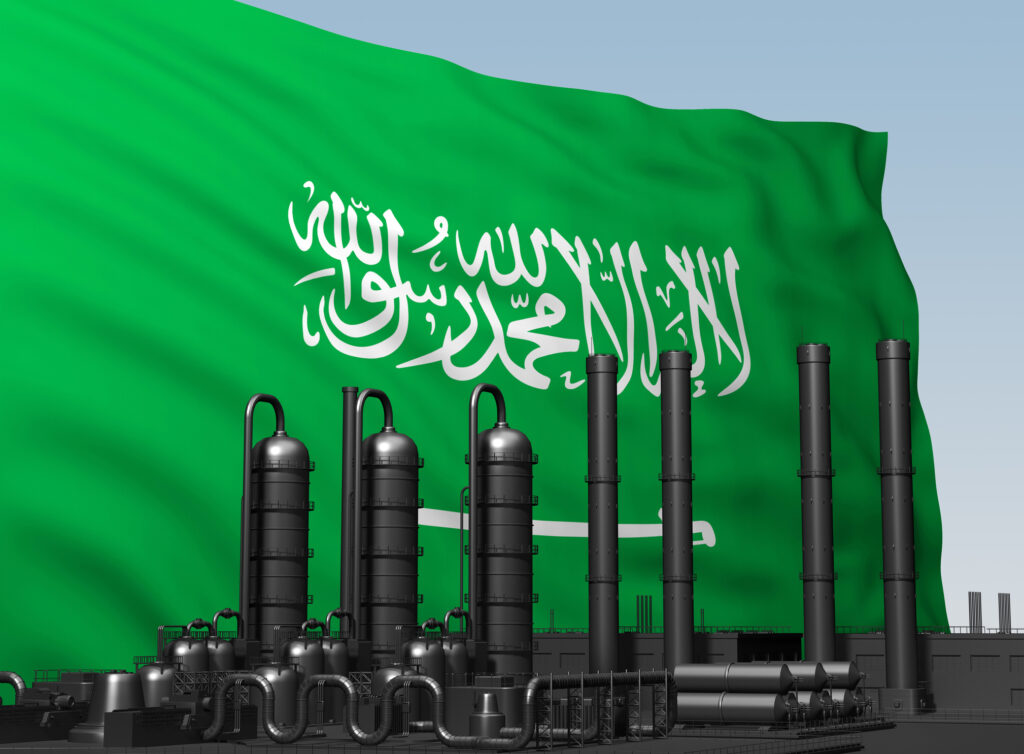
Saudi Output Hike Fuels Credibility Concerns
For two years, Saudi Arabia has been the bedrock of OPEC+ discipline, a consistent adherent to production quotas designed to stabilize global oil markets. This steadfast image, however, is now under significant scrutiny. The International Energy Agency (IEA) recently alleged that the Kingdom overshot its June production target by a substantial 700,000 barrels per day, reaching a two-year high of 9.8 million bpd. This revelation, if confirmed, isn’t just a minor deviation; it represents a significant shift that challenges the very credibility of OPEC+ output management and introduces fresh uncertainty for investors tracking crude price stability. The market, always sensitive to supply signals, is currently processing these implications, with Brent crude trading at $94.93 as of today, showing a modest daily gain but remaining well off its recent highs.
The Weight of 700,000 BPD: A Closer Look at Saudi’s Output
The IEA’s report paints a picture of Saudi Arabian crude production hitting levels unseen in two years, specifically citing 9.8 million bpd for June. Riyadh’s official stance attributes any increased movements to regional tensions and the logistical necessity of shifting barrels, rather than a deliberate quota breach. However, our internal proprietary data, alongside the IEA’s analysis, suggests a more tangible increase in supply. We observe a confluence of rising crude exports, heightened refinery activity, and an accumulation of domestic stockpiles – indicators that strongly point towards genuine production gains, not merely a reshuffling of existing volumes. This isn’t a marginal adjustment; a 700,000 bpd increase is a material addition to global supply, equivalent to a significant portion of a medium-sized oil producer’s daily output. While some of this might be justified by a seasonal domestic demand spike and robust exports to China, which saw Aramco ship 51 million barrels in August, such a substantial deviation warrants rigorous examination from an investment perspective.
Market Re-evaluation and Investor Questions
This apparent loosening of production discipline arrives at a fascinating juncture for crude markets. As of today, Brent crude trades at $94.93 per barrel, up 0.15% within a day range of $91-$96.89, while WTI sits at $91.39, up 0.12%, ranging between $86.96 and $93.3. This subtle daily uptick belies a recent softening trend; our proprietary data reveals Brent crude shed nearly 9% over the past fortnight, dropping from $102.22 on March 25th to $93.22 by April 14th. This decline suggests the market was already factoring in a loosening supply-demand balance or broader economic concerns. Against this backdrop, investors are keenly asking about the base-case Brent price forecast for the next quarter. The Saudi overproduction narrative introduces a bearish variable, potentially capping upside price movements that might otherwise materialize from geopolitical risks or robust demand. While the consensus 2026 Brent forecast still generally points towards a tighter market, this recent development adds a layer of uncertainty, challenging the assumption of unwavering supply discipline from key producers. Our analysis suggests that sustained, undeclared overproduction could put downward pressure on prices, particularly if global demand growth doesn’t accelerate significantly to absorb the extra barrels.
OPEC+ Transparency and the Looming Meetings
Beyond the immediate supply implications, the broader issue of transparency and credibility for OPEC+ looms large. The decision to bar five major Western media outlets – Bloomberg, Reuters, the New York Times, the Wall Street Journal, and the Financial Times – from the recent Vienna meeting has done little to assuage concerns. While the official reason for the exclusion remains unstated, the optics are undeniably poor, especially when some of these very outlets, notably Bloomberg, were quick to scrutinize the IEA’s Saudi production figures. This lack of transparency, coupled with an apparent deviation from agreed quotas, casts a shadow over the cartel’s ability to effectively manage global oil supply and maintain market confidence. With the critical OPEC+ Joint Ministerial Monitoring Committee (JMMC) meeting scheduled for April 18th, followed by the full Ministerial meeting on April 20th, all eyes will be on Vienna. These upcoming events are paramount. Investors will be seeking clarity on June’s production figures, any official acknowledgement or explanation from Saudi Arabia, and most importantly, the collective commitment to existing quotas. Any perceived weakness in resolving this issue could signal further fragmentation within the alliance, leading to greater volatility in crude markets.
Investment Outlook: Navigating Uncertainty in Oil Supply
For oil and gas investors, the Saudi production controversy and the associated transparency issues demand careful consideration. The market is increasingly sensitive to signals of supply discipline, and any erosion of trust in OPEC+’s ability to manage output could significantly alter price trajectories. Our proprietary reader intent data shows a strong interest in understanding Chinese ‘tea-pot’ refinery runs, a key indicator of demand, but this Saudi supply dynamic adds a more direct, immediate layer of influence on prices. If the upcoming OPEC+ meetings fail to provide a convincing explanation or a renewed commitment to compliance, we could see a more pronounced bearish sentiment emerge. Conversely, a strong reassertion of discipline could help stabilize prices, though the recent history might make investors more skeptical. The risk now is not just about the quantum of crude, but the reliability of the data and the commitment of key players. Investors should monitor the official OPEC production figures due out this Tuesday, as well as the rhetoric and outcomes from the JMMC and full Ministerial meetings next week. These events will be pivotal in shaping the near-term outlook for Brent and WTI, potentially validating or refuting the IEA’s claims and, more importantly, redefining the perceived stability of global oil supply management.