Saudi SATORP Outage Ignites Fresh Oil Supply Concerns
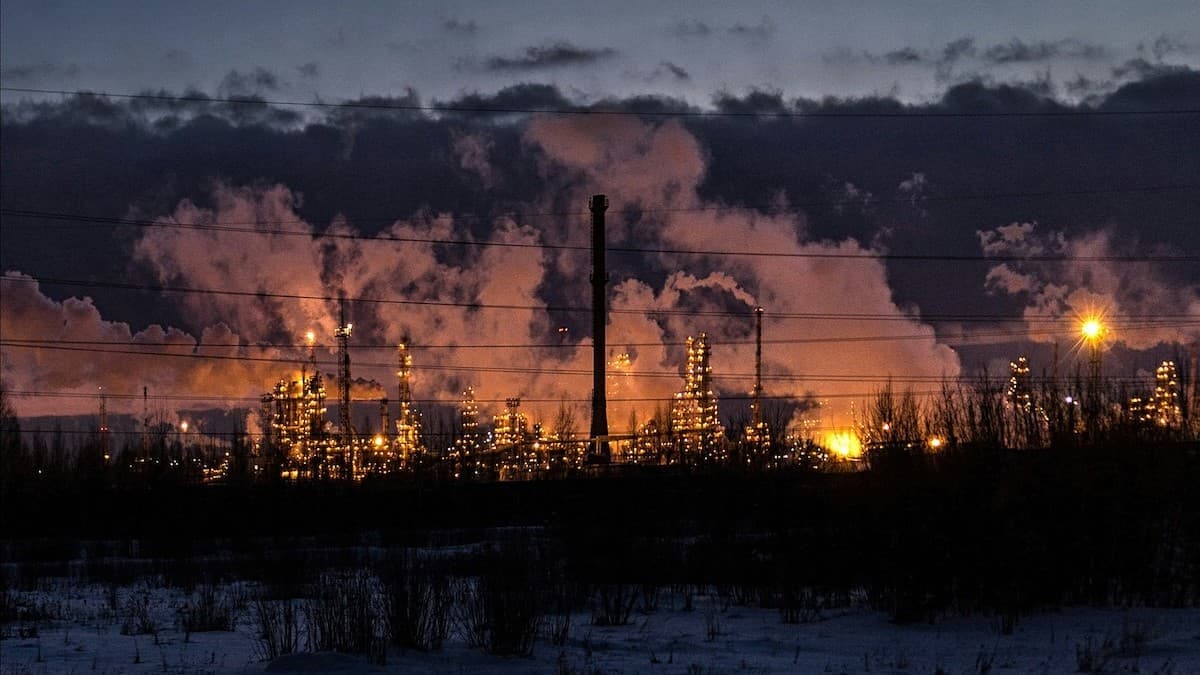
The global oil market is once again grappling with acute supply concerns following the partial shutdown of Saudi Arabia’s SATORP refinery. This significant facility, a joint venture between Saudi Aramco and TotalEnergies, experienced damage to one of its two processing units during incidents occurring on the night of April 7 to 8. While thankfully no casualties were reported, the precautionary shutdown of units at the Jubail site underscores a heightened risk to global refined product supply. This incident, part of a broader series of attacks on Saudi energy infrastructure, injects a fresh layer of geopolitical risk into an already taut market, sending clear signals to investors about potential price volatility and the imperative of understanding the evolving supply landscape.
SATORP’s Strategic Role and the Immediate Impact
The SATORP refinery represents a crucial pillar of Saudi Arabia’s refining capacity, boasting a total processing capability of 460,000 barrels per day (bpd). Its location in Jubail, a key industrial hub in the Eastern Province, makes it strategically vital for both domestic supply and international exports. The damage sustained by one of its processing trains immediately curtails a significant portion of this capacity, impacting the availability of refined products for global markets. Saudi Aramco holds a 62.5% stake in the venture, with French energy major TotalEnergies owning the remaining 37.5%. For investors, this incident not only highlights the vulnerability of critical infrastructure but also raises questions about the operational resilience and earnings outlook for companies with direct exposure to such assets, like TotalEnergies, whose operational update confirmed the shutdown and ongoing assessment of consequences.
Broader Geopolitical Headwinds and Supply Vulnerabilities
The SATORP outage is not an isolated event but rather the latest in a series of targeted attacks on Saudi Arabia’s expansive energy network. The official Saudi Press Agency confirmed late last week that numerous vital energy facilities, spanning oil and gas production, transportation, refining, petrochemicals, and even the electricity sector in regions like Riyadh, the Eastern Province, and Yanbu Industrial City, have been hit. Notably, pumping stations on the East-West Pipeline sustained attacks, leading to an estimated loss of approximately 700,000 bpd in crude throughput. This pipeline has served as Saudi Arabia’s primary conduit for crude exports since the Strait of Hormuz became a more constrained artery, effectively controlled by Iran. Beyond SATORP, other major refining operations, including Ras Tanura, SAMREF in Yanbu, and the Riyadh refinery, have also faced disruptions. This pattern of sustained attacks creates a tangible reduction in Saudi Arabia’s capacity to export both crude and refined fuels, a reality that persists even if transit through the Strait of Hormuz were to normalize. These escalating geopolitical risks fundamentally alter the global supply equation, forcing investors to re-evaluate potential for future disruptions.
Immediate Market Response and Shifting Investor Sentiment
The market’s reaction to these escalating supply concerns has been swift and decisive. As of today, Brent crude trades at $95.83 per barrel, marking a significant 6.03% increase from its previous close, with an intra-day range between $92.77 and $97.81. WTI crude similarly climbed to $87.94 per barrel, up 6.48% on the day, traversing a range of $85.45 to $89.60. Gasoline prices also reflected this upward pressure, reaching $3.06, a 4.44% jump from its opening. This sharp reversal in crude prices is particularly striking given the recent trend; Brent crude had experienced a notable decline of nearly 20% in the preceding two weeks, falling from $112.78 on March 30 to $90.38 by April 17. Today’s robust gains clearly indicate that while market sentiment can drive short-term dips, physical supply disruptions quickly reassert a bullish bias. Investors are keenly watching these directional shifts, with many asking whether WTI is going up or down. The immediate surge offers a clear, if immediate, answer, underscoring the market’s sensitivity to any perceived tightening of supply. This volatility highlights the challenges for investors attempting to predict the price of oil per barrel by the end of 2026, as geopolitical events continue to introduce significant uncertainty.
Navigating the Weeks Ahead: Key Dates for Oil Investors
With immediate supply concerns dominating headlines, investors must now pivot to upcoming catalysts that will shape the market’s medium-term trajectory. The OPEC+ Joint Ministerial Monitoring Committee (JMMC) meeting, scheduled for today, April 20, takes on heightened significance. Any commentary or signals regarding production policy, particularly from key members like Saudi Arabia, will be scrutinized for insights into how the alliance plans to address tightening supply. This will be followed closely by the full OPEC+ Ministerial Meeting on April 25, where concrete decisions on output quotas could be made. Further clarity on global supply-demand balances will come from the API Weekly Crude Inventory report on April 21 and the EIA Weekly Petroleum Status Report on April 22, both critical benchmarks for assessing U.S. inventory levels and broader market tightness. The Baker Hughes Rig Count reports on April 24 and May 1 will offer insights into North American drilling activity. These events, coupled with ongoing geopolitical developments, will be pivotal in determining whether the recent price surge can be sustained and what that means for broader energy sector performance. Investors are advised to monitor these dates closely, as they will provide crucial data points for assessing the market’s fundamental health and refining long-term price forecasts.
Investment Implications and Outlook
The confluence of the SATORP outage and the broader wave of attacks on Saudi energy infrastructure introduces a significant risk premium into oil prices. For investors, this environment suggests sustained volatility. Companies with direct exposure to refining operations or significant interests in the Middle East, such as TotalEnergies, will face increased scrutiny regarding operational risks and potential impacts on their quarterly results. The reduced export capacity for both crude and refined products from Saudi Arabia has global implications, potentially tightening markets for gasoline, diesel, and jet fuel. Given the ongoing geopolitical tensions and the demonstrated vulnerability of critical infrastructure, investors should anticipate that supply security will remain a paramount concern. While today’s price movements offer a strong signal, the coming weeks will reveal whether OPEC+ is willing or able to adjust production to offset disruptions, and how global inventories respond. The prevailing uncertainty underscores the need for a diversified approach within the energy sector, balancing exposure to upstream producers, refiners, and alternative energy sources, as the long-term outlook for oil remains deeply intertwined with geopolitical stability and effective supply management.


