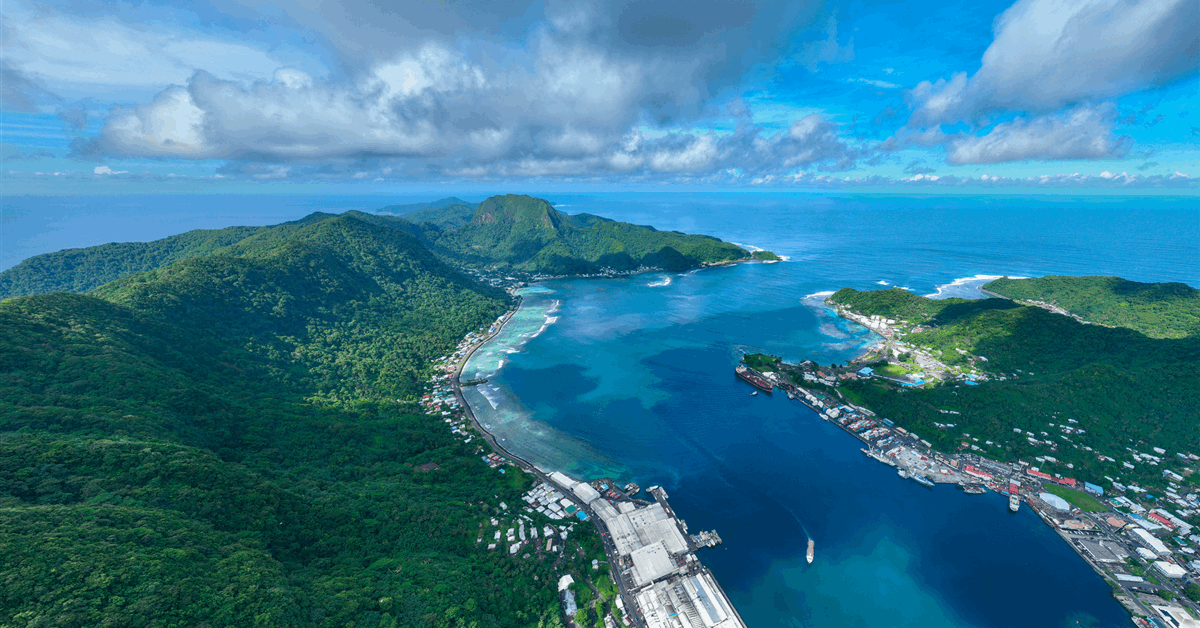
The United States government is actively paving the way for the auction of deep-sea mineral extraction concessions in the waters surrounding American Samoa. This strategic pivot comes amid an accelerating global demand for vital raw materials, indispensable for the production of electric vehicle power cells, advanced consumer electronics, and a myriad of other cutting-edge technologies. For investors tracking the energy transition and resource security, this development signals a significant expansion of the U.S. resource frontier, potentially unlocking a new vein of critical mineral supply.
A New Offshore Resource Frontier Emerges
On Tuesday, the Department of the Interior announced its intention to solicit public feedback and assess commercial enterprise interest regarding potential exploratory activities in this South Pacific region. This constitutes the crucial initial phase preceding any potential issuance of mineral extraction leases within the federal waters adjacent to the U.S. territory. This initiative directly responds to a formal request for a lease auction submitted by Impossible Metals, a U.S.-headquartered firm. Furthermore, it gains momentum just weeks after President Donald Trump issued an executive order specifically designed to fast-track offshore mineral development and unlock novel avenues for securing essential resources from the seabed.
Interior Secretary Doug Burgum underscored the national imperative, stating in a recent release, “Essential minerals form the bedrock of our nation’s resilience and are paramount to protecting our strategic interests. Cultivating avenues for the responsible procurement of deep-sea mineral assets simultaneously bolsters American economic expansion and fortifies national security.” This declaration highlights the dual drivers of economic growth and national security underpinning this move, themes that resonate deeply with strategic investors in the resource sector.
Geopolitical Drivers and Investment Implications
A palpable urgency is building within Washington policy circles to cultivate indigenous sources of critical minerals, particularly in the wake of China’s recent restrictions on rare-earth material exports. This geopolitical backdrop creates a compelling investment thesis for companies positioned to capitalize on domestic mineral extraction. The strategic importance of these materials—cobalt, nickel, manganese, and rare earths—cannot be overstated, as they are central to the global energy transition and high-tech manufacturing sectors. Dependence on foreign supply chains, especially from geopolitical rivals, presents a significant vulnerability that the U.S. aims to mitigate through initiatives like deep-sea mining.
For resource investors, this shift presents both opportunities and challenges. While the potential for new, high-value mineral reserves is tantalizing, the nascent nature of deep-sea mining, coupled with environmental considerations and technological hurdles, suggests a long-term investment horizon. Companies with robust capital structures, advanced subsea exploration technology, and a proven track record in complex offshore operations may find themselves uniquely positioned to lead in this emerging sector. The convergence of national security interests and technological demand is a powerful catalyst for capital deployment into this new resource domain.
Navigating Regulatory and Environmental Headwinds
The Interior Department’s Bureau of Ocean Energy Management (BOEM) possesses extensive experience in managing offshore resource allocation, regularly facilitating lease sales for hydrocarbon exploration and production across the U.S. Outer Continental Shelf. The agency has also been instrumental in advancing the nation’s renewable energy agenda through the leasing of offshore areas for wind power generation. Nevertheless, this current undertaking to assess the viability of a mineral lease offering in federal waters represents a groundbreaking policy shift, marking the first such initiative in over three decades, according to the Interior Department.
This historical context underscores the significance of the American Samoa initiative, placing it at the forefront of a potential new era for U.S. resource extraction. However, the path forward is not without its complexities. While the Department of the Interior refrained from specifying a definitive timeline for any prospective sale, it affirmed a commitment to thorough stakeholder consultation. This process will incorporate perspectives from indigenous island populations, various ocean user groups, the industrial sector, and other relevant parties. Furthermore, the BOEM is tasked with conducting comprehensive evaluations of the region’s geological characteristics, alongside a detailed assessment of potential environmental and cultural repercussions stemming from deep-sea extraction activities.
Environmental groups have already voiced significant opposition, cautioning that deep-sea mining activities could severely imperil marine biodiversity and fragile ocean ecosystems. These concerns will undoubtedly play a critical role in shaping the regulatory framework and public perception of deep-sea mining projects. Investors will need to closely monitor the evolving environmental governance landscape, as stringent regulations and robust mitigation strategies will be essential for the long-term viability and social license of such operations. The balance between extracting critical minerals for national strategic goals and preserving delicate marine environments will be a defining feature of this new industry.
Outlook for Strategic Resource Investment
The potential opening of American Samoa’s federal waters for deep-sea mineral exploration represents a pivotal moment for the U.S. resource sector. It signifies a proactive approach to securing critical mineral supply chains, vital for both national security and the burgeoning green economy. For investors with an eye on long-term trends in energy transition, strategic materials, and geopolitical risk mitigation, this development warrants close attention. The successful navigation of environmental concerns, technological advancements in deep-sea extraction, and a transparent regulatory framework will be key determinants of the economic viability and investment appeal of this nascent industry. As the U.S. seeks to diversify its resource portfolio, American Samoa could emerge as a crucial new hub for essential raw materials, reshaping global commodity markets and offering novel opportunities for capital growth in the coming decades.