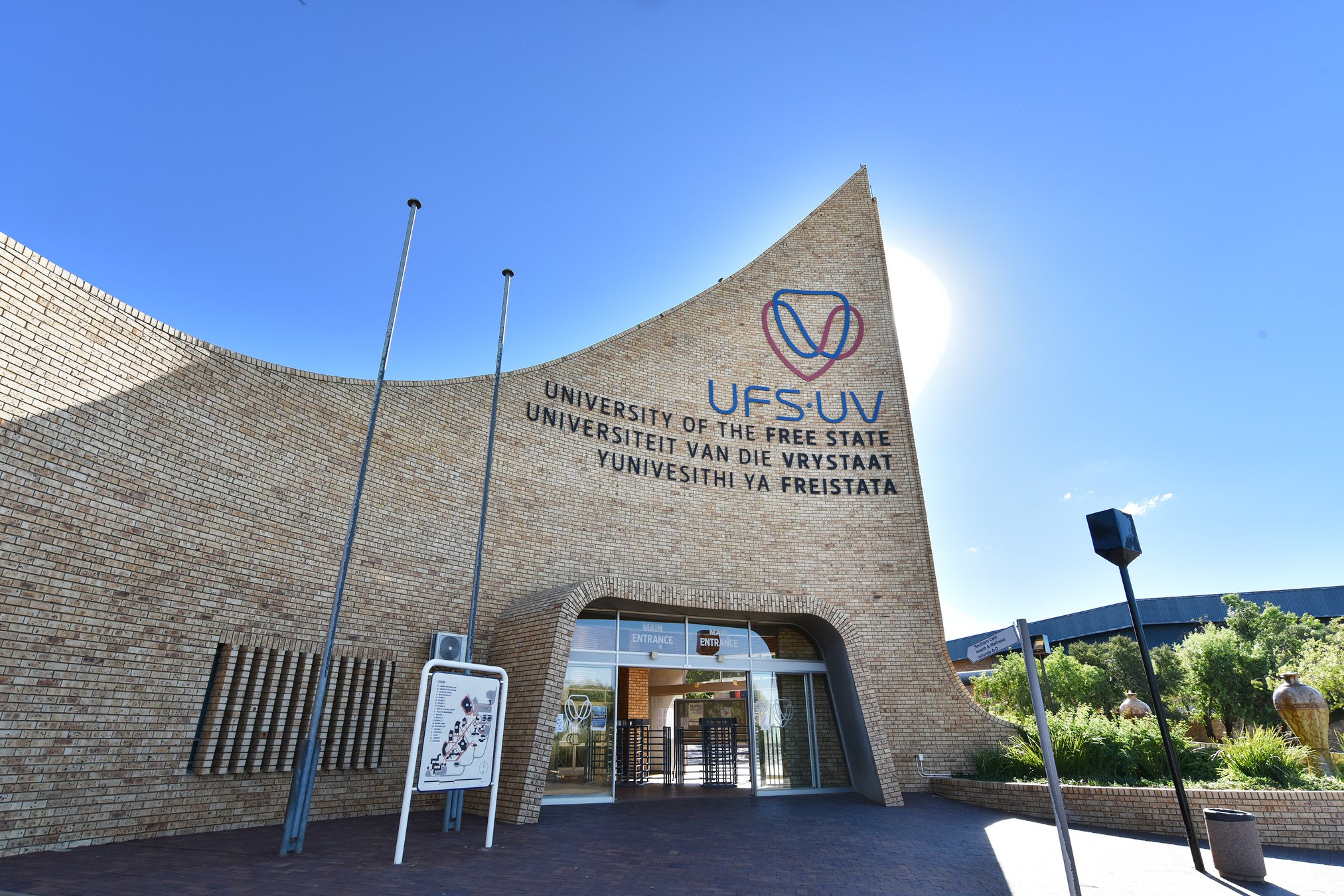
The global energy landscape is undergoing a profound transformation, with increasing focus on decarbonization and sustainable practices. While traditional oil and gas markets remain central, the burgeoning carbon credit market represents a critical component of the broader energy transition, offering both mitigation pathways and new investment opportunities. A recent collaboration in South Africa between the University of Free State (UFS) and Sayari Earth marks a significant stride in addressing one of the most persistent challenges facing the voluntary carbon market: the accurate, cost-effective, and verifiable measurement, reporting, and verification (MRV) of soil carbon sequestration. This initiative is poised to enhance the credibility and liquidity of soil carbon credits, potentially unlocking substantial investment in nature-based climate solutions and offering a strategic diversification for energy-focused portfolios.
The Imperative for Robust Carbon Credit Verification Amidst Volatile Energy Markets
In a period characterized by persistent volatility in global energy prices, the stability and integrity of alternative investment vehicles like carbon credits become increasingly attractive. As of today, Brent crude trades at $98.38, reflecting a 1.02% decline, with its daily range spanning $98.11 to $98.38. Similarly, WTI crude stands at $89.96, down 1.33% today, moving between $89.57 and $90.09. This current pricing represents a notable shift from the $108.01 seen for Brent just three weeks ago on March 26th, marking a significant 12.4% drop over that period. Such fluctuations underscore the inherent risks in a purely fossil-fuel-centric portfolio. Against this backdrop, investments in verifiable carbon sequestration projects offer a compelling hedge and an avenue for ESG-aligned capital deployment. The UFS-Sayari Earth partnership directly addresses a core weakness in the carbon market – the lack of reliable MRV – which has historically hindered investor confidence and limited market depth. By establishing robust, region-specific models, this initiative aims to de-risk investments in soil carbon, making these credits a more dependable asset in an otherwise unpredictable energy market.
Addressing the Verification Gap: South Africa’s Leap in Soil Carbon MRV
The potential for soil to act as a massive carbon sink is undeniable, with global soils holding over 2,500 gigatons of carbon, a quantity more than three times that currently in the atmosphere. In South Africa specifically, vast grasslands and rangelands, covering more than 65% of agricultural land, possess an impressive capacity to store up to 150 tons of carbon per hectare. However, realizing this potential has been severely hampered by the prohibitive costs and high uncertainties associated with current measurement methodologies. Traditional on-the-ground sampling can cost anywhere from $3 to $10 per hectare, and in under-researched regions like sub-Saharan Africa, error margins can soar as high as 40%. This lack of precision and affordability has created a significant barrier for landowners and investors alike, undermining the credibility of carbon credits generated from these landscapes.
The collaboration between UFS and Sayari Earth is a direct response to these critical challenges. By integrating UFS’s extensive field research and carbon flux studies with Sayari Earth’s advanced digital observation platform and remote sensing datasets, the partnership is set to develop sophisticated, tailored models for South Africa’s unique ecosystems. This synergy will not only reduce the cost and improve the accuracy of soil carbon MRV but also foster a new generation of researchers through expanded post-doctoral opportunities and hands-on training. The ultimate goal is to create a stronger, scientifically-backed evidence base for soil carbon sequestration, which is essential for attracting institutional investment and positioning South Africa as a frontrunner in climate-smart land management and carbon removal solutions.
Investor Focus: Demystifying Carbon Market Data and Future Catalysts
Our proprietary reader intent data reveals a consistent theme among investors this week: a keen interest in the underlying data infrastructure of energy markets, particularly around “what data sources does EnerGPT use?” and “what APIs or feeds power your market data?” This highlights a fundamental demand for transparency, reliability, and accuracy in market intelligence. The UFS-Sayari Earth partnership directly addresses this investor concern by focusing on building a robust, verifiable data foundation for soil carbon credits. By enhancing the scientific rigor and digital monitoring capabilities, this initiative contributes to the very data integrity that investors are seeking, making it easier to trust and value carbon assets.
Looking ahead, the next two weeks hold several key energy events that, while primarily focused on crude oil, will indirectly influence the broader investment climate for carbon markets. The upcoming OPEC+ Joint Ministerial Monitoring Committee (JMMC) meeting on April 18th, followed by the Full Ministerial meeting on April 20th, will provide crucial signals regarding global supply policy. Concurrently, the API Weekly Crude Inventory reports on April 21st and 28th, alongside the EIA Weekly Petroleum Status Reports on April 22nd and 29th, will offer snapshots of demand and inventory levels. While these events directly impact oil prices, a volatile crude market often prompts investors to diversify into less correlated assets. Improved MRV for soil carbon credits provides the necessary confidence for capital to flow into these nature-based solutions. As the global push for decarbonization intensifies and regulatory frameworks for carbon markets mature, the enhanced transparency and reliability offered by initiatives like the UFS-Sayari Earth partnership will serve as significant catalysts, potentially driving increased trading volumes and higher valuations for carbon credits. This progress helps answer the underlying investor question of “why should I use EnerGPT?” by providing the trustworthy data that powers sophisticated analytical tools and informed investment decisions.
South Africa’s Strategic Positioning in the Global Carbon Sequestration Race
The ambition of this collaboration extends beyond scientific advancement; it aims to strategically position South Africa’s rangelands as a global leader in climate-smart land management. This is not merely an environmental goal but a significant economic opportunity. By developing reliable and affordable MRV models, South Africa can unlock the immense potential of its agricultural land to generate high-integrity carbon credits. This framework can then be scaled across other sub-Saharan African nations and globally, establishing a blueprint for effective soil carbon sequestration projects in diverse ecosystems. For investors, this creates opportunities in several sectors: companies involved in land management and restoration, agricultural technology firms providing remote sensing and digital platforms, and developers of carbon projects seeking to leverage verifiable offsets. The initiative aligns perfectly with the growing global focus on ESG (Environmental, Social, and Governance) investing, offering a tangible pathway for capital to contribute to climate change mitigation while generating measurable returns. As the world increasingly seeks scalable, verifiable carbon removal solutions, South Africa’s pioneering work in soil carbon science positions it at the forefront, attracting a new wave of investment into sustainable land use and climate resilience.


