The global energy investment landscape is undergoing a profound transformation, driven by escalating demands for transparency and accountability in sustainability performance. South Korea, a significant player in the Asian economy with a robust industrial sector, is now poised to implement mandatory climate-related disclosures for its largest KOSPI-listed companies. This move, aligning with global International Sustainability Standards Board (ISSB) frameworks, marks a critical inflection point for investors evaluating Korean assets, particularly those in energy-intensive industries. As capital markets increasingly price in environmental, social, and governance (ESG) factors, understanding the nuances of these upcoming regulations is paramount for strategic portfolio positioning.
Korea’s New Disclosure Mandate: A Deeper Look
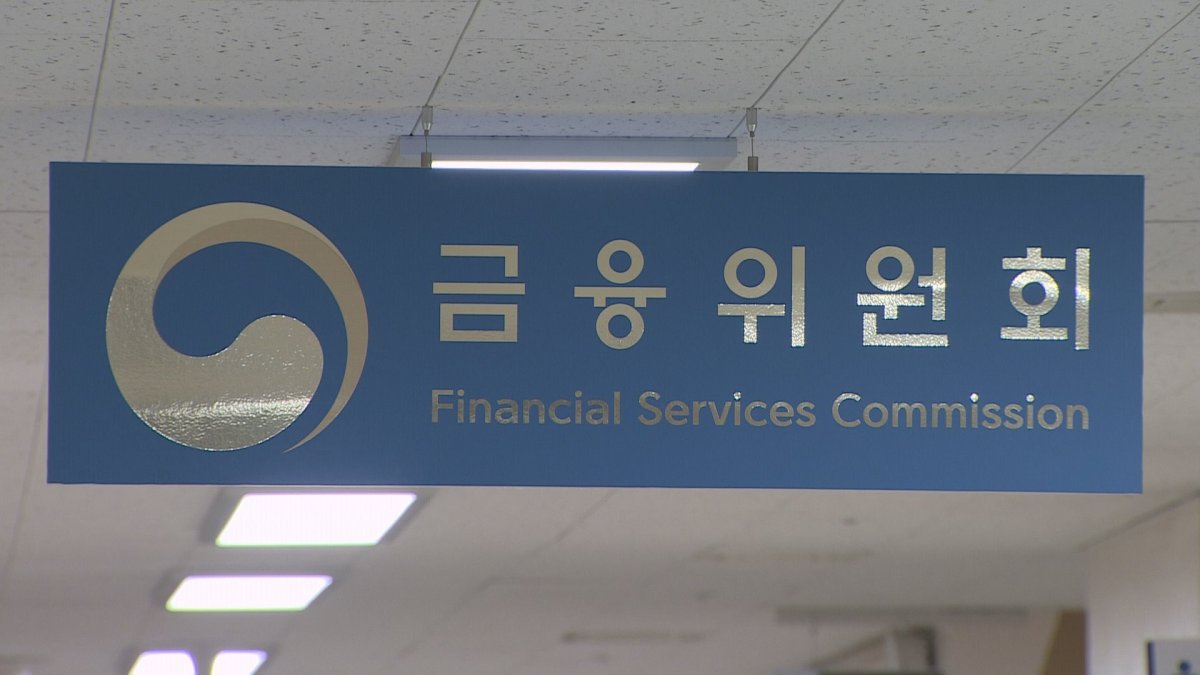
South Korea’s Financial Services Commission (FSC) has outlined a clear roadmap for mandatory sustainability reporting, signaling a firm commitment to global disclosure standards. Under the proposed framework, KOSPI-listed firms boasting consolidated assets exceeding KRW 30 trillion (approximately $20.4 billion) will be the first to face these requirements, commencing with fiscal year 2027 data, with disclosures due in 2028. This phased implementation reflects a pragmatic approach, with reporting obligations expanding to companies with assets over KRW 10 trillion ($6.8 billion) a year later, and potentially to smaller entities as the reporting infrastructure matures.
The core of these new rules lies in the Korean Sustainability Standards Board (KSSB) 1 and KSSB 2, which closely mirror the ISSB’s IFRS S1 (General Requirements for Sustainability-related Financial Disclosures) and IFRS S2 (Climate-related Disclosures). This alignment is crucial, as it places South Korea among a growing cohort of major economies standardizing ESG reporting, enhancing comparability and reducing fragmentation for international investors. The FSC is actively seeking market feedback, with a final roadmap expected by April 2026, giving firms a definitive timeline to prepare for these significant operational and reporting shifts.
Market Volatility and the Rising Importance of ESG Benchmarks
The introduction of these stringent disclosure requirements comes against a backdrop of significant volatility in global energy markets. As of today, Brent Crude trades at $90.38, a notable swing from its position just two weeks ago, when it was over $112. This substantial decline of nearly 20% in Brent prices over the last 14 days underscores the inherent unpredictability of the oil market, a factor that amplifies the importance of robust ESG performance for long-term value creation. Such price fluctuations naturally lead investors to question the direction of benchmarks like WTI crude, seeking stability and predictable returns amidst uncertainty.
In this environment, investors are increasingly looking beyond traditional financial metrics, placing greater emphasis on a company’s resilience, sustainability practices, and exposure to climate-related risks and opportunities. The mandatory disclosures will provide a standardized lens through which to assess these factors, allowing for more informed capital allocation decisions. For Korean energy companies, this means that their ability to effectively manage and report on climate risks will directly influence their cost of capital and investor appeal. The market’s current cautious sentiment, reflected in the recent price drop, reinforces the need for transparent, verifiable sustainability data to de-risk investments.
Navigating Operational Challenges and Scope 3 Emissions
While the intent behind these disclosures is clear, the practical implementation presents considerable operational challenges for companies. Collecting, verifying, and reporting comprehensive sustainability data, especially across complex value chains, requires significant investment in systems, processes, and expertise. Regulators acknowledge this by delaying mandatory Scope 3 emissions disclosure until 2030, granting companies vital time to construct the necessary infrastructure for value chain reporting. This phased approach recognizes the immense difficulty associated with tracking indirect emissions from suppliers and customers, which for many oil and gas-related entities, constitute the vast majority of their carbon footprint.
This delay, however, should not be interpreted as a reprieve. Savvy investors are already looking ahead to 2030, understanding that companies failing to prepare for Scope 3 reporting will face a steep uphill battle. The questions our readers are asking about the long-term price of oil by the end of 2026 and beyond are intrinsically linked to these evolving regulatory landscapes. Companies that proactively invest in robust data collection and carbon management strategies now will be better positioned to demonstrate their commitment to decarbonization, potentially attracting more sustainable capital flows and enhancing their competitive edge in a future where Scope 3 is a non-negotiable metric.
Strategic Implications and Upcoming Market Catalysts
For energy investors, South Korea’s new disclosure requirements add another layer of complexity and opportunity to portfolio management. Companies with strong existing ESG frameworks and a clear decarbonization strategy are likely to be rewarded, while laggards could face increased scrutiny and potentially higher capital costs. This will undoubtedly influence capital allocation within the Korean market, potentially steering funds towards companies demonstrating leadership in sustainability reporting and performance.
Looking ahead, the energy market is bracing for several key events that could further shape investor sentiment and strategic responses to these disclosures. The upcoming OPEC+ Joint Ministerial Monitoring Committee (JMMC) Meeting on April 20th, swiftly followed by the full OPEC+ Ministerial Meeting on April 25th, will be critical. Any decisions regarding production levels could significantly impact global oil supply and price trajectories. For Korean firms, particularly those involved in refining, petrochemicals, or upstream activities, these OPEC+ outcomes will directly influence their operational economics and, consequently, the financial impact of their climate-related risks and opportunities. As API and EIA weekly inventory reports continue to provide crucial supply/demand signals, the confluence of market fundamentals and enhanced ESG transparency will redefine how energy investments are evaluated in Korea and across Asia.


