India’s Russian Oil Dilemma: Tanker Congestion Signals Market Shifts
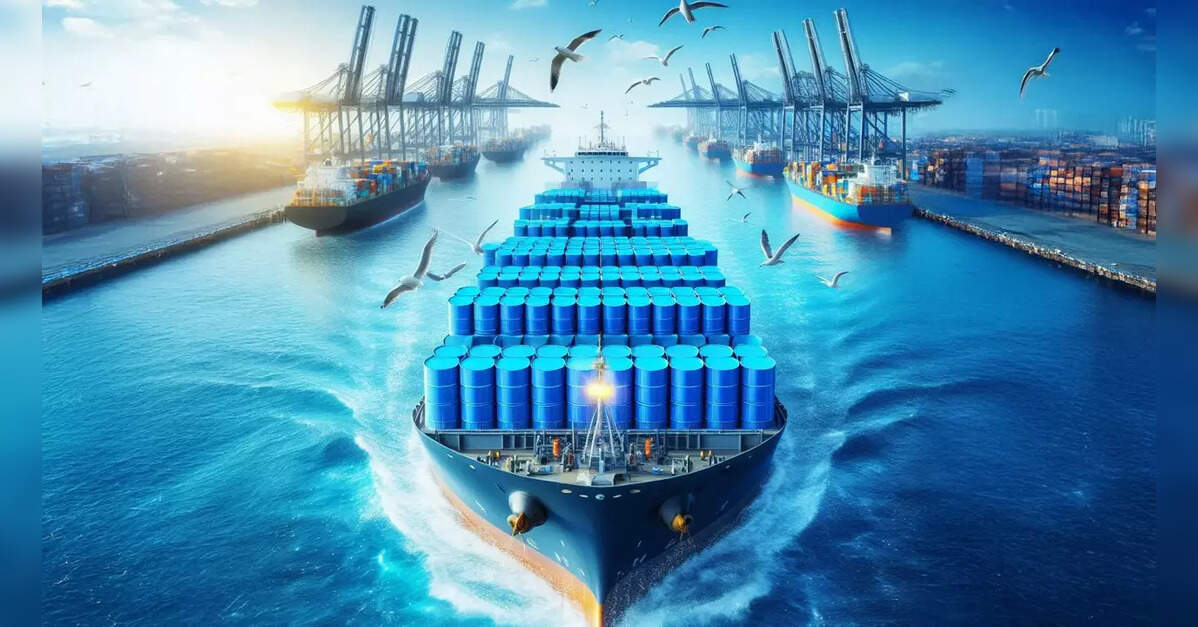
A growing fleet of Russian crude oil tankers currently idles off India’s western coastline, signaling intensifying geopolitical pressures that are forcing Indian refiners to re-evaluate their sourcing strategies. This developing situation highlights the delicate balance India navigates between securing discounted energy supplies and managing international diplomatic relations, with significant implications for global energy markets and investor sentiment.
The Bottleneck Unfurls Offshore
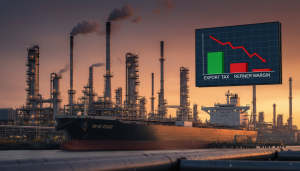
At least four crude oil tankers, laden with Russian Urals crude, are presently anchored or moving sluggishly near India’s western coast. Ship-tracking data reveals that the Aframax vessels *Achilles* and *Elyte*, each capable of carrying approximately 700,000 barrels of oil, are positioned close to Jamnagar. These tankers were initially scheduled to discharge their cargoes at Sikka between August 2nd and 3rd, having loaded their consignments in late June from key Russian export hubs, Primorsk and Ust Luga. Notably, both the *Achilles* and *Elyte* are subject to sanctions imposed by the European Union and the United Kingdom, adding layers of complexity to their operations.
Further out at sea, two additional Aframax tankers, the *Destan* and *Horae*, also carry Urals crude, having loaded their payloads between June 24th and July 1st. The *Destan*, also sanctioned by the EU and UK, anticipates reaching Sikka in the coming days. The *Horae*, however, presents a distinct puzzle: it is not listed under sanctions by the EU, UK, or US, yet its ultimate destination remains ambiguous, and its route could still shift. This uncertainty underscores the fluid and unpredictable nature of Russian oil shipments in the current environment. Sikka port is a critical energy hub, serving major players like Reliance Industries Ltd. and Bharat Petroleum Corp. Ltd., both of whom have not yet commented on the unfolding situation.
Geopolitical Tides and Market Pressure Intensify
India’s reliance on Russian crude has surged significantly since 2022, with over a third of its total oil imports now originating from Russia. This substantial dependency has drawn considerable international scrutiny, particularly following a fresh round of EU sanctions implemented in mid-July. Diplomatic pressure from the United States and European Union has steadily mounted, aiming to curtail revenue streams for Russia.
Recent statements from Washington have underscored these concerns, with the Trump administration specifically highlighting India’s substantial oil imports from Russia as grounds for potential tariffs and a threat of further unspecified punitive measures. In response to this escalating international pressure, New Delhi has proactively instructed its refiners to formulate and present comprehensive plans for diversifying their crude oil sourcing, exploring alternatives beyond Russia. This directive signals a potential shift in India’s energy procurement strategy, driven by a complex interplay of economic interests and geopolitical realities.
Implications for Indian Refiners and Global Flows
The current standoff creates immediate operational challenges for Indian refiners like Reliance Industries and Bharat Petroleum. The delay in discharging Russian crude not only incurs demurrage costs but also disrupts intricate refining schedules and supply chain management. Should these backlogs persist or intensify, refiners may face increased working capital requirements and potential bottlenecks in their processing capabilities.
Beyond the immediate logistical hurdles, the broader directive from New Delhi to seek alternative crude sources carries profound implications. It could necessitate renegotiating supply contracts with Middle Eastern, African, or Latin American producers, potentially at less favorable terms if demand from India suddenly surges. Furthermore, the complexities introduced by sanctions – even for vessels not directly targeted but operating within a broader risk-averse environment – could lead to higher insurance premiums and shipping costs for all Russian crude, regardless of destination. This would inevitably affect the landed cost of crude for Indian refiners, potentially squeezing their margins or leading to higher domestic fuel prices.
For investors, this situation highlights the heightened volatility and geopolitical risk embedded within global energy markets. The uncertainty surrounding India’s future purchasing patterns could impact Urals crude pricing and, by extension, influence broader crude benchmarks like Brent and WTI. Shipping companies involved in the tanker trade also face fluctuating demand and unpredictable route changes.
Investor Outlook: Navigating Uncertainty in Energy Markets
The evolving scenario off India’s coast serves as a powerful reminder of the intricate linkages between geopolitics, trade, and energy security. For investors in the oil and gas sector, several key areas warrant close monitoring:
* **Indian Refiner Strategy:** Observe how Reliance, BPCL, and other Indian refiners adapt their sourcing portfolios. Any definitive shift away from Russian crude would signal a significant recalibration of global oil trade flows.
* **Sanctions Enforcement and Evasion:** The ongoing dance between sanctions regimes and efforts to circumvent them will continue to shape shipping routes, pricing, and the availability of specific crude grades. The status of unsanctioned vessels like the *Horae* and their ultimate destinations will be indicative of broader market dynamics.
* **Geopolitical Developments:** The diplomatic dialogue between India, the US, and the EU remains crucial. Any escalation or de-escalation of pressure could dramatically alter India’s energy import landscape.
* **Global Oil Supply and Demand:** A significant reduction in Indian demand for Russian crude could redirect those volumes to other markets, potentially impacting global supply balances and price stability. Conversely, if India finds viable alternative sources, it could reduce its vulnerability to geopolitical pressures.
The current congestion of Russian oil tankers off India’s coast is more than a logistical snarl; it is a clear manifestation of the profound shifts occurring in global energy geopolitics. Investors must remain agile, carefully assessing these developments for their potential impact on energy prices, refining margins, shipping sector performance, and the overarching stability of the international oil market.