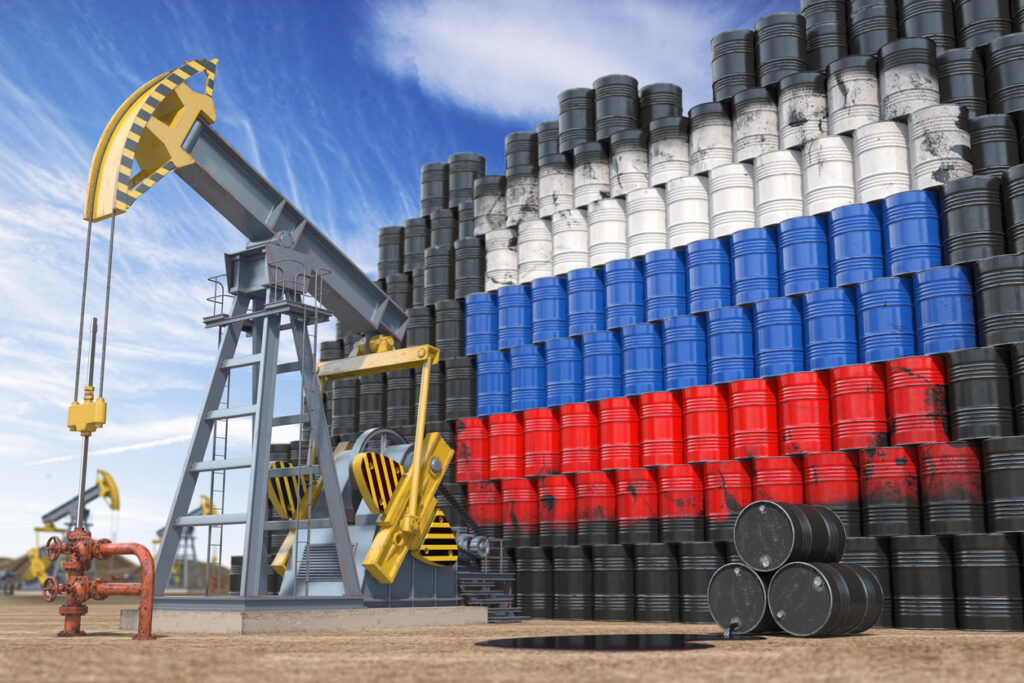
The global oil market is once again grappling with significant volatility, prompting a renewed call for collaborative action among the world’s leading energy powers. Amidst escalating geopolitical tensions and shifting supply-demand dynamics, a senior representative of Russia’s sovereign wealth fund has articulated a vision for market stability, suggesting a potential trilateral alliance involving Moscow, Riyadh, and Washington. This proposition harks back to the unprecedented intervention witnessed in 2020, where a concerted effort between then-leaders helped avert a deeper market collapse. As investors navigate the current landscape, understanding the feasibility and implications of such an alliance becomes paramount, especially given the recent price swings and the critical events scheduled on the near-term energy calendar.
The Echo of 2020: A Call for Coordinated Market Stabilization
The idea of a coordinated effort to stabilize oil markets draws directly from a recent historical precedent. In 2020, facing an unprecedented demand shock from the nascent COVID-19 pandemic, a significant intervention by key global leaders, including Russia’s President, the then-U.S. President, and Saudi Arabia’s Crown Prince, proved instrumental. Their engagement facilitated a substantial production cut across the OPEC+ alliance, effectively pulling the market back from the brink, where WTI crude futures famously dipped into negative territory. Today, the chief executive of Russia’s direct investment fund notes that while specific joint actions are not yet on the table, the possibility of such collaboration remains, echoing the sentiment that major players could again step in if market conditions necessitate. This perspective emerges as the market grapples with a fresh wave of uncertainty, ranging from trade policy announcements to escalating geopolitical flashpoints in critical oil-producing regions.
Brent’s Recent Trajectory and the Geopolitical Premium
The imperative for market stability is underscored by recent price action. As of today, Brent Crude is trading at $94.94 per barrel, reflecting a modest gain of 0.16% within a daily range of $91 to $96.89. However, this immediate stability masks a period of significant fluctuation. Our proprietary market data reveals that Brent had seen a notable retreat in the two weeks leading up to April 14th, dropping from $102.22 to $93.22, a decline of nearly 9%. This initial downturn in early April was largely influenced by concerns over broad “retaliatory tariffs” announced by a prominent global leader, which fueled fears of a slowdown in the global economy and its subsequent impact on oil demand. Simultaneously, the OPEC+ group’s announcement of a plan to unwind some of its ongoing output cuts by increasing production added further downward pressure. More recently, however, escalating tensions in the Middle East, particularly coordinated attacks on critical sites and retaliatory actions, have introduced a significant geopolitical risk premium, creating conditions for potential oil price rises, as articulated by the Russian sovereign wealth fund chief. The extent of any such rise will inherently depend on the evolving dynamics of these regional events and their potential to disrupt crude exports.
Investor Focus: Navigating Price Forecasts Amidst Uncertainty
In this environment of heightened volatility and geopolitical risk, investors are keenly focused on understanding future price trajectories. Our proprietary reader intent data reveals a strong demand for forward-looking analysis, with frequent queries for base-case Brent price forecasts for the next quarter and consensus 2026 outlooks. This directly reflects the market’s need for clarity and stability, the very conditions that a potential trilateral alliance aims to address. The proposition of such an alliance, involving three of the world’s most influential oil powers, resonates deeply with investor concerns about managing exposure to unpredictable market swings. While the immediate focus remains on short-term price movements influenced by geopolitical headlines, the broader investor community is clearly seeking anchors for longer-term planning, making any dialogue around global market stabilization a critical point of interest. The complexity of forecasting is amplified by the diverse factors at play, from economic policy shifts to the unpredictable nature of regional conflicts, underscoring the value of any mechanism designed to temper extreme volatility.
Upcoming Catalysts: OPEC+ Meetings and Inventory Data
The near-term outlook for oil markets will be significantly shaped by a series of critical events on the energy calendar, offering potential catalysts for price movements and further insights into global supply-demand balances. Investors should mark their calendars for the upcoming OPEC+ Joint Ministerial Monitoring Committee (JMMC) meeting on April 18th, followed swiftly by the Full Ministerial OPEC+ Meeting on April 20th. These gatherings will provide the first formal opportunity for the alliance to assess the current market conditions in light of recent geopolitical developments and the previously announced plans to increase production. The Russian proposal for a broader trilateral alliance could certainly influence discussions, as member nations weigh the benefits of deeper collaboration versus managing their individual production strategies. Beyond these crucial policy meetings, routine data releases will continue to offer granular market insights. The Baker Hughes Rig Count on April 17th and April 24th will provide a snapshot of North American drilling activity, while the API Weekly Crude Inventory (April 21st, April 28th) and the EIA Weekly Petroleum Status Report (April 22nd, April 29th) will offer crucial updates on U.S. crude stocks, refinery runs, and product demand. These reports, taken together, will provide a clearer picture of immediate supply-demand dynamics, influencing short-term price action and informing the market’s perception of global equilibrium.
The Path Forward: Navigating a Complex Stability Equation
The call for a trilateral alliance between Russia, Saudi Arabia, and the United States, while conceptually appealing for market stability, faces a complex web of geopolitical and economic realities. The 2020 intervention occurred under unique circumstances, driven by an unprecedented global demand destruction event and a different U.S. administration. Replicating such an alliance today would require navigating diverse national interests, varying energy policies, and a more fractured geopolitical landscape. Saudi Arabia and Russia, as key architects of OPEC+, share a vested interest in managing supply to optimize revenue, while the U.S. traditionally champions market-driven outcomes, though its strategic petroleum reserve policies and diplomatic interventions can influence supply. Investors evaluating this proposition must consider the political will and the specific triggers that would necessitate such an extraordinary level of cooperation. While the suggestion underscores the severity of current market uncertainties, the path to a renewed trilateral pact for oil price stability remains fraught with challenges, demanding careful observation of diplomatic signals and concrete policy shifts from all parties involved.