Escalating Risk: A Shadow Looms Over Russia’s Energy Elite
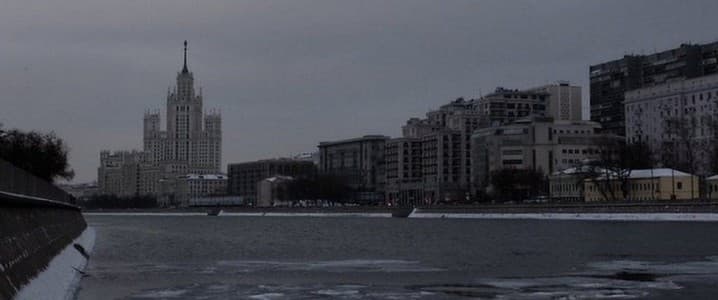
The sudden and deeply unsettling death of Andrey Badalov, a 62-year-old vice president at the state-owned pipeline behemoth Transneft, has cast a long shadow over Russia’s critical energy sector. Discovered beneath an elite Moscow apartment complex on Rublyovo-Uspenskoye Highway, Badalov’s demise, officially attributed to suicide with a note, is far from an isolated incident. Instead, it represents the latest chilling entry in a disturbing pattern of unusual fatalities among senior Russian energy figures since the invasion of Ukraine commenced. For investors tracking global oil and gas markets, this trend signals a profound and escalating risk that demands close scrutiny.
The Troubling Pattern of Executive Demises
Badalov’s passing marks at least the twelfth suspicious death involving prominent energy executives since early 2022. The consistency of these incidents is alarming: many involve falls from significant heights, are swiftly labeled as suicides, and are followed by remarkably opaque investigations. This recurring narrative, despite official pronouncements, fuels widespread skepticism among Kremlin critics and Western analysts alike, who point to a pattern too consistent to dismiss as mere coincidence.
Consider the high-profile case of Ravil Maganov, the then-chairman of Lukoil, Russia’s second-largest oil producer. In September 2022, Maganov reportedly plunged from a hospital window. While authorities suggested he fell during an illness, the lack of readily available CCTV footage and the rapid conclusion of the investigation raised immediate red flags. Maganov had previously been one of the few Russian business leaders to publicly call for an end to the conflict in Ukraine, adding another layer of intrigue to his untimely end.
Another Lukoil board member, Alexander Subbotin, also met a bizarre fate in May 2022. His death was reportedly linked to a “toad-venom shaman session” – a narrative so unusual that many analysts view it as a thinly veiled attempt to obscure the true circumstances. Beyond Lukoil, several top executives from the gas giant Gazprom have reportedly died under equally strange conditions, with incidents ranging from falls to alleged garroting or hanging. These repeated, unexplained deaths across key state-affiliated energy enterprises underscore a profound instability within Moscow’s economic bedrock.
Geopolitical Tensions and Internal Power Dynamics
Why is Russia’s energy sector experiencing this wave of unexplained deaths? The answer likely lies at the confluence of several high-stakes factors. These executives operated at the very pinnacle of Russia’s most lucrative industry, a sector now under immense pressure from sweeping Western sanctions on its oil and gas exports. The Kremlin’s desire for tight control over these strategically vital assets, coupled with an atmosphere of paranoia regarding potential leaks or dissent, creates a highly volatile environment.
Furthermore, internal power struggles among Russia’s formerly entrenched and often cozy oligarchs are almost certainly playing a role. The economic upheaval caused by sanctions, coupled with shifting loyalties and the Kremlin’s tightening grip, could be exacerbating rivalries and leading to brutal purges within the elite. This isn’t just about individual tragedies; it’s about a systemic vulnerability within the operational and leadership structures of companies crucial to global energy supply.
While some analysts concede that not all deaths may be homicides, the regularity with which bodies are discovered after falls from balconies, windows, or in other unusual settings has become alarmingly routine. Independent investigators have highlighted the bizarre circumstances of some alleged suicides, occurring in locations like garages, spas, or hospital rooms – hardly typical sites for contemplation or despair. This pattern suggests a deliberate effort to create narratives that, while often unbelievable, serve to deflect deeper scrutiny.
Investor Implications: A Culture of Fear and Operational Risk
The implications for investors are significant. This growing culture of fear is poised to grip Russia’s energy elite, potentially impacting decision-making, operational efficiency, and long-term strategic planning within these critical state-owned entities. Badalov, for instance, was known to have close ties to Nikolai Tokarev, Transneft’s current chairman and a former KGB associate of President Putin. Such connections suggest that these incidents extend to the very top echelons of power, indicating deep-seated instability.
For global oil and gas markets, the lack of transparency and the chilling effect on leadership within companies like Transneft, Lukoil, and Gazprom could translate into tangible risks. A leadership stratum operating under extreme duress may be less effective in navigating complex sanctions environments, maintaining production quotas, or ensuring the integrity of critical infrastructure. This internal turmoil could indirectly affect Russia’s ability to reliably supply global markets, adding another layer of geopolitical premium to energy prices.
While official statements consistently treat each death in isolation, the sheer volume and discernible pattern demand a more holistic assessment. Western analysts and human rights advocates have repeatedly called for transparent, independent investigations into these deaths. However, in the current political climate in Russia, such accountability remains highly improbable, further solidifying the perception of systemic risk.
This unsettling trend transcends mere Kremlin drama; it represents a silent purge that threatens the very bedrock of Moscow’s energy sector. For investors in oil and gas, understanding this dark undercurrent is paramount. It signals not just individual tragedies, but a profound and growing instability within a critical global energy producer, with potential ripple effects on market dynamics, supply security, and the perceived reliability of Russian energy assets. The convenience of the “suicide” narrative, juxtaposed against the consistent pattern of these executive deaths, presents an undeniable and escalating risk for the global energy landscape.