The Russian energy landscape is undergoing a significant, rapid transformation this month, driven by recent geopolitical events that have severely curtailed domestic refining capabilities. A series of targeted aerial strikes on critical oil infrastructure has compelled Moscow to dramatically recalibrate its crude oil export strategy, diverting substantial volumes previously destined for internal processing towards international markets, primarily via its western maritime outlets.
Industry observers and market participants are closely monitoring the unfolding situation, which projects Russian crude shipments from its western ports to escalate to an estimated 2 million barrels per day (bpd) in August. This represents a marked increase of approximately 200,000 bpd above prior projections, underscoring the immediate operational shift necessitated by the incapacitated domestic processing capacity. The ripple effect is already evident in the spot charter market, where a noticeable surge in demand for Aframax tankers highlights the logistical pivot required to manage swelling terminal inventories and the sudden absence of onshore refining options.
Refining Capacity Crippled by Aerial Assaults
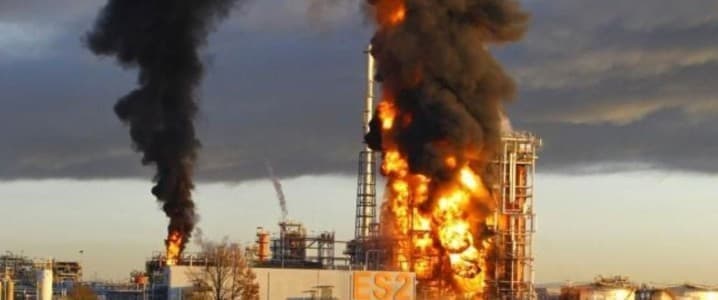
The catalyst for this strategic pivot lies in the substantial damage inflicted upon key Russian refining facilities. Reports indicate that aerial drone attacks targeting Russian oil installations have incapacitated two major refineries operated by Rosneft, one of the nation’s largest integrated energy companies. Specifically, the Novokuibyshevsk refinery has reportedly ceased all primary processing operations following extensive damage to its crucial CDU-11 unit. Concurrently, the Ryazan refinery, another vital processing hub, is operating at significantly reduced capacity, with only one crude distillation unit remaining functional. This has more than halved its output, directly impacting the domestic supply of both gasoline and diesel fuels.
These disruptions are not merely operational setbacks; they represent a significant blow to Russia’s internal fuel supply chain, particularly during a period of peak summer demand. The immediate consequence has been a sharp escalation in domestic fuel prices, reaching unprecedented levels since the full-scale conflict began. Data from the St. Petersburg exchange reveals that Ai-95 gasoline prices surged to RUB 77,000 per ton on Tuesday, marking a historic high. The Kremlin is undoubtedly monitoring this inflationary pressure with concern, as sustained high prices could trigger public discontent and potentially necessitate rationing or the deployment of emergency fuel stockpiles in affected regions.
Logistical Challenges and Export Surge
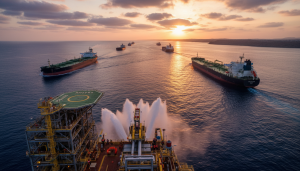
The forced re-routing of crude from refineries to export terminals presents a significant logistical undertaking. To accommodate the projected increase of up to 200,000 bpd in August, market analysts suggest Russia will require an additional ten Aframax-class tankers. These vessels are crucial for transporting Urals crude from western ports to international buyers, filling the void left by the damaged processing plants that would typically consume these volumes domestically. The urgency is palpable in the spot market, where charterers are actively securing mid-August loading windows, signaling a swift and decisive push to offload crude that can no longer be refined internally at Rosneft’s Ryazan and Novokuibyshevsk facilities.
For investors, this situation presents a complex interplay of factors. While the diversion of crude to exports might initially seem to bolster Russia’s foreign currency earnings, it simultaneously highlights the vulnerability of its energy infrastructure and the internal economic pressures stemming from reduced domestic fuel availability. The increased supply of Urals crude on the international market could exert downward pressure on its price, although the overall global supply-demand dynamics will also play a crucial role. Furthermore, the heightened demand for Aframax tankers could lead to temporary spikes in charter rates, offering potential opportunities for shipping companies.
Market Implications and Investor Outlook
The immediate strategy for Russian oil exporters appears to be maximizing Urals crude sales while global prices remain supportive and storage capacities continue to fill. This proactive approach aims to mitigate the economic impact of the refinery shutdowns and maintain revenue streams. However, the long-term implications are less clear. The timeline for repairing the damaged refineries remains a critical unknown, with market participants eagerly awaiting official statements from Rosneft or the Russian Energy Ministry regarding projected restoration schedules. Prolonged outages would deepen the internal fuel crisis and reinforce the reliance on crude exports, potentially impacting Russia’s strategic energy posture.
Investors in the oil and gas sector should closely track several key indicators. The price differential for Urals crude against international benchmarks like Brent will be particularly telling, as any significant increase in export volumes could widen discounts if demand does not keep pace. Furthermore, the evolving geopolitical landscape and the efficacy of future drone strikes on Russian energy infrastructure will remain a constant source of market volatility. The situation underscores the inherent risks associated with investing in regions subject to intense geopolitical conflict, where supply disruptions can emerge swiftly and with significant market ramifications.
The current scenario in Russia serves as a stark reminder of how geopolitical events can rapidly reshape global energy flows and market dynamics. The forced pivot from domestic refining to increased crude exports reflects a nation grappling with significant infrastructure vulnerabilities. For oil and gas investors, understanding these shifts is paramount to navigating an increasingly complex and volatile energy market, where supply disruptions and strategic responses can have far-reaching financial implications across the entire value chain.