The global energy landscape is undergoing a profound reorientation, with Russia’s strategic pivot towards Asian markets, particularly China, coming at a significant financial cost. This eastward shift, driven by the effective closure of European markets, is creating a bifurcation in natural gas pricing that will have lasting implications for energy investors worldwide. While Europe grapples with securing diversified supply at a premium, China stands to benefit from substantial discounts, fundamentally reshaping regional and global LNG dynamics. Understanding this dual pricing strategy is crucial for investors navigating the complex energy markets of today and tomorrow.
The Cost of Russia’s Eastern Pivot Amidst Market Volatility
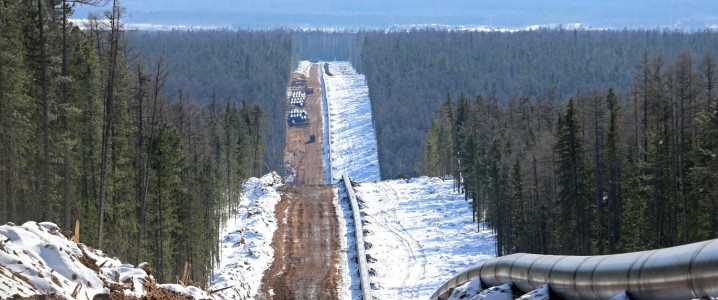
Russia’s decision to re-route its vast natural gas resources from Europe to China is a geopolitical necessity, but it comes with a steep price tag for Moscow. Internal projections from Russia’s Economy Ministry, tied to the 2026 budget, reveal that gas deliveries to China are expected to be priced at least 27 percent below European and Turkish levels over the next three years. This discount is not static; it is projected to widen further, reaching approximately 38 percent by 2025. This divergence underscores Beijing’s considerable leverage as the primary large-volume buyer willing to absorb these redirected flows, primarily through the Power of Siberia pipeline, with the long-anticipated Power of Siberia-2 pipeline set to further cement this dynamic.
For investors, this significant discount translates directly into reduced unit revenue for Russian energy giants like Gazprom, which has publicly acknowledged the lower pricing. This financial reality exists within a broader context of commodity price volatility. As of today, Brent crude trades at $90.38 per barrel, marking a notable 9.07% decline within the day, with its range spanning $86.08 to $98.97. Similarly, WTI crude has fallen to $82.59, down 9.41% from its opening, trading between $78.97 and $90.34. This daily downturn is part of a larger trend, as Brent has shed $22.4, or nearly 20%, from its $112.78 high just two weeks ago on March 30. Such significant swings in the crude market directly impact the overall revenue picture for major energy producers, making the deep discounts on gas sales to China even more impactful on Russian state budgets and corporate profitability.
Europe’s Enduring Premium and the Global LNG Ripple Effect
While Russia pivots east with discounted gas, Europe continues to face a premium for its energy security. The continent has largely weaned itself off Russian pipeline gas, replacing those volumes with diverse sources, primarily liquefied natural gas (LNG) from the U.S., Qatar, and other producers, along with increased pipeline imports from Norway and Azerbaijan. This diversification has come at a higher cost, solidifying a new, elevated price floor for European natural gas compared to historical levels. The projected widening gap between Chinese and European gas prices suggests that this premium for Europe is likely to persist, as Russia’s strategic focus remains firmly on securing long-term outlets in Asia rather than regaining lost market share in the West.
Furthermore, China’s access to deeply discounted pipeline gas from Russia has significant implications for global LNG markets. With a substantial portion of its base load demand met by cheaper pipeline supply, China gains a stronger negotiating position for spot LNG cargoes from other international suppliers. This increased leverage could potentially lead to lower spot prices for Chinese buyers, but it simultaneously means less competition for available LNG volumes for other global buyers, particularly in Europe and Asia, who might face higher prices. This dynamic influences investment decisions across the LNG value chain, from upstream gas development to liquefaction terminals and regasification infrastructure.
Navigating Future Supply and Demand: Investor Questions and Upcoming Catalysts
Investors are keenly focused on the future trajectory of energy markets, particularly given the ongoing geopolitical shifts and price volatility. We’ve noted a surge in questions from our readership, such as “What do you predict the price of oil per barrel will be by end of 2026?” and “What are OPEC+ current production quotas?” These inquiries highlight the immediate need for clarity on supply-side decisions and their potential impact on prices. Russia’s gas strategy is a long-term play, but its financial viability is deeply intertwined with the broader energy market, particularly crude oil prices, which dictate the revenues of many integrated energy companies.
Several upcoming events on the energy calendar will provide critical insights into supply and demand dynamics, directly influencing investor outlooks. The **OPEC+ Ministerial Meeting on April 19** is paramount. Decisions regarding production quotas will directly impact global crude supply and, consequently, prices. Any surprise adjustments could either alleviate or exacerbate the current downward pressure observed in Brent and WTI prices. Following this, the **API Weekly Crude Inventory on April 21** and the **EIA Weekly Petroleum Status Report on April 22** will offer crucial snapshots of U.S. inventory levels, a key indicator of demand strength in the world’s largest oil consumer. These reports, repeated on April 28 and April 29, respectively, provide granular data on stock changes, refining activity, and product supplied, guiding expectations for near-term price movements. Finally, the **Baker Hughes Rig Count on April 24 and May 1** will signal future production trends in North America, particularly relevant for understanding the supply response from U.S. shale producers. These events, collectively, will help investors refine their forecasts for oil and gas prices through the remainder of 2026 and beyond, factoring in the unique challenges and opportunities presented by Russia’s evolving energy export strategy.
Strategic Implications for Global Energy Investments
The bifurcation of Russia’s natural gas pricing strategy represents a fundamental shift in global energy trade patterns, with profound implications for investment portfolios. For investors, this scenario underscores the persistent geopolitical risk premium embedded in European energy assets and the growing importance of diversified, non-Russian supply chains. Companies involved in LNG liquefaction and export, particularly those with long-term contracts outside of China’s direct sphere of influence, may find increased demand from European and other Asian buyers seeking alternatives to Russian gas. Conversely, the increased leverage afforded to China by discounted pipeline gas could introduce new competitive pressures for other gas suppliers vying for market share in the world’s largest energy consumer.
This dynamic also highlights the differing strategic advantages for major energy players. While China gains a “competitive advantage” through cheaper energy inputs for its industries, Russia faces reduced revenue per unit, forcing a reevaluation of long-term investment strategies for its energy infrastructure. Investors should closely monitor the development of new pipeline projects, particularly Power of Siberia-2, and the evolving geopolitical relationships that underpin these massive energy flows. The long-term profitability of major energy firms, the stability of global energy prices, and the very structure of international energy trade are all being reshaped by Moscow’s costly, yet strategically necessary, pivot to the East.


