Sanctions Evasion Scheme Uncovered: A Wake-Up Call for Global Energy Investors
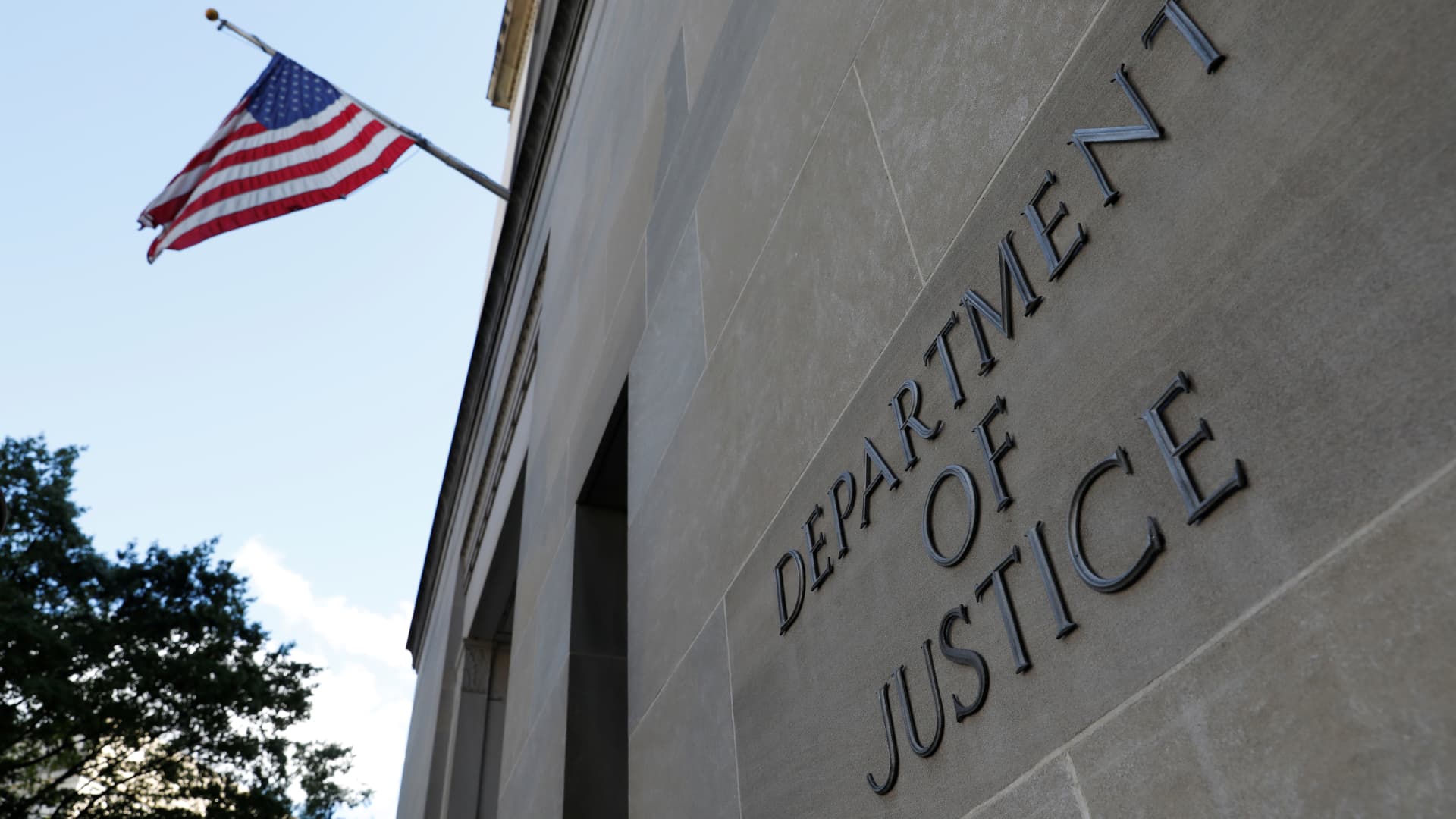
The United States Department of Justice has unveiled a sweeping indictment against the founder of a U.S.-based cryptocurrency payments firm, alleging a sophisticated international money laundering operation that funneled over half a billion dollars on behalf of sanctioned Russian financial institutions and other entities. This development sends a stark message about the persistent challenges in enforcing international sanctions and carries significant implications for geopolitical stability and, by extension, global energy markets.
Iurii Gugnin, a 38-year-old Russian national residing in Manhattan, now faces a formidable 22-count indictment. The charges include serious offenses such as wire fraud, bank fraud, violations of U.S. sanctions and export controls, money laundering, and a failure to implement legally mandated anti-money laundering (AML) protocols. Following his arrest and arraignment, Gugnin was ordered held without bail, underscoring the gravity of the allegations.
The Mechanics of a Covert Financial Pipeline
Prosecutors detail a meticulously crafted scheme, where Gugnin allegedly transformed his companies, Evita Investments and Evita Pay, into a clandestine conduit for illicit funds. Between June 2023 and January 2025, approximately $530 million was processed, with the true origins and purposes of these funds deliberately obscured. The operation primarily leveraged U.S. banks and cryptocurrency exchanges, with Tether, a widely utilized dollar-pegged stablecoin, serving as a key instrument in these transactions.
The client roster for this illicit service reads like a who’s who of sanctioned Russian entities. Among them were prominent financial institutions such as Sberbank, VTB Bank, Sovcombank, and Tinkoff. Crucially, the list also included Rosatom, Russia’s state-owned nuclear energy corporation. The involvement of such a critical energy sector player highlights the pervasive nature of attempts to circumvent sanctions and the direct relevance of these financial machinations to the broader energy landscape.
Deception, Digital Erasure, and Export Control Breaches
To facilitate the scheme, Gugnin reportedly engaged in extensive deception. He allegedly misrepresented the scope of his business operations, falsified critical compliance documentation, and deliberately misled both traditional banks and digital asset platforms about his direct ties to Russia. The indictment further details how the source of funds was masked through a network of shell accounts. A particularly brazen tactic involved doctoring more than 80 invoices, digitally erasing the identities of Russian counterparties to conceal the true beneficiaries and originators of the funds.
Investigators also uncovered digital breadcrumbs indicating Gugnin’s awareness of potential scrutiny. Internet searches attributed to him included queries like “how to know if there is an investigation against you” and “money laundering penalties US,” suggesting a clear understanding of the legal risks he was undertaking. Beyond financial circumvention, Gugnin is also accused of facilitating the export of sensitive U.S. technology to Russian clients, including an anti-terrorism-controlled server, further escalating the national security implications of the case.
Geopolitical Ramifications for Energy Markets
This elaborate fraud scheme carries significant geopolitical weight that directly impacts the global energy sector. The Department of Justice alleges that Gugnin maintained direct ties to members of Russia’s intelligence service and officials in Iran, both countries that do not have extradition treaties with the U.S. Such connections underscore the strategic nature of these financial operations, which extend far beyond mere profit motives.
For oil and gas investors, the implications are profound. Persistent sanctions evasion undermines the effectiveness of international efforts to curb illicit financial flows and pressure regimes. When sanctioned entities, especially those integral to the energy supply chain like Rosatom, can circumvent financial controls, it introduces an element of unpredictability and risk into global markets. This kind of financial subterfuge can empower state-sponsored actors, potentially fueling conflicts or destabilizing regions critical for energy production and transit. The market volatility stemming from such geopolitical maneuvers directly impacts commodity prices, supply chain integrity, and investment decisions within the energy sector.
Crypto Regulation and Investor Confidence
The reliance on Tether and other cryptocurrency platforms in this scheme reignites critical debates surrounding digital asset regulation. While cryptocurrencies offer innovative financial solutions, their pseudonymous nature can also be exploited for illicit activities, posing significant challenges for law enforcement and financial oversight bodies. This case serves as a potent reminder for investors about the importance of robust regulatory frameworks in the digital asset space to prevent their misuse in undermining global financial integrity.
The ongoing scrutiny of cryptocurrency’s role in sanctions evasion and money laundering could lead to intensified regulatory actions. Such developments might introduce new compliance burdens or alter the landscape for digital asset investments, which, in turn, can have ripple effects across broader financial markets, including those that fund and support the energy industry. Investors must closely monitor these regulatory shifts and their potential impact on market liquidity and asset valuation.
Severe Consequences and Deterrence
Gugnin’s luxurious lifestyle, including reportedly paying $19,000 per month for a Manhattan apartment, stands in stark contrast to the severe legal jeopardy he now faces. If convicted on the bank fraud charges alone, he faces a statutory maximum sentence of 30 years in prison. A conviction on all counts could result in a consecutive maximum sentence significantly longer than his lifetime, sending an unequivocal message about the U.S. government’s resolve to prosecute those who violate sanctions and engage in financial crime.
This high-profile case serves as a powerful deterrent to other individuals and entities considering similar illicit activities. The U.S. Department of Justice and its partners continue to demonstrate their capacity to track and dismantle complex financial networks, regardless of their sophistication or reliance on emerging technologies. For investors in the energy sector, this commitment to upholding the integrity of the financial system is paramount, as it underpins the stability necessary for long-term capital allocation and growth. The unraveling of such schemes helps reinforce the rule of law, which is a foundational element for predictable and secure global energy markets.