Romania’s Hydrogen Blueprint: A New Frontier for Energy Investors
As the global energy landscape continues its multifaceted transformation, driven by decarbonization mandates and the relentless pursuit of energy independence, Romania has officially unveiled its ambitious National Hydrogen Strategy 2025-2030. This strategic document is far more than a policy statement; it represents a concrete roadmap for significant capital deployment into the clean hydrogen sector, signaling a pivotal shift in the nation’s energy future. For astute investors keenly watching the evolution of energy markets, Romania’s commitment to renewable hydrogen offers a compelling new avenue, promising substantial growth opportunities in a rapidly expanding sector. This move positions Romania as a key player in Europe’s green energy transition, making it a critical focus for those seeking to diversify their portfolios beyond traditional fossil fuels.
Scaling Green Ambition: The Core of Romania’s Hydrogen Strategy
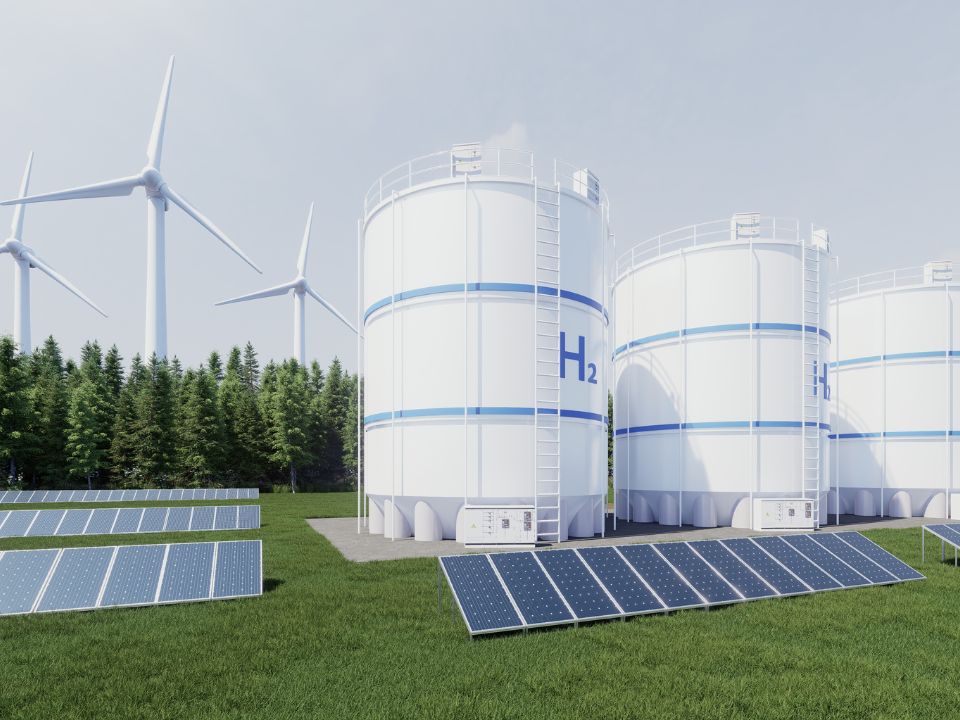
Romania’s National Hydrogen Strategy sets forth an aggressive, yet achievable, target: to produce 153,000 tons of renewable hydrogen annually by 2030. This monumental goal is underpinned by a significant build-out of new infrastructure, specifically requiring over 2,100 MW of electrolyzer capacity. To power these electrolyzers, the strategy mandates the deployment of approximately 4,200 MW of dedicated renewable energy sources, primarily from new solar and wind farms. The strategic document highlights key sectors for hydrogen integration, including heavy industry, transport, and the broader energy and heating networks. This comprehensive approach aims to substantially reduce greenhouse gas emissions, positioning renewable hydrogen as a critical vector in the nation’s journey towards net-zero emissions. For investors, this translates into direct opportunities across the entire value chain, from renewable power generation and electrolyzer manufacturing to hydrogen transportation and end-use applications in industrial and mobility sectors.
Navigating Volatility: Hydrogen’s Appeal Amidst Shifting Crude Prices
The strategic push for hydrogen in Romania arrives at a fascinating juncture in the global energy markets. As of today, Brent Crude trades at $90.38, marking a significant 9.07% drop within the day, with its range fluctuating between $86.08 and $98.97. Similarly, WTI Crude mirrors this trend at $82.59, down 9.41% from its open, trading within a daily range of $78.97 to $90.34. This sharp decline continues a broader trend, with Brent having fallen from $112.78 just two weeks ago. Such dramatic volatility in conventional crude markets underscores the inherent risks and unpredictable nature of fossil fuel investments. In this context, Romania’s steadfast commitment to hydrogen, backed by a clear governmental strategy, offers a compelling counter-narrative. Investments in renewable hydrogen, while still nascent, are driven by long-term decarbonization goals and energy security imperatives, providing a degree of insulation from the daily gyrations of the crude market. For investors seeking stability and predictable growth within the energy sector, the strategic, government-backed nature of Romania’s hydrogen initiative presents a more resilient investment thesis compared to the often-turbulent traditional energy commodities.
Forward Momentum: Upcoming Events and the Hydrogen Horizon
While Romania lays the groundwork for its hydrogen future, the broader energy market remains highly dynamic, influenced by a series of upcoming events that will shape short-term price movements and investor sentiment. In the immediate term, global energy markets will closely watch the OPEC+ JMMC Meeting this Sunday, April 19th, followed by the critical OPEC+ Ministerial Meeting on Monday, April 20th. These deliberations, alongside the API Weekly Crude Inventory report due on April 21st and the EIA Weekly Petroleum Status Report on April 22nd, will set the tone for short-term crude supply and demand dynamics. Further out, the Baker Hughes Rig Count on April 24th will offer insights into North American production trends. While these events directly impact fossil fuel prices and supply, they indirectly influence the attractiveness of alternative energy investments. A decision by OPEC+ to maintain or alter production quotas, for instance, could shift the perceived urgency or cost-competitiveness of hydrogen projects. However, investors should view Romania’s hydrogen strategy as a long-term, structural play, offering a hedge against the inherent volatility and geopolitical risks associated with conventional energy sources, thereby providing a diversified risk/reward profile independent of immediate crude market gyrations.
Deciphering Investor Concerns: The Future of Energy Investment
Our proprietary reader intent data offers a unique window into what matters most to investors right now. There’s a keen and persistent focus on future oil prices, with many asking questions like “what do you predict the price of oil per barrel will be by end of 2026?” and seeking detailed insights into OPEC+ current production quotas. Furthermore, investors are actively evaluating specific energy players, evident in queries about “how well Repsol will end in April 2026.” These questions highlight a dual investor mindset: immediate concern over traditional energy market fundamentals, coupled with a forward-looking perspective on company-specific performance and broader industry shifts. Romania’s hydrogen plan offers a tangible and strategic answer to the “what’s next?” question beyond crude. For investors grappling with the future direction of energy, the country’s clear roadmap for hydrogen development provides a robust, policy-backed opportunity in the energy transition. This strategy directly addresses the underlying drive for energy security and decarbonization that exists regardless of daily oil price fluctuations, offering a pure-play entry point into a sector poised for exponential growth and diversification away from the traditional, often volatile, energy commodity markets.