The energy landscape is in constant flux, with traditional oil and gas markets navigating geopolitical headwinds and demand shifts, while the transition to cleaner energy accelerates. Against this backdrop, savvy investors are increasingly scrutinizing opportunities within the critical minerals sector, recognizing its pivotal role in powering the electric vehicle revolution. A recent strategic Memorandum of Understanding (MoU) between Rock Tech Lithium and China’s Ronbay Technology underscores this evolving investment thesis, aiming to forge an integrated battery materials supply chain directly within Europe. This collaboration is more than just a supply agreement; it represents a significant step towards localizing critical raw material production, bolstering European energy independence, and creating new avenues for value creation for investors looking beyond conventional hydrocarbon plays.
The Strategic Imperative for European Critical Minerals
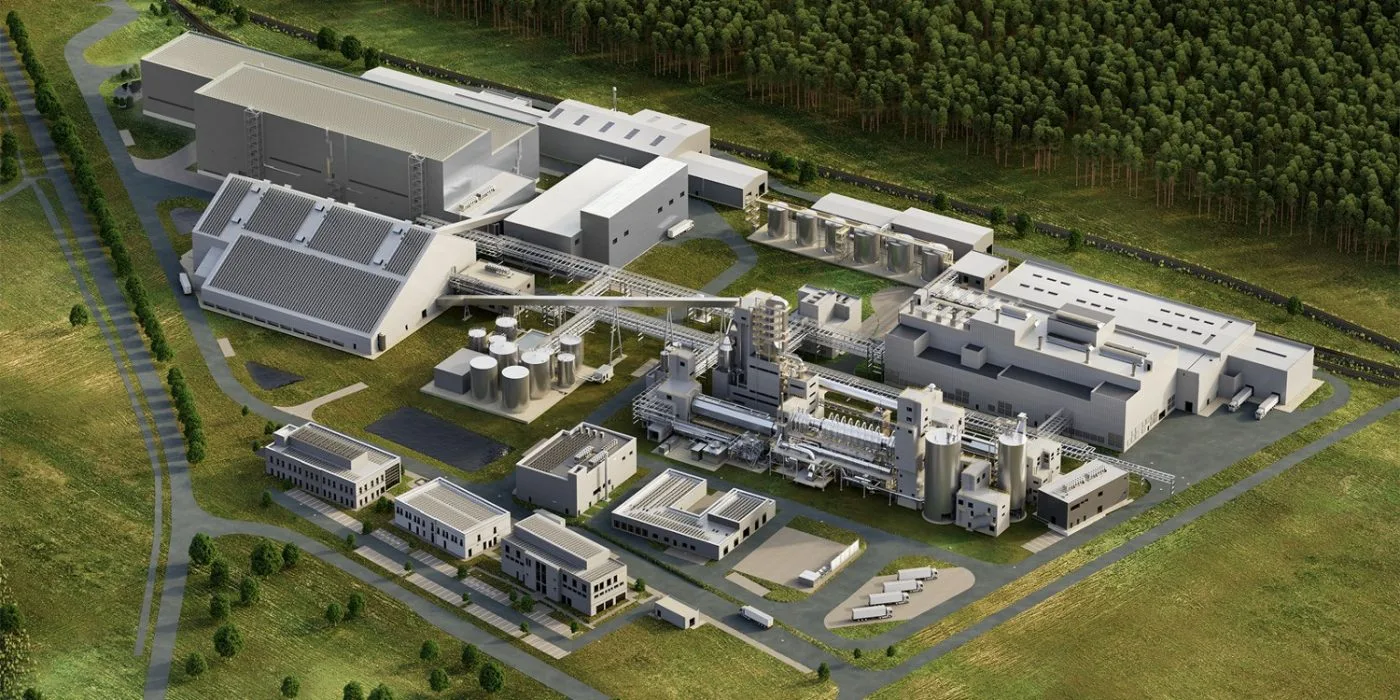
This partnership between Rock Tech Lithium, a German-Canadian developer, and Ronbay Technology, a leading Chinese Cathode Active Material (CAM) manufacturer, is strategically vital for Europe’s ambitions in the electric vehicle (EV) sector. Rock Tech’s Guben Converter in Germany is slated to produce 24,000 tonnes of battery-grade lithium hydroxide annually, a volume sufficient to power over 500,000 electric vehicles each year. This output is earmarked for Ronbay’s European cathode production facilities, specifically its newly acquired plant in Konin, Poland, which plans to produce 25,000 tonnes of mid- and high-nickel ternary materials starting in 2026. The explicit focus on “local production” in Europe for European EV manufacturers addresses a critical vulnerability: the continent’s heavy reliance on imported battery materials, often from geopolitical rivals. For investors, this signifies a de-risking of the supply chain, potentially leading to more stable project development and clearer pathways to market, aligning with broader governmental incentives for regional self-sufficiency. Ronbay’s commitment extends beyond just procurement; they are poised to provide technical resources and potential investment to support the Guben Converter’s development, indicating a deeply integrated and mutually beneficial alliance designed to accelerate execution and scale operations efficiently. This holistic approach to partnership suggests a robust foundation for long-term growth and market penetration within the burgeoning European EV market.
Market Volatility and the Drive for Diversification
The broader energy market provides a compelling context for why strategic deals in critical minerals are capturing investor attention. As of today, Brent crude trades at $95.19 per barrel, marking a +0.42% increase within a day range of $91 to $96.89. WTI crude similarly saw a +0.5% uptick, settling at $91.74, with a daily range of $86.96 to $93.3. While these represent daily gains, the 14-day trend for Brent shows a significant retreat, dropping from $102.22 on March 25th to $93.22 on April 14th – an 8.8% decline. This inherent volatility, coupled with fluctuating gasoline prices currently at $3 per gallon, up 1.01% today, underscores the dynamic and often unpredictable nature of traditional hydrocarbon markets. Against this backdrop, our proprietary reader intent data reveals a keen investor interest in understanding the future trajectory of oil prices, with frequent inquiries about “a base-case Brent price forecast for next quarter” and the “consensus 2026 Brent forecast.” Such questions highlight the strategic importance of hedging against market uncertainty. For many oil and gas investors, these critical minerals partnerships represent a crucial diversification strategy. By investing in the foundational elements of the energy transition, such as lithium hydroxide for EV batteries, portfolios can gain exposure to growth sectors less directly impacted by geopolitical events affecting crude supply, while still benefiting from the overarching global energy demand narrative. The long-term demand for battery materials, driven by global electrification mandates, presents a counter-cyclical or at least uncorrelated opportunity to traditional oil and gas investments, making deals like Rock Tech and Ronbay’s increasingly attractive.
Operational Synergies and Future Growth Catalysts
The Memorandum of Understanding extends far beyond a simple supply agreement, outlining a comprehensive framework for integrated development and market penetration. Ronbay, leveraging its extensive experience as a global CAM manufacturer, will introduce seasoned engineering and construction partners to support the Guben Converter’s construction and subsequent ramp-up. This infusion of specialized expertise is critical for fast-tracking the project’s timeline and ensuring operational efficiency, directly addressing common investor concerns about project delays and cost overruns in large-scale industrial ventures. Furthermore, both parties are committed to exploring joint investment opportunities, signaling a deeper financial alignment and shared risk/reward profile. This collaborative investment model can unlock additional capital for expansion and innovation, amplifying the potential for returns. Beyond production, the partnership explicitly targets market development, customer acquisition, and securing long-term offtake commitments within the rapidly expanding European battery and automotive sectors. This comprehensive approach, encompassing everything from raw material extraction and processing to end-market delivery, aims to build a resilient and self-reinforcing battery value chain. For investors, these explicit commitments to shared growth and market expansion offer a strong indicator of the partnership’s potential to generate sustainable revenue streams and capture significant market share in a highly competitive industry.
Navigating the Macro Environment and Forward-Looking Catalysts
While the Rock Tech-Ronbay deal focuses on the burgeoning EV supply chain, its success remains intertwined with the broader macroeconomic and energy policy landscape. Our calendar of upcoming energy events provides crucial insight into the forces shaping this environment. Next week, investors will closely watch the Baker Hughes Rig Count on April 17th and 24th, offering a pulse on upstream activity. More significantly for global energy markets, the OPEC+ Joint Ministerial Monitoring Committee (JMMC) meets on April 18th, followed by the full OPEC+ Ministerial Meeting on April 20th. Decisions from these gatherings on production quotas will directly influence crude prices, which in turn impact global economic growth projections and, by extension, consumer purchasing power for electric vehicles. Further insights into supply-demand dynamics will come from the API Weekly Crude Inventory reports on April 21st and 28th, and the EIA Weekly Petroleum Status Reports on April 22nd and 29th. These events, though centered on hydrocarbons, contribute to the overall economic sentiment and capital allocation decisions that affect all sectors, including critical minerals. For the Rock Tech-Ronbay partnership, the ongoing push by the European Union for greater self-sufficiency in critical raw materials provides a powerful tailwind. This deal directly aligns with the EU’s strategic objectives to reduce reliance on external suppliers and build robust domestic supply chains. Investors should monitor policy developments and potential incentives from Brussels, which could further accelerate projects like the Guben Converter and Ronbay’s Polish facility. The strategic alignment with European policy, coupled with the operational synergies outlined, positions this partnership for significant growth, provided the broader economic environment, influenced by OPEC+ decisions and global energy demand, remains supportive. This forward-looking perspective, integrating macro energy market signals with specific critical mineral developments, is essential for a holistic investment strategy in today’s complex energy landscape.