Rex International’s Production Profile: A Benchmark in a Dynamic Market
Rex International Holding Ltd.’s August 2025 production update serves as a critical operational benchmark for investors evaluating upstream asset performance. The company reported an average daily production of 12,230 barrels of oil equivalent per day (boed) across its diversified portfolio spanning Norway, Oman, and Germany. This output, significantly bolstered by its Norwegian operations, provides a lens through which to assess Rex’s resilience and growth potential amidst evolving global energy market dynamics. For investors keenly focused on consistent value generation from producing assets, understanding the underlying drivers of this output, coupled with a forward-looking market perspective, is paramount to informed decision-making.
Navigating Volatility: Rex’s Output Against a Shifting Price Backdrop
Rex International’s reported August 2025 production figures offer a stable operational foundation, a crucial factor in the current volatile crude market. As of today, April 17, 2026, Brent Crude is trading at $98.38 per barrel, marking a 1.02% dip within a day range of $97.92 to $98.67. Similarly, WTI Crude stands at $89.99, down 1.29% for the day. This immediate market snapshot is part of a broader, more significant trend: over the past 14 days, Brent has experienced a notable decline, falling from $112.57 on March 27, 2026, to $98.57 on April 16, 2026 – a substantial $14 or 12.4% reduction. In such an environment, the consistent output of 12,230 boed reported by Rex for August 2025 takes on added importance. Companies demonstrating robust and relatively stable production levels can mitigate some of the revenue shocks caused by downward price movements, offering a degree of predictability to their cash flows. Investors are increasingly prioritizing operational stability and cost efficiency in an era where price swings can swiftly erode margins, making Rex’s production profile a key point of analysis.
The Norwegian Engine: Brage and Yme Fields as Core Value Drivers
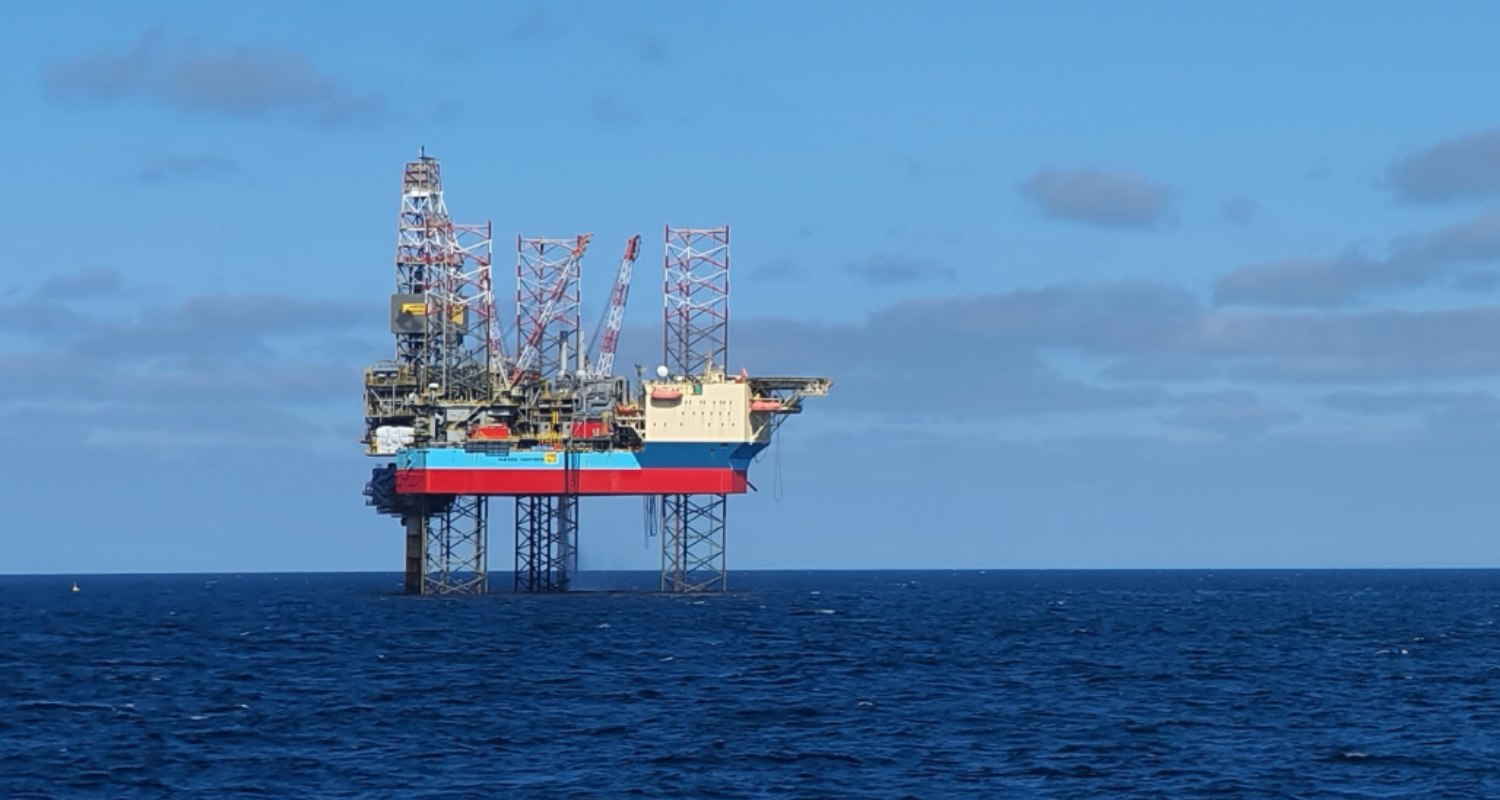
The cornerstone of Rex International’s production strength lies in its Norwegian assets, which contributed a combined net production of 10,629 boed in August 2025 through its subsidiary, Lime Petroleum AS (LPA). This represents the vast majority of the company’s total output, underscoring the strategic importance of the Brage and Yme fields. LPA holds a substantial 33.84% working interest in the OKEA ASA-operated Brage Field, a mature asset where drilling activities are continually pursued to optimize recovery. The ongoing drilling at Brage, coupled with the planned tie-back of the Bestla discovery, signals a clear path for sustaining and potentially expanding production from this core asset. Furthermore, the 25% interest in the Repsol Norge AS-operated Yme Field adds another significant component. Yme’s strategy of reinjecting associated gas to enhance oil recovery is a testament to modern field management practices aimed at maximizing hydrocarbon extraction and asset longevity. While both fields experienced scheduled and unscheduled shut-ins—typical occurrences in offshore operations—the overall sustained contribution from these high-quality Norwegian assets remains a primary determinant of Rex’s valuation and long-term production trajectory.
Diversified Contributions: Oman and Germany’s Role in Portfolio Resilience
Beyond the robust Norwegian operations, Rex International benefits from a diversified asset base in Oman and Germany, which, while smaller in scale, contribute to the company’s overall portfolio resilience. In Oman, the Yumna Field in Block 50, operated by Rex’s subsidiary Masirah Oil Ltd. (MOL) with a 100% interest, delivered a stable average gross production of 1,549 stock tank barrels per day (stb/d). This wholly-owned and operated asset provides valuable operational control and direct exposure to regional market dynamics. The stability of Yumna’s output complements the larger-scale, non-operated Norwegian assets by offering a different risk profile and revenue stream. Similarly, the modest but strategic contributions from Germany’s Schwarzbach and Lauben fields, totaling 52 barrels of oil per day (bopd) net, further enhance diversification. Rex’s indirect subsidiary, Lime Resources Germany GmbH (LRG), operates Schwarzbach with a 100% interest and holds a 50% stake in Lauben. The local utilization of produced gas for onsite heating at both German fields highlights an integrated, efficient approach to resource management, demonstrating a commitment to operational sustainability, even for smaller-scale assets. This geographic and operational spread helps insulate the company from localized disruptions, providing a more stable investment proposition.
Ahead of the Curve: Upcoming Events and Rex’s Future Outlook
As investors analyze Rex International’s operational performance, their gaze is inevitably fixed on the horizon, seeking indicators that will shape the future value of energy investments. Many investors are currently asking about OPEC+ production quotas and the trajectory of crude prices, underscoring the critical impact of macroeconomic supply-side decisions. This week presents a pivotal moment, with the OPEC+ Joint Ministerial Monitoring Committee (JMMC) meeting scheduled for April 18, followed by the full Ministerial Meeting on April 20, 2026. Decisions from these gatherings regarding production levels could significantly impact global crude supply and, consequently, the Brent price, which currently hovers around $98.38. Any adjustment to quotas will directly influence the revenue potential for companies like Rex International, even as they maintain a steady operational profile. Beyond OPEC+, other key forward-looking indicators include the API Weekly Crude Inventory reports on April 21 and 28, and the EIA Weekly Petroleum Status Reports on April 22 and 29, which offer crucial insights into U.S. supply and demand balances. Additionally, the Baker Hughes Rig Count on April 17 and 24 will provide a pulse on industry activity. For Rex, continued operational stability across its Norwegian, Omani, and German assets, combined with active development like the Brage drilling and Bestla tie-back, positions the company to capitalize on potential market upturns while navigating the uncertainties that these upcoming calendar events may introduce. Investors should monitor these macro-level events in conjunction with Rex’s consistent production updates to fully grasp its forward earnings potential.


