Stonepeak Acquires Key Stake in Repsol’s U.S. Solar Portfolio, Valued at $340 Million
The burgeoning U.S. renewable energy market recently witnessed a significant financial maneuver as Stonepeak, a prominent New York-based alternative investment firm, finalized an agreement to purchase a substantial 46.3% ownership stake in a major American solar and energy storage portfolio from Spanish integrated energy giant Repsol. This strategic transaction, valued at $340 million for the acquired interest, underscores the accelerating trend of institutional capital flowing into operational clean energy assets, driven by a desire for stable, long-duration returns amidst the global energy transition.
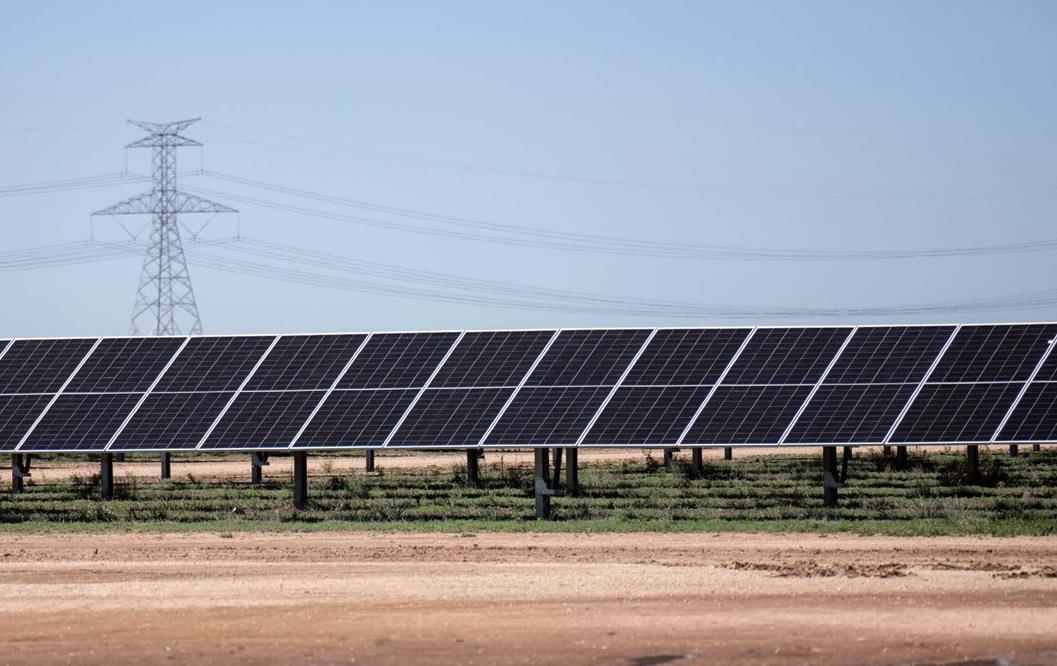
At the heart of this deal lies an impressive collection of operating solar generation and advanced battery storage facilities, boasting a combined capacity of 777 megawatts (MW). These critical energy infrastructure assets are strategically positioned across the high-growth energy markets of New Mexico and Texas. The total enterprise valuation for this robust portfolio stands at approximately $795 million. Notably, this valuation incorporates $60 million in previously secured tax equity, highlighting the intricate financial structures and attractive incentive mechanisms that underpin large-scale renewable developments within the competitive U.S. energy landscape.
Strategic Alignment for Infrastructure Investors
For Stonepeak, a firm with a well-established reputation for its deep focus on infrastructure investments, this acquisition represents a clear and compelling alignment with its core investment philosophy. The firm consistently targets critical, long-lived assets that provide essential services. Anthony Borreca, a Senior Managing Director at Stonepeak, emphasized the firm’s commitment to strengthening the domestic power grid, specifically by delivering reliable, cost-efficient, and environmentally responsible electricity to consumers. Furthermore, this move signals Stonepeak’s intention to cultivate deeper, more enduring partnerships with established global energy players like Repsol, leveraging their combined strengths to capitalize on the rapid expansion of cleaner energy sources and the evolving infrastructure demands of a decarbonizing economy.
The investment reflects a broader institutional appetite for mature, revenue-generating renewable assets that offer predictable cash flows. As governments and corporations worldwide commit to decarbonization targets, the demand for renewable energy infrastructure continues to surge. Firms like Stonepeak are uniquely positioned to provide the necessary capital to scale these operations, securing vital infrastructure that underpins the future energy system. Their involvement not only provides liquidity but also brings operational expertise and long-term stewardship to these crucial assets, benefiting the overall stability and growth of the renewable sector.
Repsol’s Astute Capital Recycling and Low-Carbon Strategy
From Repsol’s perspective, this transaction serves as a prime example of its disciplined capital allocation strategy and unwavering commitment to its ambitious low-carbon generation targets. João Costeira, Repsol’s Executive Managing Director of Low Carbon Generation, underscored the significance of this deal as their inaugural renewable asset rotation within the pivotal U.S. market. This strategic divestment allows Repsol to effectively monetize a portion of its highly successful renewable developments, thereby recycling capital. This freed-up capital can then be strategically redeployed to fund future growth initiatives and further expand its global clean energy footprint, accelerating its transition away from traditional hydrocarbon reliance.
The successful attraction of a leading infrastructure investor such as Stonepeak also provides powerful validation for Repsol’s strategic direction in renewables. It demonstrates the inherent value, operational excellence, and strong market appeal of the assets Repsol has developed. This ability to attract significant external investment for mature projects is a testament to the quality of their portfolio and their execution capabilities. For integrated energy companies navigating the energy transition, the ability to develop, optimize, and then strategically divest assets to fund the next wave of development is a critical component of sustainable growth and value creation for shareholders.
Diving into the Portfolio’s Operational Excellence
The acquired portfolio is anchored by two cornerstone projects that exemplify its operational excellence and strategic market positioning. The Frye solar project, located in Texas, stands as Repsol’s largest photovoltaic plant currently in operation. It commands an impressive installed capacity of 632 MW, making it a significant contributor to the regional grid and a testament to utility-scale solar development. Texas, with its abundant solar resources and high energy demand, represents a crucial market for such large-scale renewable generation facilities.
Complementing the Frye project is the innovative Jicarilla solar and energy storage facility in New Mexico. This project integrates 145 MW of solar generation with a substantial 72.5 MW battery storage system, capable of providing energy for two hours. The inclusion of battery storage is particularly critical, as it enhances grid stability, enables the dispatch of renewable energy even when the sun isn’t shining, and improves the overall reliability and value of the generated electricity. Furthermore, the Jicarilla project holds unique significance as the first utility-scale solar facility developed on the lands of the Jicarilla Apache Nation, underscoring the growing importance of partnerships with indigenous communities in advancing sustainable energy initiatives.
Broader Market Implications for Energy Investors
This transaction between Repsol and Stonepeak offers valuable insights for investors observing the broader energy market. It highlights a critical trend: the increasing bifurcation of roles within the renewable energy sector. Developers like Repsol focus on originating and constructing projects, proving their viability, and then rotating out equity to fund their next ventures. Concurrently, infrastructure funds like Stonepeak are stepping in to provide long-term, patient capital for these de-risked, operational assets, seeking stable yields and diversification within their portfolios.
For investors in oil and gas, this deal serves as a clear indicator of how traditional energy companies are actively rebalancing their portfolios towards low-carbon assets, leveraging their development expertise while strategically managing capital. The robust valuation and strong institutional interest underscore the continued attractiveness of U.S. renewable energy infrastructure. As the global energy transition accelerates, such strategic partnerships and capital recycling mechanisms will be instrumental in financing the vast expansion of clean energy capacity required to meet future demand and climate goals, creating new avenues for investment and growth across the entire energy complex.


