UK Green Energy Job Threat Spurs Policy Scrutiny
The United Kingdom’s ambitious energy transition, a cornerstone of its economic future and climate commitments, is now confronting significant political turbulence, particularly within the critical region of Lincolnshire. Fresh analysis indicates that proposed policy shifts by Reform UK, designed to impede renewable energy initiatives, could jeopardize nearly £1 billion in localized investment and imperil over 12,000 jobs across the area. This emerging scenario introduces a substantial layer of regulatory and political uncertainty, complicating capital deployment strategies for investors targeting British clean energy assets.
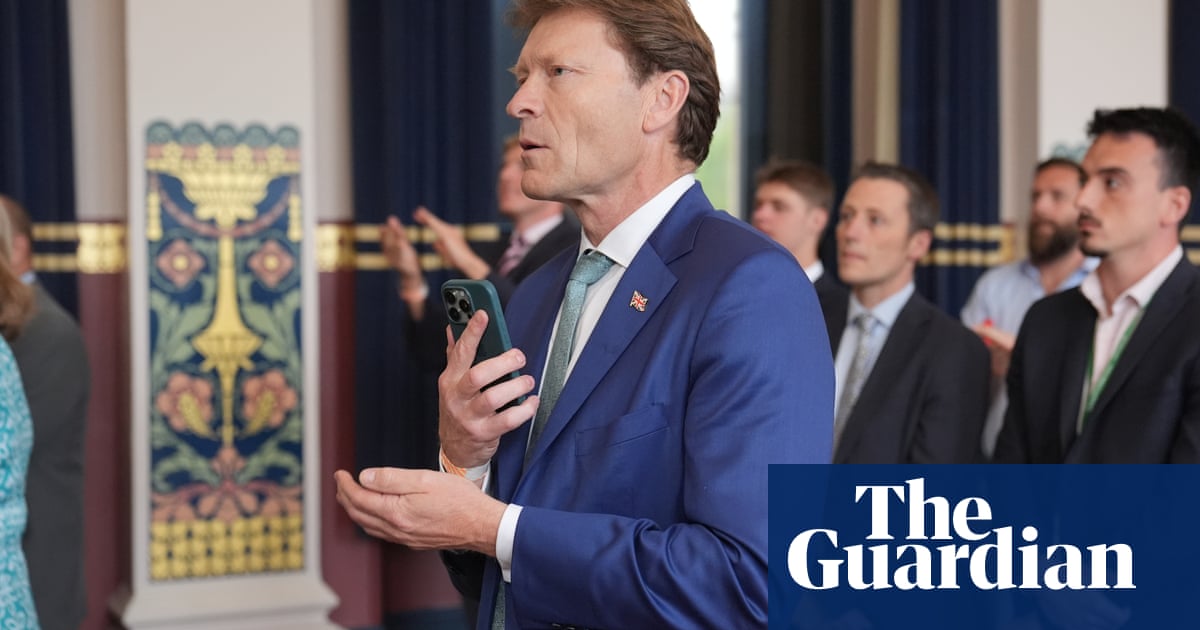
Westminster’s central government has already signaled its firm intention to counteract any attempts by Reform UK to obstruct or dismantle investments in renewable energy infrastructure. This pre-emptive stance follows public declarations by Richard Tice, Reform UK’s deputy leader, who stated that local councils and mayoralties under the party’s influence would actively block what he controversially labels “net stupid zero” projects. This encompasses vital components of a modernized energy grid, including solar farms, essential electricity pylons, and large-scale battery storage systems, all foundational to the nation’s decarbonization efforts.
Mounting Headwinds for UK Renewable Capital
For financial stakeholders and project developers, the rhetoric from Reform UK translates directly into tangible risk. Richard Tice’s explicit commitment to “attack, hinder, delay, obstruct, and put every hurdle” in the path of green developments casts a long shadow over the investment landscape. Such aggressive posturing creates an environment of profound uncertainty, threatening to stall project pipelines and escalate perceived risk premiums for capital allocations in the UK’s burgeoning renewable sector. The potential for localized political interference, even against national strategic imperatives, poses a significant deterrent to both domestic and international investors.
The targeted infrastructure, from utility-scale solar arrays harnessing abundant sunlight to the high-voltage transmission lines necessary to distribute this power, and the battery facilities critical for grid stability and energy storage, represents the backbone of the future energy system. Any systematic obstruction of these assets not only undermines the UK’s net-zero targets but also threatens energy security by delaying the transition away from volatile fossil fuel markets. Investors are now keenly assessing how such local political opposition could impact project viability, development timelines, and ultimately, their return on investment.
Lincolnshire’s Green Economy Under Siege
The economic contribution of net-zero industries to Greater Lincolnshire is far from negligible, estimated at a substantial £980 million annually, underpinning the livelihoods of 12,209 individuals. These figures, derived from recent economic research, emphatically highlight the critical role these sectors play in the regional economy, providing high-value employment and driving local innovation. Reform UK’s confrontational approach, as articulated by its leadership, directly threatens this established economic base, potentially leading to job losses and a significant downturn in regional economic activity.
Further exacerbating investor concerns is the influential position of Andrea Jenkyns, the Reform mayor for Lincolnshire. Along with the county council, which also aligns with the party, she would wield considerable power to impede and postpone renewable energy developments within the region. Jenkyns has previously expressed skepticism regarding carbon dioxide as a pollutant, advocated for abandoning national net-zero targets, and explicitly stated that Lincolnshire “will not be a dumping ground for pylons,” actively campaigning against solar farm construction. This resolute stance suggests a direct and challenging confrontation with national energy policy goals and the private sector investment essential to achieve them, creating a hostile environment for developers seeking to deploy capital in the area.
Quantifying Investor Exposure and Project Vulnerabilities
From an investor’s perspective, the specter of local political obstruction translates directly into several critical financial implications: increased project risk, extended development timelines, and significantly higher capital expenditure. These factors erode project profitability and lengthen payback periods, making the UK a less attractive destination for green energy finance. Labour MP Melanie Onn characterized Reform’s stance as “a war on jobs and investment,” underscoring the profound economic detriment to local businesses and families, a sentiment that resonates deeply within the investment community concerned about broader economic stability.
The intricate structure of UK planning regulations adds further layers of complexity for energy investors. For instance, large-scale solar farms, typically those exceeding 100 megawatts (MW) in capacity, are classified as Nationally Significant Infrastructure Projects (NSIPs). These require direct approval from the Secretary of State, following examination by the Planning Inspectorate, offering a centralized route for determination. However, smaller projects, generally ranging between 10MW and 50MW, fall under the jurisdiction of local authorities, rendering them far more susceptible to localized political interference and delays. This dichotomy means that while larger projects have a national pathway, they are still vulnerable to local opposition creating delays and cost overruns. Crucially, smaller-to-medium scale projects, which form a significant part of the distributed energy landscape, face direct and potentially insurmountable hurdles at the local level, impacting diversification and regional energy self-sufficiency.
Navigating the UK’s Evolving Energy Investment Landscape
The current confluence of national energy strategy and localized political resistance presents a critical juncture for the UK’s energy transition. While the Westminster government aims to safeguard renewable investments, the potential for entrenched opposition at the local level introduces a formidable challenge that could undermine these objectives. For investors in oil and gas transitioning their portfolios, or those solely focused on renewables, this environment demands meticulous due diligence and a nuanced understanding of regional political dynamics.
The ramifications extend beyond individual projects in Lincolnshire; if such obstructionist policies gain traction elsewhere, they could significantly deter future foreign direct investment into the UK’s green economy. This would not only imperil the nation’s legally binding net-zero targets but also compromise its energy security and economic competitiveness in the rapidly expanding global clean energy market. Maintaining policy clarity, stability, and a unified national vision for decarbonization is paramount to sustaining investor confidence and ensuring the UK remains a leading destination for green energy capital.