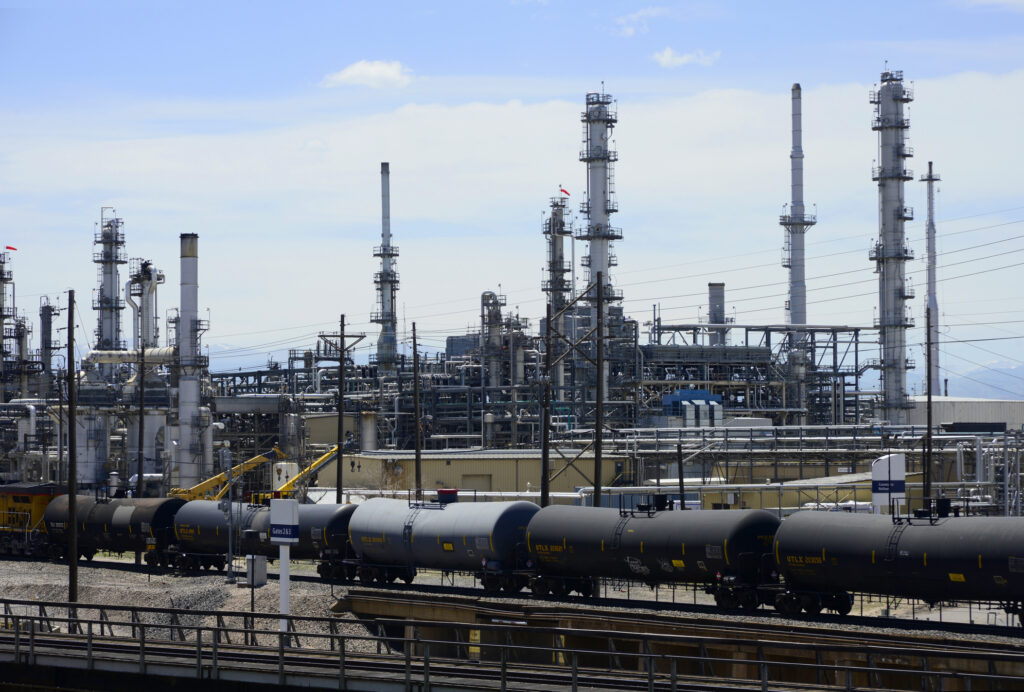
Refiners Q1: Strong Profits Amidst Oil Slump
The global refining sector delivered an unexpectedly robust first-quarter performance, effectively decoupling its profitability from the broader downturn in crude oil prices that characterized much of the period. This resilience in the downstream segment has not only caught the attention of seasoned market observers but also presented a compelling narrative for discerning energy investors. Far from succumbing to the pressures of a softer crude market, refiners leveraged a powerful resurgence in profit margins, significantly bolstering their financial positions and demonstrating their capacity to generate substantial value even amidst challenging upstream conditions. This unexpected strength offers a critical counter-balance to the prevailing concerns over a potential slowdown in global oil demand, highlighting the sector’s unique ability to adapt and capitalize on prevailing market dynamics.
Regional Margin Explosions Fuel Downstream Earnings
Drilling down into regional dynamics, the profit surge was particularly pronounced. U.S. Gulf Coast refiners, specifically those processing Mars crude, witnessed an impressive doubling of their per-barrel margins, which soared to approximately $16. This significant uplift underscores the favorable market conditions prevailing in North America, driven by specific product demand and feedstock availability. Across the globe, Singapore-based refining operations reported healthy margins of $7 per barrel on Dubai crude, demonstrating consistent profitability in a key Asian hub. Meanwhile, their broader Asian counterparts recorded an even more striking 36% jump in profitability for Arab Light crude, signaling robust regional demand for refined products. These figures collectively paint a picture of widespread downstream strength, diverging sharply from the margin pressures felt by crude oil producers during the same period.
Crack Spreads: The Engine of Enhanced Profitability
The fundamental engine driving this exceptional first-quarter profitability was the widening of crack spreads. For the uninitiated, the crack spread represents the crucial differential between the acquisition cost of crude oil, the refiner’s primary raw material, and the selling price of the multitude of refined products derived from it – think gasoline, diesel, and jet fuel. During Q1, the market witnessed a confluence of optimal factors: crude oil prices remained relatively subdued and even declined in some instances, while demand for these essential refined fuels held remarkably steady, or even saw modest increases in certain regions. This created an ideal scenario for refiners. They could procure their primary raw material at advantageous, lower prices, while consistently selling their high-demand finished products at stable or even appreciating rates. The result was an expanded margin at every stage of the refining process, allowing these operators to effectively ‘capture’ substantial value and translate it directly into robust earnings. This strategic advantage enabled them to generate significant cash flow, effectively minting profits on these exceptionally favorable spreads.
Individual Performance: A Mixed Bag for Refining Giants
While the aggregate performance of the refining sector shone brightly, a closer examination of individual refining giants reveals a more nuanced landscape. Marathon Petroleum, for instance, reported a net loss for the first quarter, diverging from the broader positive trend. The company attributed this downturn to a complex combination of weaker-than-anticipated refining margins in specific areas, alongside the significant impact of planned seasonal maintenance outages and unexpected operational downtime. In stark contrast, Chevron’s refining division delivered an outstanding performance, proving instrumental in helping the integrated energy major achieve analysts’ earnings expectations, even as its upstream crude production faced a softer price environment. This highlights the diversified strength that integrated majors can leverage across the energy value chain. Other prominent U.S. refiners also experienced varied outcomes. Valero Energy reported a notable year-over-year decline in profit, settling at $282 million. This reduction was primarily influenced by extensive maintenance activities impacting throughput and efficiency, coupled with a softer market for renewable diesel. Phillips 66 also contended with diminished refining margins, particularly within its critical Gulf Coast and Atlantic Basin operations. However, the company’s overall Q1 net income, which stood at a respectable $796 million, received substantial support from its robust midstream and chemicals segments, underscoring the benefits of a diversified operational portfolio in mitigating refining-specific challenges.
Investment Implications: Resilience and Adaptability in Focus
The first quarter’s exceptional showing by the refining sector offers a compelling and multi-faceted narrative for oil and gas investors. It vividly underscores the inherent resilience and strategic adaptability of downstream operations, demonstrating their capacity to thrive and generate significant shareholder value even when upstream crude markets face substantial headwinds. For those meticulously evaluating energy portfolios, the ability of refiners to capitalize on widening crack spreads presents a powerful and often overlooked value proposition, offering diversification within the broader energy complex. While individual company results varied, reflecting differing operational strategies, regional exposures, and critical maintenance schedules, the overall picture indicates a segment consistently capable of generating substantial returns. Moving forward, investors should closely monitor crack spread dynamics, global and regional demand patterns for refined products, and individual company-specific factors such as asset utilization rates, maintenance schedules, and the success of diversification efforts into areas like midstream or chemicals. These elements will continue to be critical determinants of future profitability and investment appeal within this dynamic and essential part of the energy value chain.