Qatar’s LNG Ultimatum: A Geopolitical Tremor for European Energy Investors
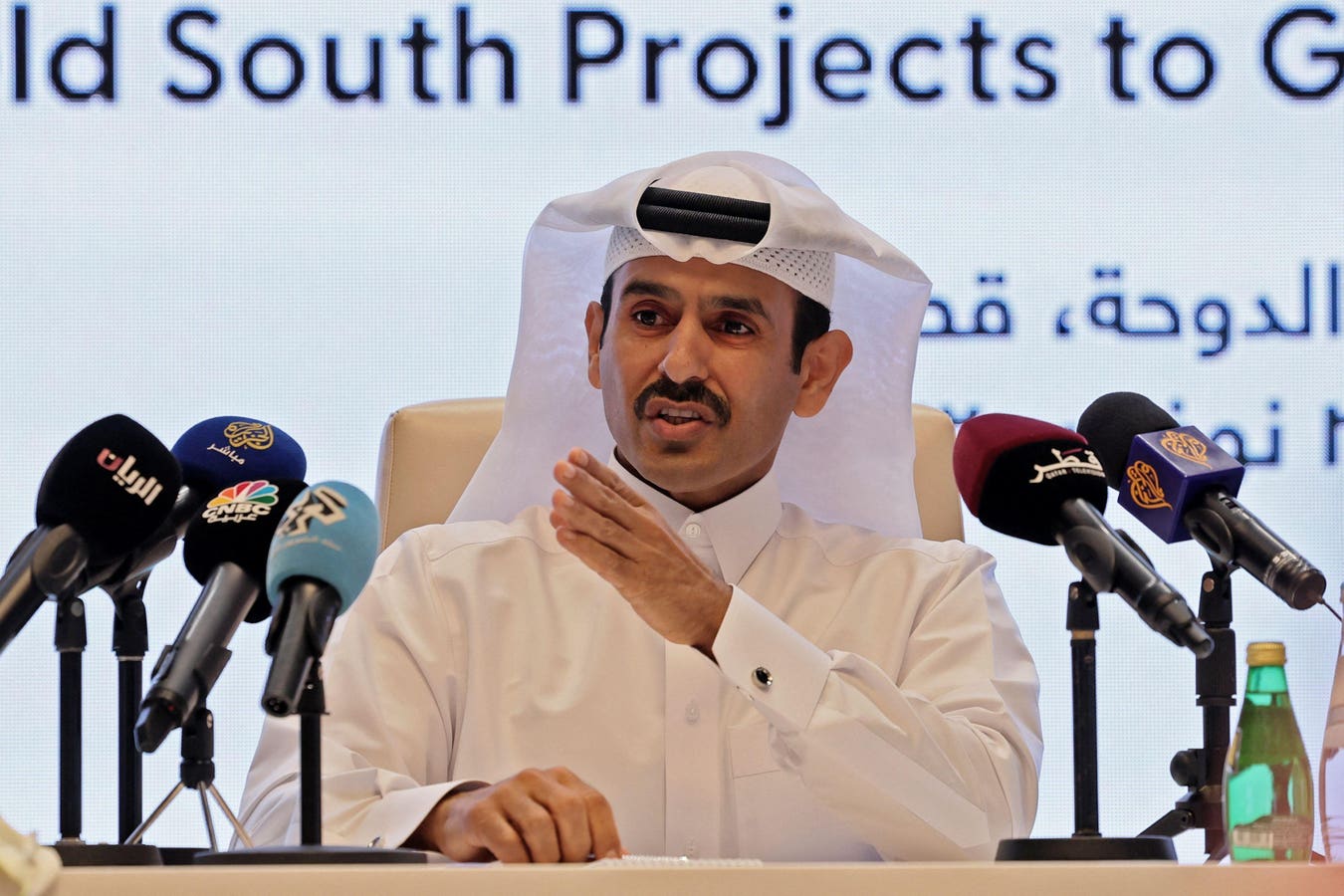
The global liquefied natural gas (LNG) market, a cornerstone of international energy security, faces a potential seismic shift as Qatar, a preeminent exporter, issues a stern warning to the European Union. Saad Sherida al-Kaabi, Qatar’s Energy Minister and CEO of state-owned energy giant QatarEnergy, has indicated that the Gulf nation may halt LNG shipments to the EU. This declaration arrives at a critical juncture for Europe, which is actively striving to diversify its energy supply and reduce reliance on Russian gas imports. Investors in the energy sector must closely monitor this unfolding situation, as its implications could significantly reshape global natural gas flows and pricing dynamics.
The genesis of this diplomatic standoff lies in the European Corporate Sustainability Due Diligence Directive (CSDDD), which formally took effect on July 25. This sweeping legislation mandates that large corporations, both within and outside the EU, actively identify, prevent, mitigate, and remedy adverse human rights and environmental impacts within their supply chains. This includes addressing concerns such as forced labor and ecological damage. Companies failing to comply face substantial fines. The directive targets entities with a yearly turnover exceeding €450 million, with a phased implementation schedule extending gradually through 2029 based on company size and revenue thresholds.
Qatar’s strong reaction to the CSDDD is intrinsically linked to its economic model, heavily reliant on fossil fuel exports, and historical criticisms regarding labor practices, particularly concerning foreign workers. In a letter dispatched to the Belgian government in May, Minister al-Kaabi explicitly stated that without “further adjustments to the CSDDD, the State of Qatar and QatarEnergy will be compelled to seriously explore alternative markets beyond the EU for our LNG and other energy products.” The letter also challenged the directive’s environmental objectives, reiterating Doha’s lack of immediate plans to achieve net-zero emissions, underscoring a fundamental philosophical divergence on climate policy.
Qatar’s Market Leverage and Global LNG Influence
Qatar’s position in the global LNG landscape grants it considerable leverage. According to data from the U.S. Energy Information Administration, Qatar stands as one of the world’s leading LNG exporters, having channeled approximately 9.3 billion cubic feet per day of LNG through the strategically vital Strait of Hormuz in 2024 alone. This immense production capacity, centered around facilities like the Ras Laffan Industrial City, enables Qatar to satisfy a significant portion of European gas demand. Crucially for Doha, it possesses viable alternative destinations for its substantial LNG output. Emerging LNG pipelines in Syria, coupled with strengthening diplomatic and commercial ties with nations like Pakistan, offer Qatar diversified export pathways, reducing its dependence on any single market bloc.
This is not the first instance of Qatar issuing such a warning over the CSDDD. Back in December 2024, Minister al-Kaabi reportedly asserted, “If the scenario dictates that I forfeit 5% of my generated revenue by supplying Europe, I will simply not supply Europe.” He unequivocally added, “I am not bluffing.” This firm stance signals a calculated commercial decision rather than an idle threat, highlighting Qatar’s willingness to prioritize profitability and sovereign control over its energy policy, even at the expense of established market relationships. For energy investors, this demonstrates Qatar’s strategic agility and the potential for rapid redirection of massive energy volumes.
Europe’s Energy Security Crossroads
Should Qatar follow through on its threat, the repercussions for European energy security would be profound and far-reaching. The EU’s concerted efforts to disentangle itself from Russian energy dominance have increasingly relied on LNG imports, with Qatar emerging as a critical supplier. Losing this supply would necessitate a rapid scramble for alternatives, potentially driving up spot prices in an already volatile market. Europe’s options for replacing Qatari volumes, particularly at comparable affordability, are limited, making the continent vulnerable to significant market disruption.
However, the EU is not entirely without recourse. Member states could intensify efforts to secure additional LNG imports from other global suppliers, including the United States, which has rapidly expanded its export capacity. Other potential sources include Nigeria, Algeria, and Mozambique, though logistical challenges and existing contractual commitments could limit immediate significant increases from these nations. Furthermore, the situation might compel European governments to revisit domestic energy policies, potentially accelerating investments in local nuclear power generation or other renewable energy infrastructure to bolster self-sufficiency.
From an investment perspective, this geopolitical chess match introduces considerable uncertainty into the European gas market. Energy companies with significant exposure to European supply contracts or distribution networks could face increased operational risks and price volatility. Conversely, LNG exporters from alternative regions, particularly the U.S., could see heightened demand and potentially more favorable pricing, presenting new investment opportunities. The long-term implications could also spur accelerated investment in energy transition technologies within Europe, as the imperative for genuine energy independence gains renewed urgency.
Navigating the Investor Landscape
The ongoing dispute between Qatar and the EU over the CSDDD underscores the increasing intersection of ESG mandates, geopolitics, and energy market stability. For investors in the oil and gas sector, particularly those focused on natural gas and LNG, this situation demands careful analysis. The potential for a major re-routing of global LNG flows could impact shipping rates, terminal utilization, and regional gas prices. Companies involved in infrastructure development for LNG import and export facilities, especially those outside of Europe, might find themselves in a more advantageous position.
Ultimately, the coming months will reveal whether a compromise can be reached or if Qatar will indeed execute its threat. The stakes are exceptionally high for both sides: Europe’s energy stability and its commitment to corporate sustainability, versus Qatar’s sovereign right to manage its energy exports and economic interests. As this critical situation unfolds, sophisticated investors will be keenly observing for shifts in supply dynamics, policy responses, and the broader implications for the global energy landscape.