Private Fuel Retailers Seize Market Share From PSUs
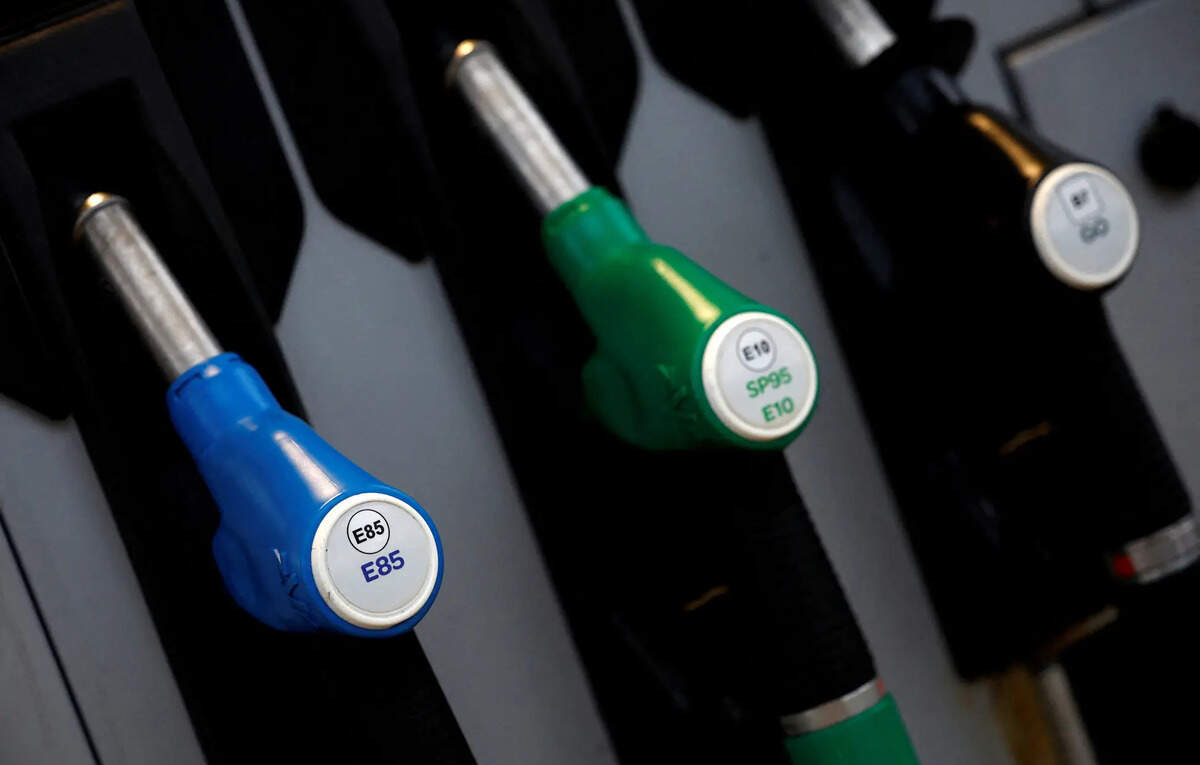
A significant realignment is underway within the nation’s fuel retail landscape, where agile private sector players are rapidly expanding their footprint at the expense of established state-owned enterprises. This shift is driven by a unique market distortion: state-run companies continue to maintain pump prices at elevated levels, even as international crude and refined product benchmarks have seen substantial declines. The resulting windfall margins have become a battleground, with private operators strategically leveraging this advantage to capture market share.
For investors closely tracking the energy sector, this dynamic presents a compelling narrative of competitive strategy and regulatory impact. Global crude prices have plummeted by a notable 20% year-on-year. This downward trend extends to refined products, with petrol prices falling by 14% and diesel by 17% over the same period. Despite these significant reductions in input costs, domestic pump prices for both petrol and diesel have remained largely stagnant. This creates an environment of exceptionally high gross marketing margins for all fuel retailers, both public and private.
Private Operators Capitalize on Market Inefficiency
Leading private fuel retailers, notably Reliance Industries and Nayara Energy (backed by Rosneft), are not merely observing these elevated margins; they are actively weaponizing them. These companies are strategically undercutting the state-run firms – Indian Oil Corporation (IOC), Hindustan Petroleum Corporation Ltd (HPCL), and Bharat Petroleum Corporation Ltd (BPCL) – by as much as ₹3 per litre. This aggressive pricing strategy directly impacts the profitability and volume sales of their public sector counterparts, steadily eroding their long-held dominance in the retail petrol and diesel segments.
The impact of this strategy is already evident in recent market data. Analysis from April-May reveals a clear trend of market share migration. In the diesel retail segment, the private sector’s share expanded from 9.6% a year earlier to a robust 11.5%. Similarly, in petrol sales, private players saw their share increase from 9% to 10% over the same comparative period. This upward trajectory for private players underscores their ability to respond swiftly to market conditions and leverage pricing flexibility to attract consumers.
The Bulk Segment: A Glimpse into True Competition
The stark contrast between retail and bulk fuel markets further illuminates the underlying pricing potential. In the bulk diesel business, a fierce competitive struggle has unfolded, with both state-run and private suppliers offering substantial discounts relative to retail prices. This segment acts as a true barometer of market competitiveness, demonstrating the significant room for price reductions when commercial pressures are unencumbered by other considerations. Intriguingly, during April-May, state-run Indian Oil Corporation managed to regain a significant portion of its market share from private players in this highly competitive bulk diesel segment, suggesting that when unburdened, PSUs can also compete aggressively on price.
State-Owned Enterprises: Balancing Mandates and Profitability
The primary reason for the state-run firms’ reluctance to lower pump prices stems from a complex interplay of commercial objectives and social mandates. Multiple industry executives indicate that these public sector undertakings (PSUs) are strategically utilizing the expanded margins from petrol and diesel sales to offset substantial losses incurred on the sale of Liquefied Petroleum Gas (LPG) to households. The government regulates LPG prices, typically intending to compensate PSUs when the fuel is sold below market rates to ensure affordability for consumers.
However, the reality often falls short of this ideal. In the fiscal year 2024-25, Indian Oil Corporation, Hindustan Petroleum, and Bharat Petroleum collectively faced a staggering loss of ₹41,266 crore on LPG sales, for which they received no compensation. This massive financial burden necessitates a cross-subsidization mechanism, wherein the profitability from petrol and diesel retail sales is diverted to cover these LPG losses. Private fuel retailers, by contrast, operate without the imposition of such social mandates and, therefore, do not bear these significant LPG-related losses, granting them a distinct structural advantage in pricing flexibility.
Investment Implications and Future Outlook
For investors, this evolving scenario highlights several critical aspects of the energy market. The agility and profit-centric approach of private players like Reliance Industries and Nayara Energy position them for continued market share gains, particularly if the current pricing distortion persists. Their ability to respond to international price movements and pass on benefits to consumers, even if partially, creates a powerful competitive edge.
Conversely, the financial health and strategic flexibility of state-owned oil marketing companies remain intrinsically tied to government policy regarding fuel subsidies and compensation. Until a more robust and timely compensation mechanism for LPG losses is established, these PSUs will likely continue to face challenges in directly competing on price with their private counterparts in the retail market. Investors must weigh the long-term implications of these uncompensated losses on the PSUs’ balance sheets and their capacity for capital expenditure and expansion.
Conclusion: A Dynamic Landscape for Energy Investors
The current landscape in fuel retail is a compelling case study in market dynamics influenced by regulatory frameworks and competitive strategies. As private players aggressively expand their reach by capitalizing on pricing discrepancies, state-owned enterprises grapple with the dual challenge of commercial viability and social obligation. This ongoing shift promises a dynamic environment for energy investors, demanding careful consideration of regulatory risks, competitive advantages, and the long-term strategic direction of key players in this vital sector.