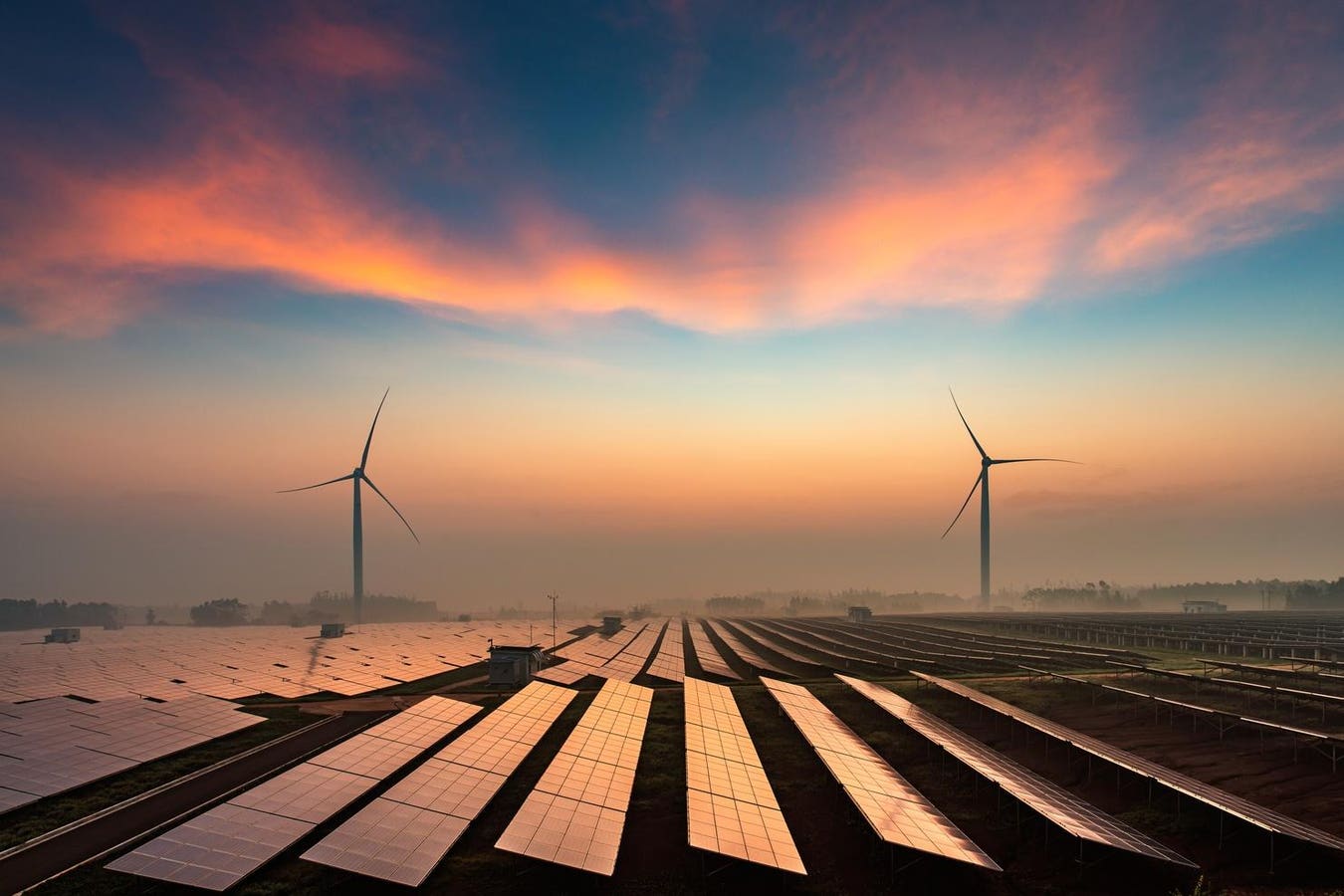
The United States’ energy landscape, long characterized by a relentless drive towards renewable sources, now stands at a critical juncture. A potential legislative shift spearheaded by House Republicans threatens to significantly alter the trajectory of clean energy growth, sparking concerns across the investment community about impending power price volatility and heightened market risk. For investors tracking the intricate dance between policy, demand, and supply, understanding these dynamics is paramount.
At the heart of this brewing storm is the proposed “One Big Beautiful Bill Act.” This legislative package seeks to dismantle a significant portion of the federal support mechanisms that have propelled solar, wind, and battery storage to become the primary drivers of new U.S. electricity generation. The ripple effects of such a policy reversal could reshape capital allocation strategies and fundamentally impact utility economics nationwide.
Legislative Headwinds and Market Repercussions
The “One Big Beautiful Bill Act” proposes a dramatic curtailment of clean energy tax credits, effectively ending these incentives for all new projects except nuclear power. The bill introduces a narrow exemption window: only projects commencing construction within 60 days of the act’s enactment and becoming operational before 2029 would retain their eligibility. This tight timeline creates an immediate, albeit temporary, surge of activity, as developers scramble to secure financing and initiate projects under the current, more favorable terms.
However, this short-term rush is anticipated to be followed by a precipitous decline in new renewable energy installations. According to analysis by Bloomberg New Energy Finance (BNEF), if enacted in its current form, this legislation could reduce the amount of new renewable capacity added to the U.S. grid by at least 10% over the next decade. For investors, this translates into a period of acute market volatility, with a potential boom-and-bust cycle for renewable energy project development, impacting everything from equipment manufacturers to project financiers.
Surging Demand Meets Stalled Supply
While a 10% reduction in future renewable capacity might initially seem manageable, its impact is profoundly magnified when juxtaposed against the backdrop of rapidly escalating energy demand across the U.S. Derrick Flakoll, a senior policy associate at BNEF, succinctly frames the situation: “Imagine that your income went down 10% just as a bunch of really expensive bills were coming due. That’s kind of what’s happening here.”
The drivers of this demand surge are multifaceted. Climate change contributes through more frequent and intense heatwaves, necessitating increased air conditioning use. More significantly, the insatiable energy requirements of data centers are emerging as a dominant force. BNEF conservatively estimates that data center load will double by 2030, positioning it as the single largest driver of power demand growth in the coming years. When reduced renewable energy additions collide with this exploding demand, a significant supply-demand imbalance becomes inevitable, paving the way for upward pressure on electricity prices and potential grid instability – factors that warrant close scrutiny from oil and gas investors eyeing broader energy market trends.
Sector-Specific Impacts and Cost Implications
The proposed policy changes are not uniformly distributed across all clean energy sectors. Solar power, particularly large- and medium-scale utility projects, faces a direct hit with the elimination of both investment and energy production tax credits. These incentives have been instrumental in making solar an economically viable and attractive option for developers and utilities alike. Their removal directly translates to higher capital expenditures and reduced returns on investment, likely slowing the pace of new solar farm construction.
Wind power, especially the nascent but high-potential offshore wind segment, stands to absorb the most significant blow. Large-scale offshore wind projects are inherently capital-intensive and rely heavily on robust federal support to achieve economic competitiveness. The loss of these incentives could severely hamper the expansion of offshore wind capacity, a critical component of many states’ decarbonization strategies. Ultimately, for consumers, these higher development costs for new energy projects, absent federal subsidies, will inevitably translate into increased utility rates, impacting household budgets and industrial operational costs.
The Unforeseen Costs of Conventional Alternatives
As policymakers consider a pivot away from incentivizing renewables, the alternative options – primarily new fossil fuel or nuclear power plants – present their own set of financial and operational challenges. A recent report from Boston University sheds light on this often-overlooked aspect: these conventional power projects are statistically more prone to budget overruns and significant delays compared to their renewable counterparts. This means higher upfront capital commitment and extended periods before assets become revenue-generating.
In stark contrast, solar projects and wind farms have demonstrated a consistent track record of being completed on or ahead of schedule and often under budget. This efficiency in project delivery directly impacts the cost of electricity generation and the overall financial viability for investors. Shifting capital towards projects with a higher probability of cost escalation and delayed completion introduces considerable risk into utility portfolios and, by extension, to the ratepayers who ultimately bear these costs. This insight is crucial for oil and gas investors evaluating the long-term competitive landscape of different energy generation technologies.
Navigating the Shifting Energy Investment Landscape
The proposed legislative changes represent a significant potential recalibration of the U.S. energy market. For investors, this signals a period of heightened uncertainty but also strategic opportunities. The immediate rush to build new renewable projects before tax credit expiration will create short-term demand, but the subsequent slowdown demands a re-evaluation of long-term investment horizons in clean energy infrastructure.
Conversely, the inevitable rise in electricity prices due to reduced renewable growth and surging demand could enhance the profitability of existing, stable baseload generation, including natural gas and other fossil fuel assets. However, the higher development risks associated with new conventional plants, as highlighted by the Boston University report, introduce a nuanced layer of complexity. Investors must meticulously analyze policy developments, monitor grid stability, and assess the true cost of various energy generation pathways to strategically allocate capital. The coming years will undoubtedly test the agility and foresight of energy investors navigating this rapidly evolving and increasingly politicized power market.