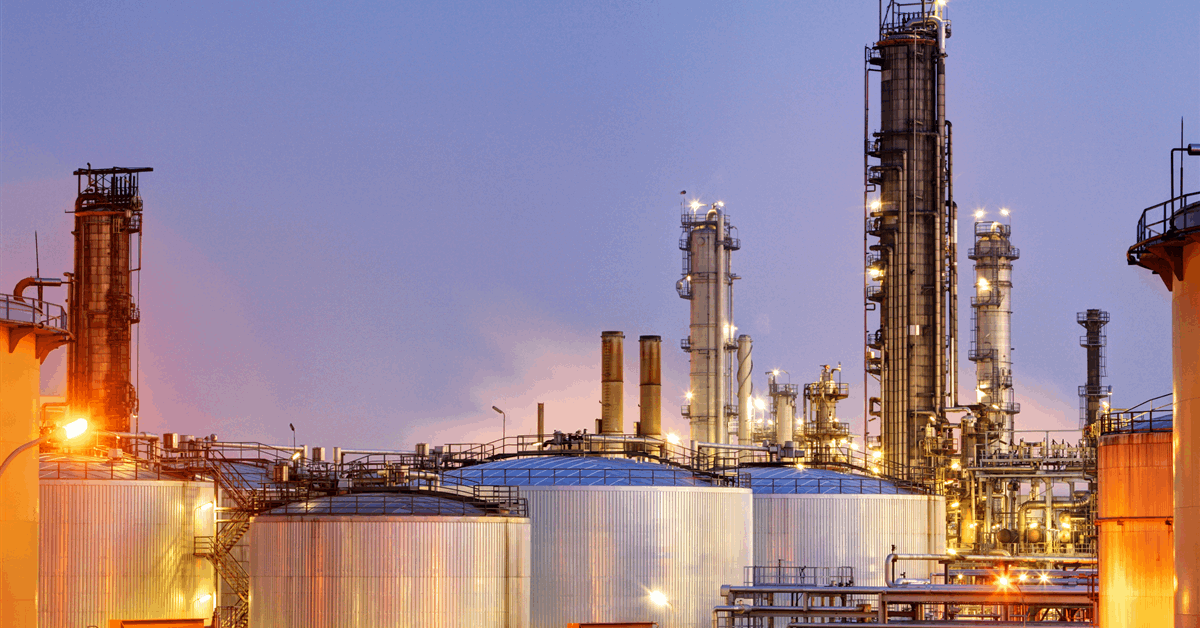
Port Harcourt Refinery Halts Operations, Raising Supply Concerns in Nigeria
Nigeria’s domestic energy landscape faces renewed scrutiny as the state-owned Nigerian National Petroleum Company Limited (NNPC) announces a temporary cessation of operations at the Port Harcourt refinery complex. This pivotal facility, a cornerstone of the nation’s downstream sector, has entered a period of scheduled maintenance, coupled with an extensive “sustainability assessment,” barely a year after its much-anticipated restart following a prolonged dormancy. The lack of a definitive timeline for its return to full service immediately draws attention from investors and market analysts monitoring Africa’s largest oil producer.
The NNPC, in a concise online communication, affirmed its collaboration with key regulatory bodies, including the Nigerian Midstream and Downstream Petroleum Regulatory Authority, to ensure the maintenance and assessment processes proceed efficiently and transparently. The company reiterated its fundamental commitment to bolstering Nigeria’s energy security. This operational halt, however, inevitably casts a shadow over the nation’s immediate refined petroleum product supply capabilities, potentially increasing reliance on imports at a time when global energy markets remain volatile.
Historical Context and Resumption Challenges
The Port Harcourt refinery’s journey has been marked by significant challenges and ambitious revitalization efforts. Last year, Shell Petroleum Development Company of Nigeria Ltd. (SPDC), now under the ownership of the Nigerian consortium Renaissance Africa Energy Holdings, recommenced crude oil supply to the facility. This crucial resumption, occurring early in 2024, followed an extensive outage spanning over five years, during which the refinery underwent critical rehabilitation and integrity checks on its vital supply pipeline originating from the terminal. The significance of this crude flow cannot be overstated, as it marked a turning point in Nigeria’s aspiration to reduce its dependence on imported refined products.
Prior to the current shutdown, on March 19, 2025, the NNPC had acknowledged a “minor incident” at the refinery. Despite this, the company maintained that the facility continued to produce “on-spec refined petroleum products,” indicating a push to ensure operational integrity even amidst initial teething problems post-rehabilitation. These intermittent operational hurdles underscore the complexities inherent in managing aging infrastructure and bringing it back to optimal performance.
Refinery Capacity and Ambitious Rehabilitation Targets
The Port Harcourt refinery complex boasts a substantial total crude distillation capacity of 210,000 barrels per day (bpd), spread across two distinct plants. The older unit, originally constructed in 1965, and its counterpart, built in 1989, represent significant national assets. Recognizing the imperative to modernize and optimize these facilities, the NNPC initiated a comprehensive $1.5 billion rehabilitation project in 2019. This multi-phase undertaking aimed to progressively enhance the refinery’s utilization rate.
The initial phase targeted a utilization rate of 60 percent, with the subsequent phase aspiring to elevate this to an impressive 90 percent. As recently as November 26, 2024, the NNPC reported that the refinery was operating at 70 percent of its installed capacity, reaffirming its commitment to achieving the 90 percent target. Investors closely monitor such metrics, as improved utilization directly translates into greater domestic fuel production and reduced import costs, impacting Nigeria’s overall economic stability and foreign exchange reserves. The current shutdown, while necessary, temporarily pauses this upward trajectory.
Expanding Nigeria’s Refining Footprint: New Ventures and Strategic Partnerships
Beyond the existing Port Harcourt complex, Nigeria’s downstream sector is poised for further expansion through strategic partnerships and new construction. The Nigerian Content Development and Monitoring Board (NCDMB) recently announced its acquisition of a 20 percent equity stake in a project to construct a new 100,000 bpd refinery. This significant development will see the new facility co-located within the expansive Port Harcourt refinery complex itself, signaling a concentrated effort to bolster regional refining capacity. The NNPC also holds a 15 percent stake in this promising venture, highlighting state backing for diversified refining infrastructure.
The promoters behind this ambitious project, African Refinery Group, secured the competitive bid to co-locate their crude oil refinery within the Port Harcourt complex back in 2016. The group executed an agreement to establish and operate the 100,000 bpd refinery on a substantial 45-hectare plot of vacant land situated within the existing refinery’s battery limit. Further cementing their long-term commitment, the company formalized a sub-lease agreement with NNPC in 2019, granting them tenure for 64 years over the 45.466 hectares. Notably, the NCDMB’s investment strategy includes a planned divestment from the refinery at the conclusion of its seventh year of commercial operations, offering an exit strategy for its developmental capital.
Investor Outlook: Navigating Challenges and Opportunities in Nigeria’s Downstream
For global investors eyeing the African energy market, developments at Port Harcourt present a complex picture of both challenges and potential opportunities. The current operational pause at the flagship refinery underscores the inherent risks associated with aging infrastructure and the demanding process of rehabilitation. However, Nigeria’s unwavering commitment to energy independence, as evidenced by the multi-billion-dollar rehabilitation projects and the strategic co-location of new refining capacity, paints a compelling long-term narrative.
The NNPC’s efforts to achieve 90 percent utilization rates and the NCDMB’s strategic investments in new projects demonstrate a concerted national drive to transform Nigeria from a net importer of refined products to a self-sufficient, and potentially exporting, nation. Market participants should carefully assess the timelines for the Port Harcourt refinery’s return, the successful commissioning of new capacity, and the broader policy environment for sustained investment in Nigeria’s vital oil and gas downstream sector. These developments will significantly shape the trajectory of Nigeria’s energy security and its attractiveness as an investment destination in the coming years.