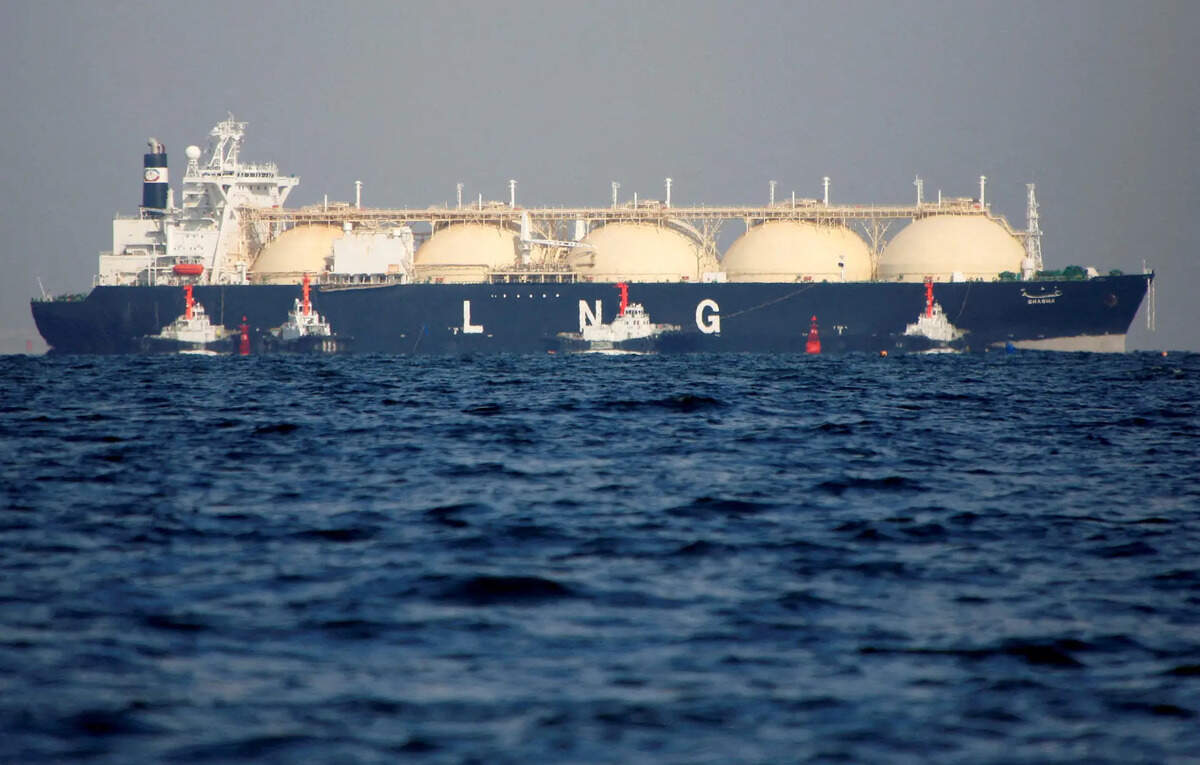
India’s burgeoning energy market, a critical growth engine for global demand, is undergoing a significant structural overhaul with the Petroleum and Natural Gas Regulatory Board’s (PNGRB) new LNG Terminal Regulations 2025. These comprehensive rules, effective from May 2025 and applicable to terminals established from October 1, 2007, represent a pivotal shift towards greater efficiency and transparency in the nation’s liquefied natural gas infrastructure. For investors eyeing the Indian energy landscape, this framework is more than just regulatory fine print; it’s a strategic move designed to integrate market needs with infrastructure planning, address historical inefficiencies, and ultimately de-risk future investments in a sector critical to India’s energy transition.
Addressing the Utilization Challenge and Planning Gaps
A primary catalyst for the PNGRB’s intervention has been the stark underutilization of India’s newer LNG terminal capacity. Proprietary data indicates that, excluding the long-established terminals at Dahej and Hazira, other facilities have averaged a meager 28 percent utilization over the fiscal years 2016-2025. This low operational efficiency, often seen in projects promoted by state-owned enterprises, points to significant capital inefficiency and higher costs that are ultimately borne by end-consumers. Historically, LNG terminals have frequently been developed with limited regulatory oversight in their initial stages, leading to a reactive approach where pipeline connectivity is sought only after construction. This fragmented planning has resulted in underutilized pipeline assets and inflated tariffs, creating a suboptimal environment for market participants.
The new regulations directly tackle this by mandating a pre-investment intimation before any final investment decision (FID) is made. Developers must now submit a detailed feasibility report, comprehensive business plans, and evacuation strategies. Crucially, a performance bank guarantee of ₹25 crore or one percent of the project cost, whichever is lower, is now a prerequisite. Upon PNGRB approval, entities receive a 30-year certificate of registration. This forward-looking approach ensures that the regulator can assess gas demand, site suitability, and essential connectivity requirements upfront, fostering an integrated development strategy that aligns terminal planning with the broader gas sector’s strategic objectives.
Enhancing Transparency for Informed Investment Decisions
Beyond resolving planning inefficiencies, the PNGRB’s framework introduces a paradigm shift in market transparency, a factor increasingly vital for global energy investors. The new rules compel LNG terminal operators to publicly disclose key charges, including regasification fees, truck loading rates, and boil-off gas (BOG) charges, on their respective websites and to the regulator. This marks a significant departure from previous practices where LNG terminal charges remained opaque, unlike the regulated and published tariffs for natural gas pipelines.
While the PNGRB has clarified it will not directly regulate these terminal tariffs, the mandate for public disclosure is a powerful tool for market empowerment. For investors, this newfound transparency is invaluable. Our internal reader intent data shows a consistent interest in understanding market drivers, with questions like “What’s driving Asian LNG spot prices this week?” frequently surfacing. Greater clarity on India’s domestic regasification costs provides crucial insight into the overall cost structure within one of Asia’s largest energy markets. This enables downstream consumers to make more informed decisions and ensures fairer market access, ultimately contributing to a more predictable and attractive investment climate for both domestic and international players looking to participate in India’s gas value chain.
Strategic Implications Amidst Global Market Volatility
The timing of these regulations is particularly pertinent given the current global energy market dynamics. As of today, Brent Crude trades at $96.62 per barrel, marking a 1.93% increase for the day, with a range of $91-$96.73. This rebound comes after a notable 14-day trend where Brent prices saw an almost 9% decline, from $102.22 on March 25th to $93.22 on April 14th. Such volatility in crude markets underscores the critical need for regulatory stability and predictability in large-scale, long-term infrastructure projects like LNG terminals. While LNG prices have their own drivers, the broader energy complex influences investment sentiment and capital allocation decisions. A stable and transparent regulatory environment in a key growth market like India can help de-risk LNG investments, making them more attractive even when crude markets exhibit significant price swings.
The mandatory pre-investment scrutiny and the performance bank guarantee requirements will undoubtedly raise the bar for project development, ensuring that only well-conceived and financially viable projects move forward. This not only protects investor capital from potential stranded assets but also ensures more efficient use of national resources. The emphasis on integrated planning will alleviate the burden of underutilized pipeline infrastructure, leading to a more streamlined and cost-effective gas supply chain for end-consumers.
Forward Outlook: Monitoring Implementation and Future Growth
Looking ahead, the effectiveness of the PNGRB’s new framework will hinge on its diligent implementation and the market’s response. Investors should closely monitor the pace of new project approvals under these regulations and the actual impact of enhanced transparency on commercial terms. The true test will be whether the regulations succeed in boosting the utilization rates of existing terminals and ensuring that future capacity additions are more closely aligned with genuine market demand.
From a global perspective, upcoming energy events will continue to shape the broader investment narrative. Key events like the OPEC+ JMMC meeting on April 18th and the Full Ministerial meeting on April 20th will provide fresh insights into global crude supply strategies. While these directly impact crude, they indirectly influence LNG pricing and demand dynamics, as well as the broader sentiment for energy investments. Similarly, the weekly Baker Hughes Rig Count and EIA/API inventory reports offer granular views on supply and demand. In this dynamic landscape, a robust and predictable regulatory framework in a major demand center like India offers a stable anchor for long-term gas infrastructure investment. The PNGRB’s 2025 regulations are not just about compliance; they are about fostering an environment conducive to sustained growth, greater capital efficiency, and enhanced investor confidence in India’s critical gas sector.


