The imperative to decarbonize has shifted from a corporate social responsibility talking point to a critical financial de-risking strategy for oil and gas investors. Central to this transition is the formidable challenge of Scope 3 emissions, which permeate a company’s entire value chain and often represent the vast majority of its carbon footprint. As regulatory bodies like the Science Based Targets initiative (SBTi) tighten their frameworks with standards such as the upcoming Corporate Net Zero Standard (CNZS) V2.0, companies are seeking robust, verifiable solutions. Among these, insetting is emerging as a pioneering, strategic approach, offering a replicable pathway to not only mitigate Scope 3 risks but also unlock new avenues for value creation within the energy sector.
The Mounting Pressure of Scope 3 and the Insetting Imperative
For investors navigating the complexities of the energy transition, understanding Scope 3 emissions is paramount. These indirect emissions, originating from both upstream and downstream activities, can account for up to 90% of a business’s total carbon footprint. Their diffuse nature makes them notoriously difficult to measure, manage, and ultimately reduce. Traditional offsetting, which involves purchasing external carbon credits, has faced increasing scrutiny regarding its long-term impact and additionality. This is where insetting differentiates itself, offering a more integrated and impactful solution.
Insetting focuses on implementing decarbonization projects directly within a company’s own supply chain, fostering collaboration with suppliers and partners. This approach directly addresses the source of Scope 3 emissions, creating measurable reductions that are intrinsically linked to the company’s operations. Beyond environmental benefits, insetting enhances supply chain resilience, drives innovation through shared sustainability goals, and can lead to improved economics for decarbonization efforts by internalizing value. For sophisticated investors, this translates to reduced regulatory risk, enhanced brand reputation, and potentially superior long-term financial performance in a carbon-constrained world.
LSB Industries’ Blueprint: CCS as a Catalyst for Insetting Success
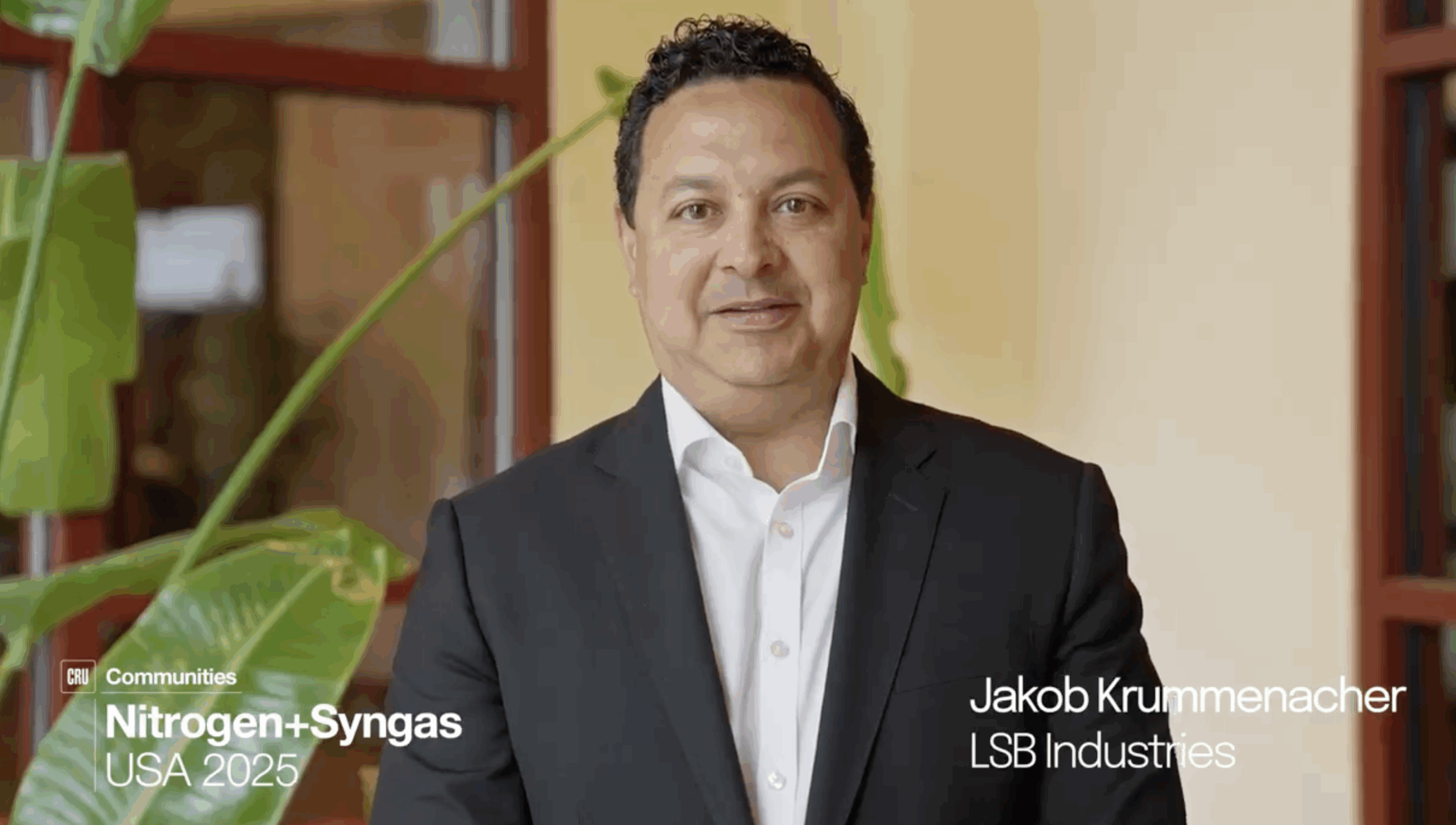
A compelling real-world example of insetting in action, particularly relevant to the industrial and chemical sectors, comes from LSB Industries, Inc. LSB is actively positioning itself as a key supplier of low-carbon products, leveraging innovative technologies to achieve significant emission reductions. Their strategy centers on integrating Carbon Capture and Sequestration (CCS) directly into their existing facilities, such as the El Dorado, Arkansas plant. This project, undertaken with partner Lapis Carbon Solutions, is designed to capture approximately 400,000 metric tons of CO2 annually, dramatically reducing LSB’s Scope 1 emissions.
The true power of this initiative for Scope 3 insetting is demonstrated through LSB’s agreement to supply Freeport McMoRan with low-carbon Ammonium Nitrate Solution (ANS). Under this five-year deal, LSB will provide up to 150,000 short tons per annum of this low-carbon product, phasing in the contracted volume. This direct supply chain collaboration allows LSB to allocate the Scope 1 emission reductions achieved via CCS onto the product purchased by Freeport, effectively providing Freeport with a tangible Scope 3 emission reduction. This model establishes a clear, replicable framework for how industrial players can work within their value chains to achieve decarbonization goals, a critical blueprint for the broader energy and chemicals sectors.
Navigating Market Volatility: Investment Implications in a Decarbonizing World
The pursuit of decarbonization, while a long-term necessity, does not occur in a vacuum. Energy markets remain inherently dynamic, and current price movements underscore the need for resilient investment strategies. As of today, Brent crude trades at $94.59, reflecting a modest daily dip from its recent range. This follows a notable trend over the past two weeks, where Brent saw a decline from $102.22 on March 25th to $93.22 on April 14th, illustrating the inherent volatility that influences corporate investment decisions. WTI crude also mirrors this sentiment, currently priced at $90.83.
Such fluctuations in benchmark crude prices inevitably impact the economics of large-scale decarbonization projects like CCS, which often require significant upfront capital expenditure. When crude prices are elevated, companies may find it easier to justify investments in emission reduction technologies, given potentially higher cash flows. Conversely, periods of price softness can lead to tightened capital budgets and increased scrutiny on project returns. However, investors are increasingly recognizing that foundational decarbonization strategies, such as insetting and CCS, are not merely cyclical expenses but strategic investments that future-proof assets against evolving carbon pricing mechanisms, regulatory pressures, and shifting consumer and investor preferences. Companies demonstrating clear pathways to Scope 3 reduction are likely to command a premium, irrespective of short-term commodity price swings.
Forward Outlook: Upcoming Events Shaping Decarbonization Investment
The next two weeks are packed with critical energy market events that will undoubtedly influence investor sentiment and, by extension, the appetite for decarbonization investments. On April 18th and 20th, the market will closely watch the OPEC+ Joint Ministerial Monitoring Committee (JMMC) and the Full Ministerial meetings. Any announcements regarding production quotas or supply strategies will directly impact crude prices, setting the near-term revenue expectations for oil producers and their ability to fund capital-intensive green initiatives. Should OPEC+ signal tighter supply, a price rally could provide a tailwind for financing projects like CCS expansions or new insetting partnerships.
Further insights into market activity will come from the Baker Hughes Rig Count on April 17th and 24th, along with the API and EIA weekly inventory reports on April 21st, 22nd, 28th, and 29th. These indicators of drilling activity and inventory levels provide a pulse on immediate supply-demand dynamics within the U.S. and globally. A sustained increase in activity might signal a longer runway for conventional production, but also a growing imperative for robust decarbonization strategies to manage the associated emissions. Investors should monitor these events not just for price signals, but for their indirect impact on corporate sustainability commitments and the pace of energy transition investments.
Addressing Investor Concerns: Monetizing Decarbonization
Our proprietary reader intent data reveals a clear investor focus on market fundamentals, with many actively seeking base-case Brent price forecasts for the next quarter and consensus 2026 projections. This highlights the ongoing challenge for companies to balance traditional financial performance with ambitious decarbonization goals. Insetting offers a compelling answer to how companies can monetize their sustainability efforts.
By actively reducing Scope 3 emissions within their value chains, companies like LSB Industries are not just avoiding future carbon taxes or regulatory penalties; they are creating tangible value. Supplying low-carbon products, for instance, can command a premium, opening new markets and strengthening customer relationships. Furthermore, successful insetting strategies demonstrably improve a company’s Environmental, Social, and Governance (ESG) ratings, attracting a growing pool of sustainability-focused capital. In an environment where investors are increasingly discerning about genuine decarbonization, companies that can showcase verifiable, in-value-chain emission reductions are better positioned to secure lower costs of capital, enhance shareholder value, and deliver resilient returns well into the future. The transition to a low-carbon economy is not just an environmental imperative; it is a financial one, and insetting provides a pragmatic framework for navigating it successfully.


