Phillips 66 (PSX) finds itself at a pivotal juncture, navigating the complex currents of the global energy transition while maintaining a steadfast commitment to refining profitability. The company’s recent strategic pronouncements underscore a pragmatic, capital-disciplined approach: prioritizing high-return, quick-payback projects in its conventional refining portfolio, even as it explores a future for renewable fuels. This dual-track strategy, highlighted by the upcoming closure of its Los Angeles refinery and the ongoing evaluation of its 650-acre site, offers a compelling case study for investors keen on understanding how integrated energy majors are balancing immediate shareholder value with long-term sustainability goals.
Strategic Refocus on Conventional Resilience
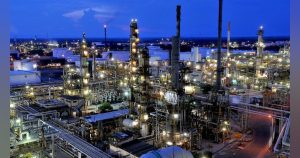
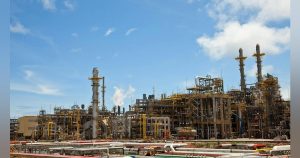
In a landscape where many operators are reportedly re-evaluating or even quietly canceling projects aimed at aggressive carbon emission reductions from their U.S. plants, Phillips 66 is charting a distinct course. Chairman and CEO Mark Lashier, speaking at a June 24, 2025, industry conference, reaffirmed the company’s broader transformational plan, emphasizing cost efficiency and competitive resilience. This strategy explicitly prioritizes “very high-return, quick-return projects” within conventional crude refining. Concrete examples of this focus include upcoming enhancements to improve low-sulfur diesel production at the Lake Charles complex. Furthermore, a recently completed project at Sweeny exemplifies this agility, successfully shifting the refinery’s feedstock from 40,000 b/d of heavy sour crude to a more advantageous 40,000 b/d of light Permian crude. These initiatives demonstrate a clear commitment to optimizing existing assets for maximum efficiency and profitability, a crucial factor in today’s volatile energy markets.
The California Conundrum and Future Land Use
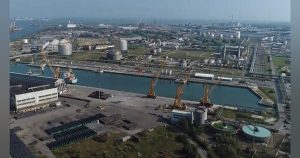
While Phillips 66 is doubling down on conventional refining improvements, the future of its soon-to-be-shuttered Los Angeles refinery presents a fascinating challenge and potential opportunity. Announced in October 2024, the decision to cease operations at the site during the fourth quarter of 2025 stems from a rigorous assessment of market conditions that rendered the manufacturing site non-viable and uncompetitive in the long term. Lashier highlighted the facility’s inherent disadvantages: it was configured to process dwindling California crude production, operated with a dual-site configuration, and faced significantly higher operating costs compared to its U.S. Gulf Coast counterparts – nearly double, in fact. The closure is primarily a cost-saving measure, freeing up sustaining capital and reducing controllable costs across the company’s refining fleet. Yet, the 650-acre site’s future remains uncommitted. Phillips 66 has acknowledged “great cooperation” with California authorities, including Governor Gavin Newsom and the California Energy Council, in exploring “higher-value uses” for the land. While renewable fuels, such as the Sustainable Aviation Fuel (SAF) produced at its 221,000 b/d Humber refinery in England, are a consideration, no definitive plans have been disclosed. This strategic ambiguity in a state aggressively pursuing decarbonization leaves a significant question mark for investors regarding the company’s long-term renewable footprint in the U.S.
Market Realities and PSX’s Positioning
Phillips 66’s strategic choices are deeply intertwined with current market realities, which continue to present a dynamic backdrop for refining operations. As of today, Brent crude trades at $95.21 per barrel, showing a modest 0.44% daily increase, while WTI crude fetches $91.76, up 0.53%. This stability, however, comes after a noticeable 14-day downtrend for Brent, which shed $9, or 8.8%, from $102.22 on March 25th to $93.22 on April 14th. Such price fluctuations directly impact refining margins and the economic viability of operations. Gasoline prices, currently at $3 per gallon and up 1.01% today, also play a critical role, influencing consumer demand and product spreads. The company’s decision to exit high-cost operations like the Los Angeles refinery, while simultaneously investing in projects that enhance the profitability of its core conventional assets, demonstrates a keen awareness of these market dynamics. This capital allocation strategy aims to fortify refining margins even amidst fluctuating crude and product prices, making the most of existing infrastructure before committing significant capital to unproven or lower-return ventures.
Investor Outlook and Upcoming Catalysts
Investors are keenly observing how Phillips 66’s strategy will unfold, particularly regarding the balance between conventional strength and future fuels. Our proprietary reader intent data reveals a strong interest in fundamental market drivers, with many investors currently seeking a clear base-case Brent price forecast for the next quarter, as well as the consensus 2026 Brent forecast. This appetite for price clarity underscores the market’s sensitivity to supply-demand dynamics, which directly influence refining profitability and the long-term viability assessments that underpin strategic decisions like PSX’s California pivot. Against this backdrop, several upcoming energy events will serve as crucial catalysts. Investors are keenly watching the upcoming OPEC+ meetings on April 18th (JMMC) and April 20th (Full Ministerial), which could signal shifts in global crude supply policy. The consistent flow of inventory data from API (April 21st, 28th) and EIA (April 22nd, 29th) will provide fresh insights into U.S. petroleum demand and supply balances. Additionally, the Baker Hughes Rig Count reports on April 17th and 24th will offer a forward-looking perspective on domestic production trends. Phillips 66’s disciplined capital allocation, focusing on projects with rapid returns in its conventional refining portfolio while strategically evaluating future uses for its California site, positions it to adapt to these evolving market conditions and potential policy shifts. The company’s ability to execute on these high-return projects and articulate a clear vision for the Los Angeles site will be critical for investor confidence in the coming quarters.