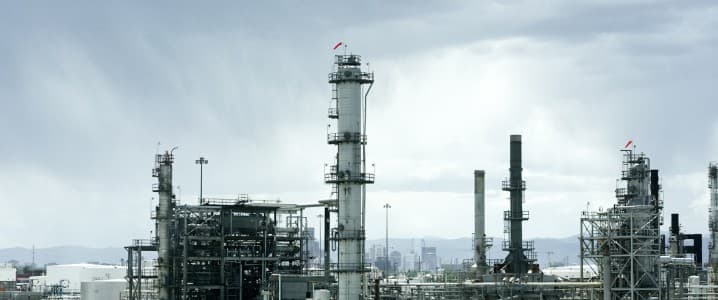
The U.S. refining landscape is undergoing a significant transformation, a reality underscored by Phillips 66’s strategic decision to cease operations at its Los Angeles-area refinery. This pivotal move, set to culminate in a full shutdown by the fourth quarter of 2025, signals a broader industry recalibration driven by shifting market dynamics and an evolving energy future. For investors tracking the downstream sector, this closure is more than just an operational change; it represents a tangible manifestation of the pressures and strategic adjustments facing major energy players.
Phillips 66, a prominent name in the U.S. energy market, has indicated that the long-term viability of its Los Angeles refinery has become increasingly uncertain. This assessment, rooted in prevailing market conditions, has led the company to initiate a substantial workforce reduction, with most employees at the facility slated for layoff starting in December. Currently, the refinery employs approximately 600 individuals and utilizes the services of around 300 contractors. While the majority will be impacted by the closure, a select number of retained workers will transition to Phillips 66’s Los Angeles marine oil terminal, highlighting the company’s commitment to maintaining essential infrastructure.
Strategic Rationalization and Workforce Impact
Phillips 66 Chairman and CEO Mark Lashier previously articulated the company’s understanding of the profound impact this decision will have on its employees, contractors, and the broader community. The company has pledged support during this transition, a critical consideration for stakeholders monitoring corporate responsibility alongside financial performance. This strategic pivot away from the Los Angeles refining asset reflects a broader industry trend where companies are optimizing portfolios, divesting from less profitable or strategically misaligned operations, and focusing on higher-value segments.
The Los Angeles refinery, a fixture in California’s industrial landscape, processes crude oil into various petroleum products essential for the region. Its closure points to challenging economics within California’s refining sector, which faces stringent environmental regulations, high operating costs, and evolving fuel demand patterns. These factors collectively contribute to a difficult operating environment, compelling companies like Phillips 66 to evaluate the sustained profitability of such assets.
California’s Refining Sector Under Pressure
Phillips 66’s action is not an isolated incident within California’s refining industry. The state, known for its progressive energy policies and ambitious decarbonization goals, is witnessing a broader contraction in its refining capacity. Just last month, Valero Energy, another major U.S. refiner, announced its intentions to idle, restructure, or completely cease refining operations at its Benicia Refinery in California by the end of April 2026. Valero’s ongoing evaluation of strategic alternatives for its California assets further underscores the systemic challenges confronting refiners in the state.
These closures collectively paint a clear picture for investors: the era of robust, unencumbered refining growth in California may be drawing to a close. Companies are actively responding to a combination of factors, including declining demand for traditional fuels as electric vehicle adoption accelerates, increasing costs associated with compliance with environmental mandates, and the inherent volatility of energy commodity markets. This environment necessitates agile portfolio management and a keen eye on future energy trends.
National Capacity Contraction and Investor Implications
The decisions by Phillips 66 and Valero contribute to a national trend of refinery capacity reduction across the United States. The Energy Information Administration (EIA) projects that U.S. refinery capacity will stand at approximately 17.9 million barrels per day (bpd) by the end of 2025. This figure represents a notable decrease of about 3% compared to the beginning of the current year. This contraction is also influenced by other significant closures, such as LyondellBasell’s Houston oil refinery.
For investors, this reduction in national refining capacity carries several key implications. A tighter supply-demand balance could potentially lead to higher refining margins for remaining operational facilities, especially during periods of strong demand or supply disruptions. However, it also signifies a strategic shift by major players away from certain refining assets, suggesting that the long-term outlook for some traditional refining operations is being reassessed. Companies are increasingly prioritizing assets that offer higher conversion capabilities, lower carbon intensity, or integration with renewable energy initiatives.
Furthermore, the closures highlight the ongoing energy transition’s impact on legacy fossil fuel infrastructure. As the world moves towards lower-carbon energy sources, the economic viability of traditional, large-scale crude oil refineries will continue to face scrutiny. Investors should monitor how refining companies are adapting their portfolios, investing in biofuels, renewable diesel, sustainable aviation fuel (SAF) production, or other alternative energy ventures to future-proof their operations.
The strategic decisions by Phillips 66 and Valero are not just about closing facilities; they are about repositioning for the future. For astute oil and gas investors, understanding these shifts provides critical insight into the evolving risk and reward profile of the downstream sector. The contraction in U.S. refining capacity, particularly in environmentally progressive regions like California, serves as a powerful indicator of the industry’s ongoing evolution and the imperative for companies to adapt to new market realities and regulatory landscapes.