Malaysia’s state-owned energy giant, Petronas, has taken a definitive stride into the sustainable aviation fuel (SAF) market, marking a significant milestone for both the nation and the broader Southeast Asian region. The recent delivery of the country’s first locally blended SAF to Malaysia Airlines is not merely a logistical achievement; it represents a strategic pivot and a substantial long-term investment in decarbonizing the aviation sector. This move positions Malaysia as a nascent leader in regional SAF supply, underpinning its commitment to national energy security and industrial growth under the 13th Malaysia Plan. For investors, this development signals a clear commitment from a major national oil company (NOC) to diversify its portfolio and capture value in the rapidly evolving energy transition landscape, despite the inherent complexities and market dynamics of new fuel technologies.
Malaysia’s Strategic Leap into SAF Production
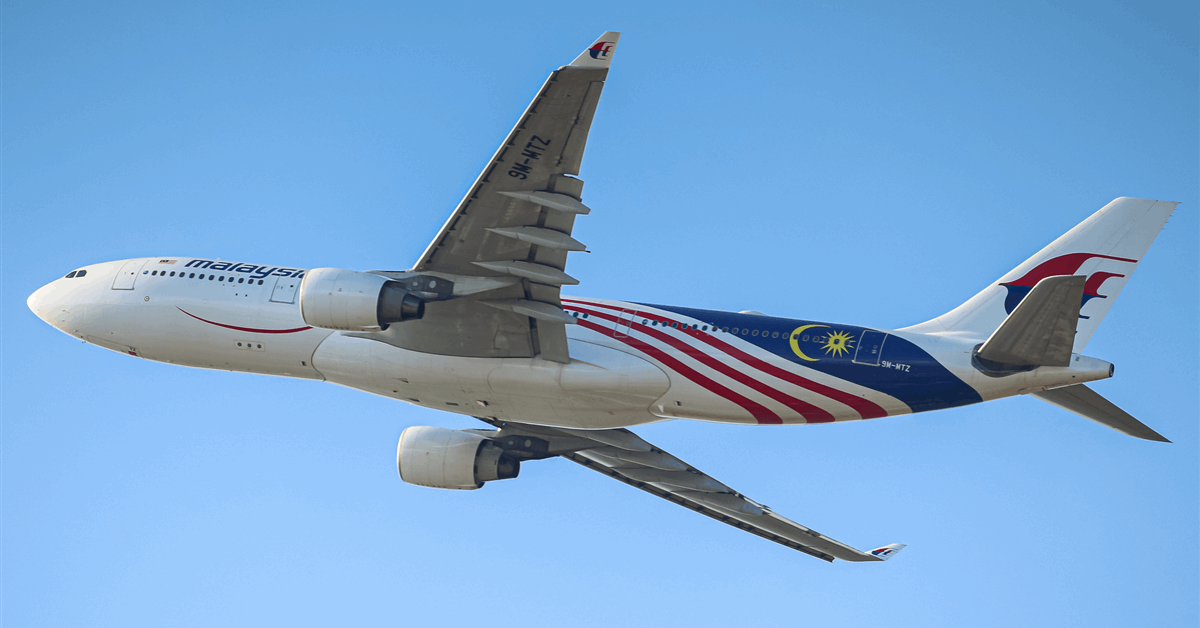
Petronas’s accomplishment in delivering the first locally blended sustainable aviation fuel is a testament to its forward-thinking strategy. This pilot project sees the International Sustainability & Carbon Certification (ISCC)-certified SAF, which also meets CORSIA-eligible fuel requirements, uplifted for Malaysia Airlines’ daily MH2 service from Kuala Lumpur to London. These crucial flights are scheduled to commence between September 1st and 16th, 2025, marking a tangible integration of SAF into regular commercial operations. The efficiency of this deployment is notable; the SAF was blended directly at Petronas’s facilities and delivered to Kuala Lumpur International Airport (KLIA) via the Malaysian Refining Company’s multi-product pipeline, ensuring a readily available supply through an integrated chain. This ‘in-house’ capability building, encompassing advancements in technology, infrastructure, and talent development, underscores Petronas’s ambition to provide reliable, cost-effective decarbonization solutions to its partners and customers.
The Pengerang Biorefinery: A Cornerstone Investment for Future Biofuels
Beyond the immediate SAF delivery, Petronas is making a substantial long-term bet on large-scale biofuel production. Last year, the company, in partnership with Italy’s state-controlled Eni SpA and Japan’s Euglena Co Ltd, reached a positive Final Investment Decision (FID) for a major biorefinery. This facility, strategically located within Petronas’s Pengerang Integrated Complex (PIC) in Johor, is targeted to commence operations in 2028. With a total processing capacity of 650,000 metric tons per year, it is designed to produce both sustainable aviation fuel and other biofuels like renewable diesel. The feedstock strategy is diverse and robust, initially focusing on used vegetable oils, animal fats, and waste from vegetable oil processing, with mid-term plans to explore biomass sources including microalgae oils. The biorefinery’s location within the PIC leverages existing integrated facilities and utilities, while its proximity to major international shipping lanes enhances its ability to serve global demand, particularly across Southeast Asia. A joint venture in Malaysia, with Petronas and Eni as the largest shareholders, will oversee this ambitious project.
SAF Economics Amidst a Shifting Crude Landscape
Investing in SAF, while critical for decarbonization, is not immune to the broader dynamics of the global energy market. As of today, Brent Crude trades at $98.17, reflecting a 1.23% decline within a daily range of $97.92 to $98.67. This current level follows a significant 12.4% drop over the past two weeks, where Brent retreated from $112.57 on March 27th to $98.57 on April 16th. Such volatility in conventional crude prices inherently impacts the cost-competitiveness of sustainable aviation fuel, which typically carries a higher production cost. Investors are keenly focused on the current Brent crude price and its trajectory, understanding that sustained lower oil prices could temporarily dampen the economic incentive for airlines to fully switch to SAF, even with growing environmental pressures. The challenge for SAF producers like Petronas is to achieve economies of scale and technological efficiencies that can mitigate this price disparity, ensuring SAF remains an attractive option regardless of short-term fluctuations in fossil fuel markets.
Forward Catalysts and Investor Watchpoints
The coming weeks hold several critical energy events that could further shape investor sentiment and crude price trajectories, indirectly influencing the SAF investment landscape. Investors are keenly focused on OPEC+ production quotas, with the Joint Ministerial Monitoring Committee (JMMC) meeting scheduled for April 18th, followed by the full Ministerial meeting on April 20th. Any signals regarding supply adjustments from these meetings could trigger significant shifts in crude prices. Additionally, weekly inventory reports from the API (April 21st, 28th) and EIA (April 22nd, 29th), alongside the Baker Hughes Rig Count (April 17th, 24th), will offer further insights into demand and supply fundamentals. For Petronas’s SAF initiatives, these macroeconomic factors will influence the broader investment thesis. While the long-term trajectory for aviation decarbonization and SAF adoption remains positive, driven by regulatory mandates and corporate sustainability goals, the immediate market environment shaped by these upcoming catalysts will dictate short-term financial performance and investor appetite for green energy ventures.
Investment Outlook: Decarbonization Driving Value in Southeast Asia
Petronas’s aggressive move into the SAF market signals a strategic imperative for National Oil Companies to diversify their revenue streams and align with global decarbonization efforts. This integrated approach, from local blending and pipeline delivery to a significant biorefinery investment with international partners, positions Petronas as a frontrunner in a critical growth sector. For investors, this represents a long-term play on the inevitable transition of the aviation industry towards sustainability. While the immediate economics of SAF can be challenged by crude price volatility, the fundamental demand drivers – regulatory pressure, consumer preference, and corporate commitments to net-zero targets – are robust and accelerating. Petronas’s proactive steps, leveraging its existing infrastructure and forming strategic alliances, are building a resilient value chain that could establish Malaysia as a key hub for sustainable fuels in Southeast Asia, creating substantial long-term value for stakeholders committed to the energy transition.


