Petronas Poised for Full Exit from Argentina’s Vaca Muerta Shale
The global energy investment landscape continues its relentless transformation, with sharp focus now turning to Argentina’s world-class Vaca Muerta shale play. Savvy oil and gas investors are closely monitoring reports indicating that Malaysia’s national energy powerhouse, Petronas, is actively evaluating a complete divestment from its Argentine shale oil interests. This strategic maneuver would signify Petronas’ full withdrawal from one of the planet’s most promising unconventional resource basins, aligning with a broader trend among several other international drilling giants.
For those tracking upstream opportunities, this potential exit presents a significant market event. The Vaca Muerta, renowned for its prolific hydrocarbon potential, is once again demonstrating its dynamic nature, offering both challenges and substantial rewards for discerning capital.
La Amarga Chica: A Strategic Asset Now in Play
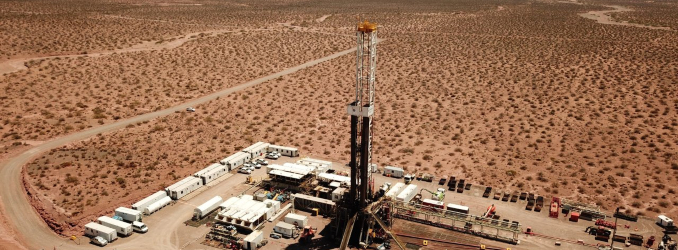
Petronas has reportedly initiated a formal process that could culminate in the sale of its substantial 50% operating interest in La Amarga Chica, a cornerstone Vaca Muerta development. This key joint venture, established in partnership with Argentina’s state-owned energy corporation, YPF SA, lies at the very heart of the region’s burgeoning oil production. The La Amarga Chica block spans an impressive 46,000 gross acres, with Petronas’ proportionate stake representing a significant 23,000 net acres within this highly prospective region.
Petronas’ original entry into this specific field dates back to 2014, a pivotal period when Argentina’s nascent shale industry began attracting substantial international capital and technological expertise. This impending transaction represents a compelling strategic acquisition opportunity for investors aiming to secure a mature, producing asset within a globally recognized, high-potential shale basin. Such a move allows a new operator to immediately capitalize on established infrastructure and production streams, minimizing greenfield development risks.
This isn’t Petronas’ initial step in optimizing its Argentine portfolio. Last year, the company already exited a separate collaborative venture with YPF, which had been focused on developing a project for the liquefaction and export of shale gas. This earlier departure underscores a more expansive strategic reassessment of Petronas’ global capital allocation priorities and its operational footprint within the South American nation, signaling a deliberate shift in its long-term investment strategy.
The Expanding Divestment Wave Across Vaca Muerta
Petronas’ contemplated departure resonates with a noticeable pattern among several international oil companies (IOCs) operating in the Vaca Muerta. Exxon Mobil Corp. has already successfully monetized its Argentine shale oil assets, a move that clearly demonstrated robust market demand for these strategic holdings. Similarly, Equinor ASA is reportedly exploring its own options for withdrawal, further indicating a wider trend of portfolio optimization and geographic recalibration among global energy players.
Adding to this evolving landscape, TotalEnergies, another major international operator with significant Vaca Muerta interests, has openly declared its willingness to divest its Argentine assets, provided it can secure valuations comparable to those achieved by Exxon. This collective movement among major energy firms suggests a fundamental re-evaluation of long-term strategic alignment and capital deployment across their global portfolios. Many IOCs are increasingly focusing on core assets or regions that align with their specific energy transition strategies or offer higher returns on invested capital.
As these international players potentially scale back their direct operational presence, the stage is increasingly being set for domestic Argentine companies to expand their footprint and capitalize on the substantial opportunities within the Vaca Muerta. This transformative shift could redefine the competitive dynamics, potentially favoring local expertise, operational efficiencies, and a deep understanding of the national regulatory environment. It creates an opening for local champions to consolidate and grow their market share, fostering a new era of indigenous hydrocarbon development.
Milei’s Economic Reforms and the Investment Outlook
The timing of these significant divestments is inextricably linked to Argentina’s evolving political and economic landscape, particularly under the administration of President Javier Milei. His government’s aggressive pursuit of market-oriented reforms, including deregulation, fiscal austerity, and efforts to stabilize the national currency, is profoundly influencing investor sentiment and strategic decisions within the energy sector.
Milei’s administration aims to create a more predictable and attractive investment climate by tackling chronic inflation, reducing state intervention, and fostering greater economic freedom. For energy investors, these proposed changes could translate into a more favorable operating environment, potentially reducing business risk and improving project economics. While the path to economic recovery is challenging, the long-term vision of a more open and stable Argentina is certainly a factor for both exiting and potential new entrants.
The Vaca Muerta, with its vast undeveloped potential and proven reserves, remains a cornerstone of Argentina’s economic future. The strategic adjustments by international players, while signifying a shift, also open doors for new capital – whether from domestic entities or other international firms – eager to participate in one of the world’s most promising unconventional resource plays. Investors are keenly watching to see if Milei’s reforms can truly unlock the full potential of Vaca Muerta, making it an even more compelling destination for upstream investment in the years ahead.