Petrobras Unlocks Major Gas Monetization, Doubling Processing Power in Brazil
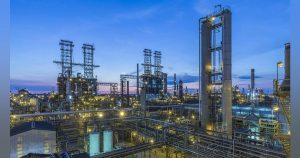
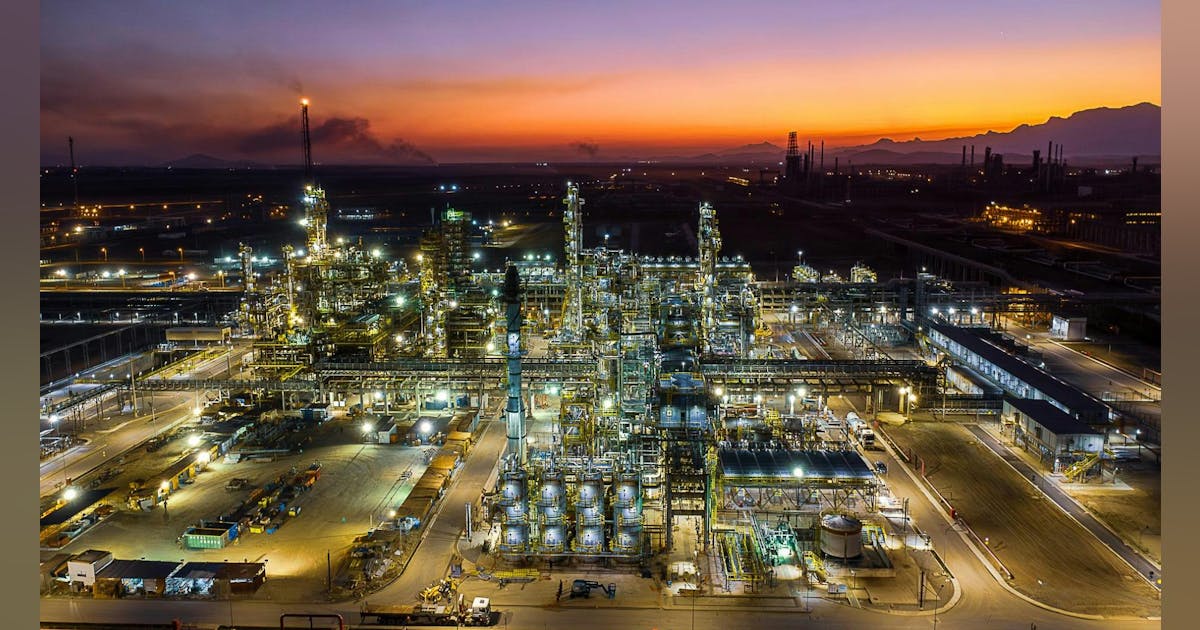
Petróleo Brasileiro SA (Petrobras) has executed a significant strategic maneuver, dramatically enhancing Brazil’s natural gas processing infrastructure. The full operational launch of the second natural gas processing unit (UPGN) at its Boaventura energy complex in Itaborai, Rio de Janeiro, represents a critical milestone. This achievement is central to the operator’s ambitious Route 3 integrated project (PIR3), a transformative initiative designed to streamline the transportation and processing of crucial associated gas from Brazil’s prolific offshore Santos basin presalt fields. For astute investors, this expansion signals a profound strengthening of Brazil’s energy independence and a fortified market position for Petrobras.
Strategic Capacity Doubling Bolsters Domestic Supply
The pivotal moment arrived on May 4, when Petrobras officially commenced commercial operations for the complex’s second processing train, adding an impressive 10.5 million cubic meters per day (MMcmd) to its capabilities. This decisive action, publicly announced the following day, May 5, instantly elevated the Boaventura UPGN’s total processing capacity for gas sourced from the Santos basin presalt to an formidable 21 MMcmd. This substantial uplift in infrastructure is a clear testament to Petrobras’s unwavering commitment to efficiently monetize its vast presalt gas reserves and significantly augment the nation’s domestic energy supply. The doubling of this capacity not only demonstrates operational efficiency but also underscores a strategic pivot towards maximizing value from an asset base crucial to Brazil’s future energy landscape.
Route 3 Pipeline Feeds Vital Energy Hub
The rich-gas feedstock for the Boaventura facility flows through a state-of-the-art, 355-kilometer PIR3 pipeline, engineered to handle an impressive 18 MMcmd. This extensive pipeline network includes 307 kilometers traversing the offshore environment and an additional 48 kilometers onshore, ensuring a robust and reliable supply chain. It efficiently gathers gas from some of Brazil’s most significant production areas, including the Tupi, Búzios, and Sapinhoá fields, recognized globally for their vast hydrocarbon potential. At the processing plant, this raw gas is transformed into at least three essential derivatives that serve critical regional markets: purified natural gas for industrial, commercial, and residential consumption; liquefied petroleum gas (LPG), commonly known as cooking gas, for household applications; and C5+ components, which are indispensable raw materials feeding both the burgeoning petrochemical industry and the broader fuel production sector. This diversification of output not only creates multiple revenue streams but also positions Petrobras as a multi-faceted energy provider.
Driving Cleaner Energy and Market Leadership
Petrobras emphatically states that the fully commissioned Boaventura UPGN stands as an indispensable pillar within its overarching PIR3 project strategy. This comprehensive initiative is meticulously designed to increase the availability of cleaner energy within the Brazilian market, aligning seamlessly with evolving global imperatives for a low-carbon transition. Concurrently, a primary objective of this project is the effective commercialization of associated gas production originating from the world-class presalt cluster. This strategic move is absolutely critical for diminishing Brazil’s historical reliance on imported energy, thereby fortifying the nation’s domestic energy independence and resilience. For investors, this dual focus on environmental responsibility and national energy security presents a compelling long-term value proposition.
Maurício Tolmasquim, Petrobras’s distinguished director of energy transition and sustainability, underscored the profound strategic significance of this monumental expansion. He articulated that the successful commencement of commercial operations for Bonaventura UPGN’s second train is “essential to increasing Petrobras’ competitiveness in the new dynamic and competitive environment of the national gas market.” This statement powerfully encapsulates the profound financial and strategic value embedded within the project, especially within Brazil’s rapidly evolving energy landscape where market dynamics are increasingly scrutinized. The ability to supply a greater volume of domestically processed gas provides a significant competitive edge, allowing Petrobras to capture a larger share of the growing demand while also potentially influencing pricing and supply stability.
Enhancing Operational Efficiency and Economic Impact
Beyond merely bolstering domestic supplies, the Route 3 integrated project profoundly enhances Petrobras’s operational efficiency and strengthens its position as a dominant force in the South American energy sector. By directly monetizing associated gas that was previously flared or reinjected at a higher cost, Petrobras improves its upstream economics and reduces its environmental footprint. This project not only signifies an investment in physical infrastructure but also represents a strategic commitment to optimizing the entire value chain from reservoir to consumer. The increased availability of natural gas and its derivatives stimulates various downstream industries, fostering economic growth and creating employment opportunities across Brazil. The long-term implications for the nation’s industrial development, particularly in energy-intensive sectors, are substantial.
The successful doubling of the Boaventura UPGN’s capacity is a clear signal to the market of Petrobras’s robust execution capabilities and its foresight in capitalizing on Brazil’s abundant natural gas resources. This project mitigates risks associated with global supply chain disruptions and volatile international energy prices, providing a stable, reliable, and cost-effective energy source for Brazil’s growing economy. Investors should view this expansion not just as an operational upgrade, but as a fundamental enhancement of Petrobras’s core business model, driving sustainable revenue growth and reinforcing its role as a cornerstone of Brazil’s energy future. The strategic integration of exploration, production, and processing ensures a streamlined pathway from resource discovery to market delivery, maximizing shareholder value and solidifying the company’s competitive advantage in a critical commodity market.