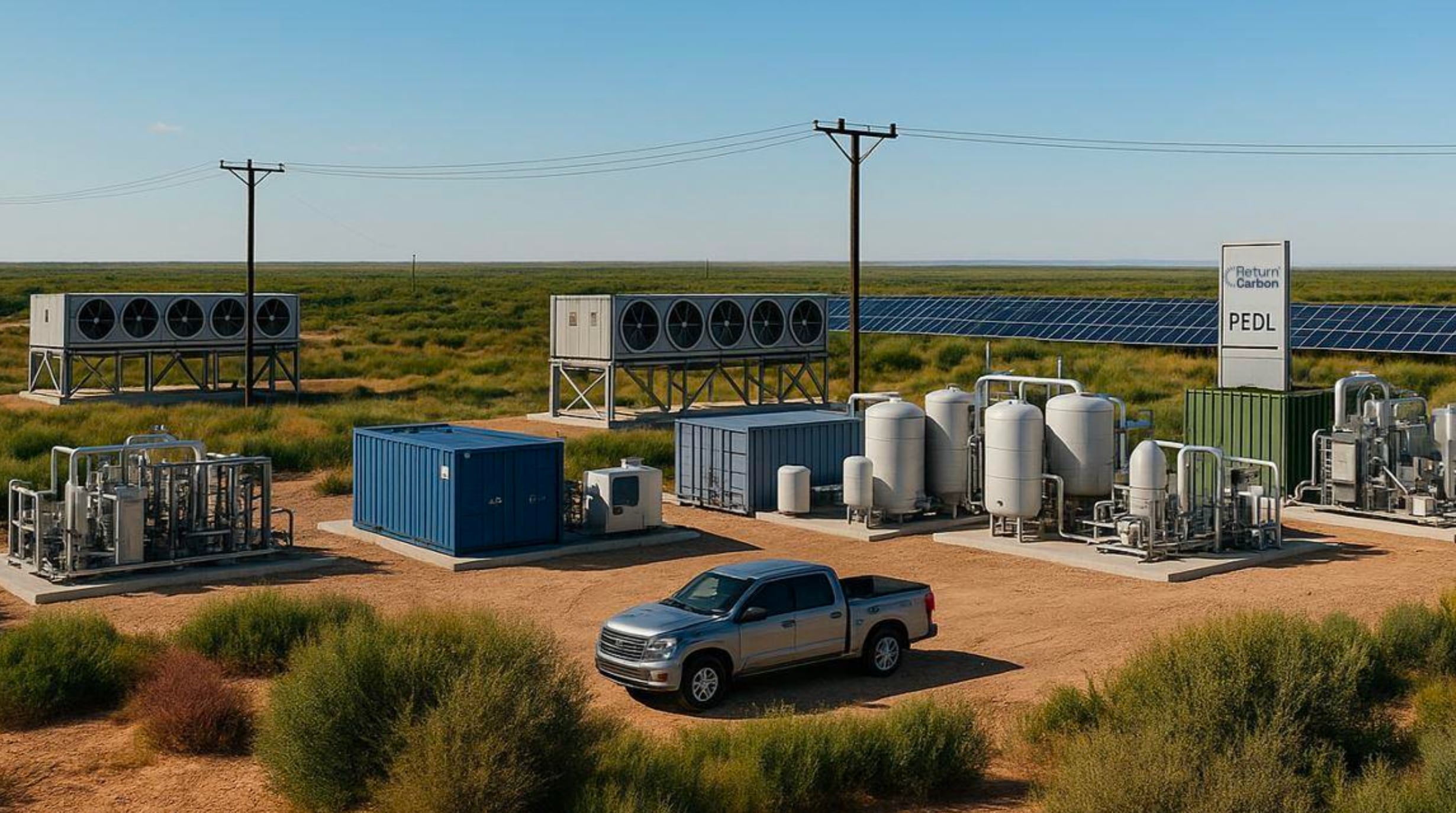
The Permian Basin, long the undisputed heartland of U.S. oil and gas production, is witnessing a profound evolution. Amidst global energy transition pressures and increasing demands for sustainable practices, initiatives that integrate traditional resource extraction with advanced environmental technologies are becoming critical. One such flagship endeavor is the Permian Integrated Energy System (PIES), launched in 2023 by the nonprofit consortium PEDL. Centered on a 320-acre site in Yoakum County, Texas, PIES is not merely an R&D project; it represents a strategic blueprint for scalable, replicable energy infrastructure designed to unlock long-term value for investors in the region by seamlessly blending renewables, carbon removal, and water reuse into a unified, efficient system.
The Permian’s Evolving Value Proposition Through PIES
The PIES initiative, under PEDL, is directly addressing a core challenge for the oil and gas sector: how to sustain production while simultaneously decarbonizing operations and enhancing resource efficiency. By integrating diverse energy processes, PIES aims to leverage natural resources more effectively, ultimately producing cleaner energy outputs. Dr. Derek Adams, Managing Director of PEDL’s PIES initiative, highlights its role as a “proving ground” for direct air capture (DAC) technologies, which are poised to transform the energy landscape across the Permian and beyond. This focus on practical implementation and technological validation is crucial for investors seeking tangible returns on sustainable energy investments. Furthermore, PEDL’s broader mandate extends to workforce training, economic development, and community resilience, ensuring that the benefits of energy innovation are widely distributed, securing the social license to operate for future projects and enhancing the overall investment environment.
De-risking Carbon Capture and Enhanced Oil Recovery (EOR) for Investors
A cornerstone of the PIES strategy is its aggressive approach to carbon capture and storage. The initial phase at the Trinity Campus is designed to capture and store approximately 10,000 tons of CO2 annually. This serves as a vital foundation for much larger-scale DAC deployment, with a second phase projected to capture between 100,000 and 500,000 tons of CO2 per year. This phased development allows for continuous learning and de-risking of technologies, a critical factor for investor confidence in a nascent but rapidly growing market. Return Carbon, a key partner, emphasizes the move from conceptual designs to commercial performance, recognizing the Permian’s unique climate and geological attributes as ideal for validating these technologies. Crucially, PEDL and Roosevelt Resources are collaborating on an innovative enhanced oil recovery (EOR) and carbon sequestration initiative. This partnership positions captured CO2 as an initial storage pathway, creating a dual benefit: reducing emissions while simultaneously boosting oil recovery. For investors, this represents a potent combination of environmental stewardship and enhanced asset value, mitigating potential future carbon liabilities while increasing current production efficiency. The establishment of standardized and independently verified testing conditions at the Trinity Campus directly addresses investor and buyer trust, accelerating the commercialization of these vital technologies.
Navigating Market Volatility: A Backdrop for Permian Innovation
The backdrop for this groundbreaking initiative is a dynamic and often volatile global energy market. As of today, Brent crude trades at $94.68 per barrel, reflecting a -0.84% dip within a daily range of $93.87-$95.69. WTI crude follows a similar trajectory at $86.34, down -1.24% with a range of $85.5-$86.78. This snapshot reflects a broader trend; the 14-day Brent trend has seen a significant pullback, dropping from $118.35 on March 31st to $94.86 on April 20th, a decline of nearly 20%. Such fluctuations naturally lead investors to question market direction, with common queries from our readers, such as “is WTI going up or down?” and “what do you predict the price of oil per barrel will be by end of 2026?” In this environment of price uncertainty, projects like PIES offer a compelling value proposition. By integrating efficiency gains, carbon capture, and water reuse, they insulate assets from future carbon taxes, stricter regulations, and operational cost inflation. This forward-thinking approach provides a hedge against commodity price volatility, demonstrating a pathway to resilient returns even when spot prices are under pressure. Investing in the Permian’s energy transition isn’t just about environmental compliance; it’s about securing the long-term economic viability and social license of critical energy assets.
Future Catalysts and Strategic Outlook for Permian Investment
The phased development of the PIES project provides clear milestones for investors to track, moving from pilot-scale validation at the Trinity Campus to significant commercial-scale deployment. The success of this initiative will be intertwined with broader market dynamics and upcoming industry events. Over the next two weeks, the OPEC+ JMMC Meeting on April 21st will offer crucial insights into global supply policy, directly impacting crude benchmarks. Subsequent EIA Weekly Petroleum Status Reports on April 22nd and 29th, alongside Baker Hughes Rig Counts on April 24th and May 1st, will provide granular data on U.S. inventory levels, demand trends, and drilling activity within the Permian itself. These data points collectively inform investor sentiment and capital allocation decisions for the region. Looking further ahead, the EIA Short-Term Energy Outlook on May 2nd will offer macro forecasts that could shape investment theses for the remainder of 2026 and beyond. For investors asking about the end-of-year oil price, it’s clear that while short-term movements are influenced by these immediate data releases, the strategic positioning of Permian assets through initiatives like PIES offers a long-term value proposition that transcends daily price swings. By demonstrating leadership in integrated, sustainable energy solutions, the Permian Basin continues to solidify its position not just as a global production leader, but also as an innovation hub, attracting capital focused on the future of energy.