Permian Gas Output Spurs Pipeline Investment Boom
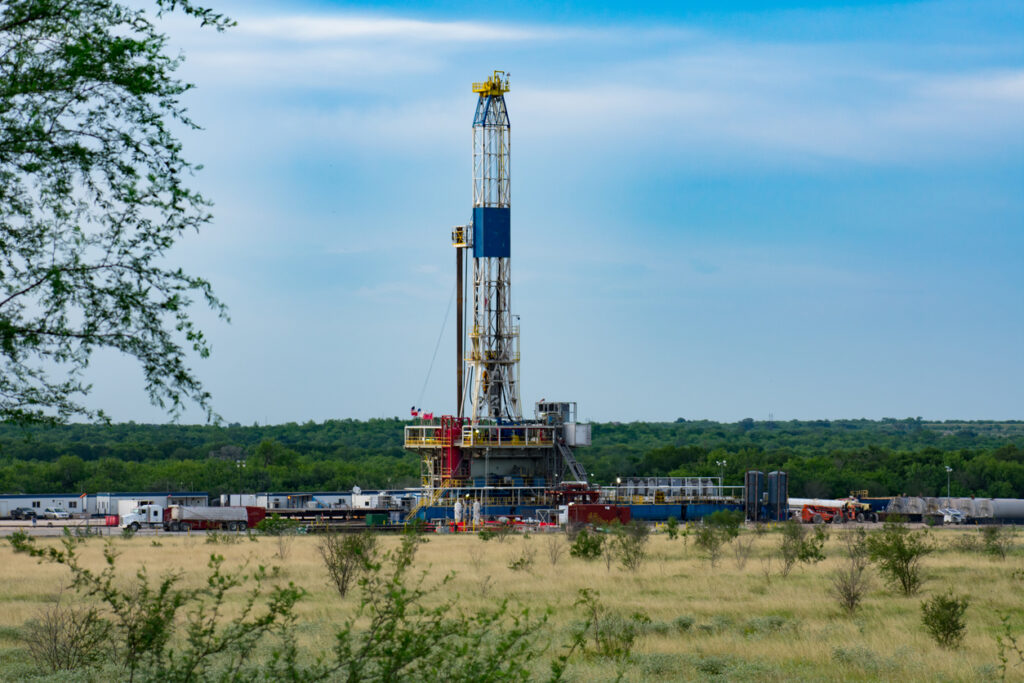
The Permian Basin, long celebrated as America’s crude oil engine, is simultaneously generating an unprecedented surge in natural gas production. This abundance, coupled with robust domestic and international demand, is igniting a significant investment boom in pipeline infrastructure along the U.S. Gulf Coast. Investors are witnessing a strategic inflection point where the necessity of unlocking Permian gas resources is aligning with strong market pull from diverse sectors, creating compelling opportunities in energy midstream assets.
A Strategic Shift: Demand Pull Drives Infrastructure Investment
The current wave of pipeline development marks a fundamental departure from historical cycles. Traditionally, producers spearheaded pipeline projects to connect new supply to existing markets. Today, the impetus for expansion originates primarily from burgeoning demand centers. Liquefied Natural Gas (LNG) exporters, anticipating a dramatic increase in global demand and with more than half a dozen new export facilities projected to commence operations by the end of the decade, are driving significant commitments. Concurrently, surging domestic consumption from the chemical and manufacturing industries, alongside the voracious energy appetite of newly established data centers, creates a powerful demand pull. This confluence has led to an impressive $50 billion in committed investments for new gas pipelines, set to add approximately 8,800 miles of new capacity across the nation, predominantly focused on linking Permian supply to Gulf Coast demand.
Permian’s Production Paradox and Market Context
The rapid growth of Permian oil production inherently leads to a substantial increase in associated natural gas output. For some time, this has created a logistical challenge, with gas production often outpacing available takeaway capacity. This imbalance has frequently resulted in negative pricing at key regional hubs like Waha in West Texas, forcing producers to pay to dispose of their gas and leading to increased flaring. This operational pressure underscores the critical need for expanded infrastructure. As of today, the broader energy market faces its own volatility; Brent crude trades at $90.64, reflecting an 8.8% daily decline, while WTI crude sits at $83.08, also down 8.87%. This follows a notable 12.4% drop in Brent prices over the past two weeks, from $112.57 to $98.57. While natural gas fundamentals are distinct, these crude price movements influence overall investor sentiment in the energy sector. Sustained drilling activity in the Permian, directly tied to oil prices, will continue to generate significant associated gas volumes, making the investment in gas takeaway capacity an imperative, rather than just an opportunity, for the region’s producers.
Investor Outlook and Addressing Key Questions
Investors are keenly observing the dynamics shaping the future of energy markets. A recurring question among our readers this week concerns the trajectory of oil prices, with many asking for predictions on crude per barrel by the end of 2026. While forecasting exact prices is inherently complex, the underlying strength of demand for natural gas, insulated to some extent from the extreme volatility seen in crude, provides a more stable investment thesis for gas infrastructure. Furthermore, inquiries about OPEC+ production quotas are frequent, highlighting the perceived impact of global supply management on energy prices. Any adjustments by OPEC+ directly influence crude supply, which in turn affects Permian drilling economics and, consequently, associated gas volumes. The favorable regulatory landscape in Texas and Louisiana, coupled with strong federal support for energy infrastructure, de-risks these pipeline projects, making them attractive to institutional capital. Next year, a total of 12 new or expanded gas pipeline projects are slated for completion across Texas, Louisiana, and Oklahoma. This expansion is projected to boost the U.S. Gulf Coast region’s natural gas transport capacity by an impressive 13%, representing the largest annual increase since the dawn of the shale gas boom in 2008.
Navigating Upcoming Catalysts and Future Supply Dynamics
The coming weeks present several key events that could influence the energy investment landscape and, by extension, the outlook for Permian gas and its associated infrastructure. The OPEC+ Joint Ministerial Monitoring Committee (JMMC) meeting today, April 17th, followed by the full Ministerial Meeting tomorrow, April 18th, could signal shifts in crude production policy. While primarily impacting oil prices, these decisions indirectly affect Permian drilling intensity and thus the volume of associated gas brought to market. Investors should also closely monitor the weekly API Crude Inventory data on April 21st and 28th, and the EIA Weekly Petroleum Status Reports on April 22nd and 29th. These reports offer crucial insights into inventory levels and demand trends, informing market sentiment. Perhaps most directly relevant to Permian gas supply is the Baker Hughes Rig Count, scheduled for release on April 24th and May 1st. A sustained increase in active drilling rigs in the Permian would further underscore the necessity and long-term viability of the ongoing pipeline buildout, as it signifies continued growth in associated gas volumes requiring efficient takeaway capacity. These upcoming events provide critical data points for investors assessing the long-term stability and growth potential of natural gas midstream assets.