The energy investment landscape is perpetually in flux, yet some foundational truths endure. A recent announcement from Panasonic, a global industrial titan, serves as a stark reminder of the often-unseen financial turbulence within certain “green” technology sectors. The company has formally notified its installation partners of its complete withdrawal from the residential solar panel and battery storage markets, a strategic pivot that, from an oil and gas investment perspective, underscores the enduring economic realities favoring traditional energy assets.
Panasonic’s Strategic Retreat from Residential Green Tech
On April 28, Panasonic conveyed to its North American installation network a decisive exit from its residential solar and battery storage endeavors. A letter, personally signed by Naoki Kamo, President of Panasonic Eco Systems North America, explicitly stated this strategic decision. While the communication affirmed the company’s belief in the underlying potential of solar and energy storage technologies, it candidly admitted that these particular segments no longer aligned with Panasonic’s broader business objectives at this juncture. This is not a reflection of product performance or partner commitment, but rather a cold, hard business calculation in a fiercely competitive market.
For investors monitoring the broader energy transition, Panasonic’s move is highly illustrative. It highlights the significant capital intensity, razor-thin margins, and relentless price competition that characterize the residential renewable energy sector. Even a company with Panasonic’s storied history and technological prowess finds it difficult to sustain profitable operations in this space, especially against the backdrop of aggressive state-subsidized competition from Asian manufacturers.
Honoring Commitments While Shifting Focus
Despite this significant divestment, Panasonic has pledged to uphold its existing obligations. The company will honor all warranties for its solar and storage systems, including those on projects not yet fully installed. Furthermore, it committed to providing ongoing support and clear guidance on third-party warranty coverage, accessible through its dedicated website and email channels. This responsible winding-down process is crucial for maintaining brand integrity, even as the company reallocates resources away from this particular market segment.
This commitment to legacy support, while admirable, does not mask the underlying strategic imperative. Panasonic, like any shrewd global conglomerate, is constantly evaluating where its capital can generate the most substantial and sustainable returns. The decision to abandon residential solar and storage, despite its environmental appeal, speaks volumes about the challenging economics of the sector, a narrative that often gets overlooked amidst the broader push for decarbonization.
A Rich Solar Heritage, A Challenging Present
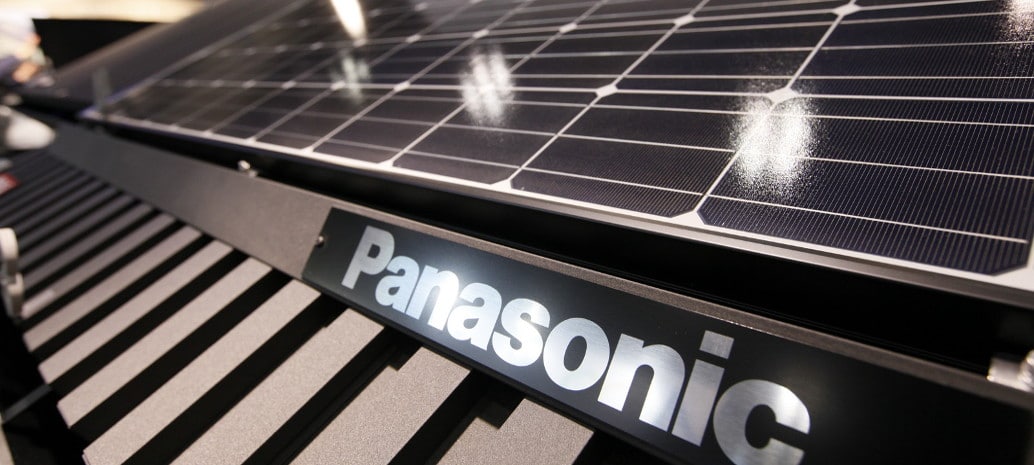
Panasonic’s journey in the solar industry has been a long and distinguished one, dating back to its acquisition of Sanyo in 2009. Sanyo was a true pioneer, particularly in heterojunction solar cell technology. Its HIT (heterojunction with intrinsic thin-layer) modules, first launched commercially in 1997, represented a significant leap forward in solar panel efficiency and performance. These innovative cells featured a unique hybrid structure, combining a thin mono-crystalline silicon wafer encased by ultra-thin amorphous silicon layers – a design celebrated for its robust performance, especially in high-temperature conditions and real-world operational environments.
Post-acquisition, these advanced HIT modules were rebranded under the Panasonic name, solidifying the company’s position as a premium provider in residential solar. The product line later expanded to include Evervolt battery systems and high-efficiency, all-black HJT modules boasting conversion efficiencies exceeding 22%. Yet, even with superior technology, the economic pressures proved insurmountable. Panasonic progressively transitioned away from in-house manufacturing, opting instead for OEM partnerships. This shift was a direct response to intense cost competition, predominantly from Chinese suppliers, which systematically eroded profit margins across the global solar market.
The writing was on the wall for some time. By 2021, Panasonic officially ceased its solar panel manufacturing operations. A final product release under the Panasonic brand followed, even after the intellectual property for its solar modules had been sold. Despite this retreat, Panasonic’s legacy modules continue to hold a strong market position, remaining among the top sellers in the U.S. residential segment – a testament to their quality, but also a stark reminder that even superior products can be squeezed out by market economics.
The Pivot to EV Batteries: A Different Shade of Green Investment
While exiting residential solar, Panasonic is far from abandoning its broader clean energy ambitions. The company remains heavily invested in battery cell manufacturing, particularly for the burgeoning electric vehicle (EV) market. A prime example is its colossal $4 billion battery facility in Kansas, announced in 2022 and slated for completion in the first half of 2025. This strategic pivot signals a belief in the EV sector’s long-term growth and potential for more defensible margins, albeit still within a highly capital-intensive and competitive landscape. The company also continues to engage in other renewable technologies, such as heat pumps.
For energy investors, this differentiation is critical. Investing in EV battery manufacturing, with its massive scale requirements, complex supply chains, and dependence on critical minerals, presents a distinct risk-reward profile compared to the fragmented, consumer-facing residential solar market. While both are “green,” their industrial and financial characteristics are vastly different. The success of Panasonic’s EV battery venture will depend heavily on sustained automotive demand, raw material price stability, and the ability to outcompete a growing field of global battery manufacturers.
Implications for Oil and Gas Investors: Enduring Fundamentals
Panasonic’s strategic withdrawal from residential solar and storage offers a powerful narrative for oil and gas investors. It underscores a fundamental truth: not all “green” investments are created equal, and many face significant hurdles in achieving sustainable profitability. The residential solar market, despite its environmental benefits, has proven to be a difficult arena for even well-capitalized, technologically advanced players.
This situation reinforces the investment case for the bedrock of the global energy supply: oil and natural gas. These sectors, while facing their own set of environmental and regulatory challenges, continue to benefit from robust global demand, established infrastructure, and often more stable financial metrics. When a company like Panasonic, with its deep pockets and engineering prowess, decides to exit a “green” segment due to it being “no longer the right business fit,” it signals that the economic realities of energy production and delivery are paramount.
For investors focused on tangible returns and resilient cash flows, the struggles in parts of the renewable sector can highlight the relative strength and fundamental necessity of hydrocarbon assets. Oil and gas companies, particularly those with strong balance sheets, efficient operations, and a focus on shareholder returns, remain critical components of a diversified energy portfolio. The energy transition is real, but it is also complex, expensive, and non-linear. Strategic retreats by major players like Panasonic serve as critical reminders that market forces, profitability, and capital efficiency ultimately dictate where investment capital flows, and often, that flow continues to support the vital role of traditional energy sources.