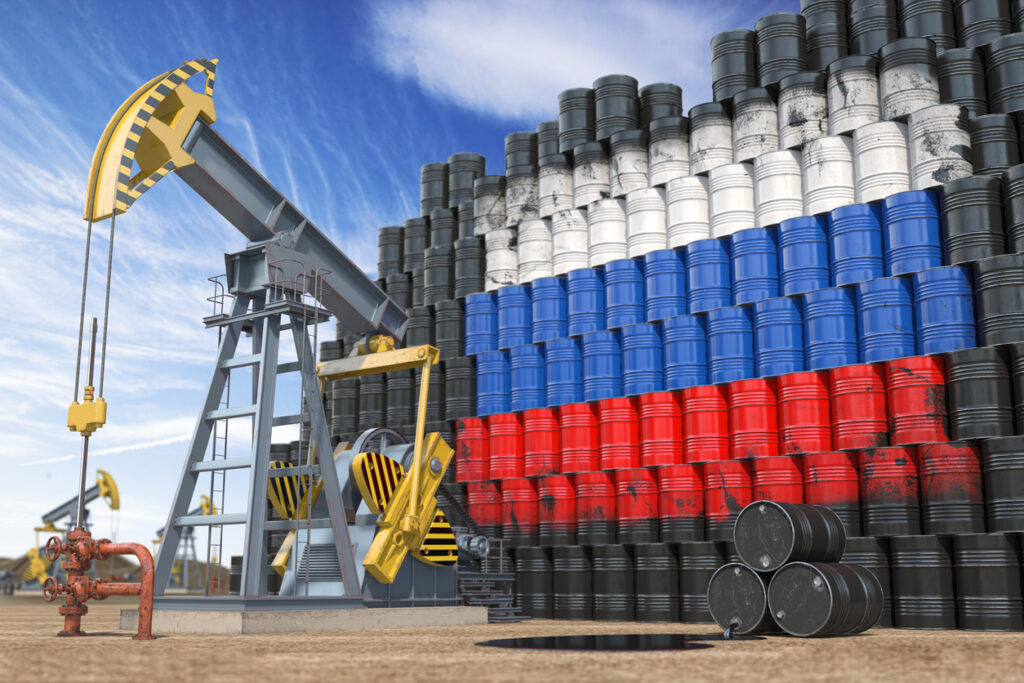
In a significant move poised to reshape regional energy dynamics and global crude flows, Pakistan and Russia are actively engaged in discussions for a comprehensive oil sector cooperation agreement. This dialogue, confirmed by Pakistani Finance Minister Muhammad Aurangzeb, extends beyond mere crude supply to encompass exploration, production, and refining. For Russia, these talks represent a strategic continuation of its pivot towards new markets in the East, seeking reliable outlets amidst Western sanctions. For Pakistan, the potential agreement offers a crucial pathway to securing cheaper crude supplies and accelerating the development of its nascent oil, gas, and minerals industry, a critical step for a nation navigating economic challenges and burgeoning energy demand. This evolving partnership warrants close attention from investors monitoring shifts in the global energy landscape and the emergence of new supply corridors.
Geopolitical Realignment: Russia’s Strategic Imperative Meets Pakistan’s Energy Needs
The proposed energy pact between Pakistan and Russia is a clear manifestation of broader geopolitical realignments. Russia, facing continued pressure from Western sanctions, has aggressively sought new avenues for its crude exports. This has led to deepening energy ties with various Asian nations, with Pakistan emerging as a key partner. The relationship solidified in 2023 when Pakistan began importing Russian crude, notably settling payments in Chinese yuan, signaling a diversification away from traditional financial mechanisms and a strengthening of non-Western trade blocs.
Pakistan’s motivations are equally compelling. The nation is intensely focused on securing stable, cost-effective energy resources to fuel its economic growth and manage persistent balance of payments issues. Beyond direct crude imports, Pakistan is eager to leverage Russia’s extensive expertise in upstream and downstream operations. Discussions have specifically touched upon potential Russian participation in upgrading Pakistani refineries, a move that could significantly enhance the country’s domestic processing capabilities and reduce reliance on imported refined products. High-level engagements, including meetings between Prime Minister Shehbaz Sharif and President Vladimir Putin, as well as focused talks between Pakistan’s Petroleum Minister Ali Pervaiz Malik and top Russian energy executives, underscore the strategic importance both nations place on this burgeoning energy alliance, extending to LNG and LPG supply opportunities.
Navigating Volatility: Current Market Dynamics and Supply Chain Resilience
The urgency behind Pakistan’s pursuit of cheaper crude is underscored by the current volatility in global oil markets. As of today, Brent crude trades at $91.87 per barrel, marking a significant 7.57% decline on the day. Similarly, WTI crude has seen a sharp drop to $84, down 7.86% within the same trading session. This downward pressure comes after a period of notable fluctuation; Brent, for instance, had already retreated over 12% in the 14 days leading up to April 16th, falling from $112.57 on March 27th to $98.57. Such sharp movements highlight the precarious nature of global supply chains and the strategic advantage of securing long-term, stable agreements, particularly for nations sensitive to import costs like Pakistan.
For investors, this environment creates both challenges and opportunities. While daily price swings can be jarring, the underlying trend reveals a market continually balancing supply anxieties with demand uncertainties. Agreements like the one being discussed between Pakistan and Russia contribute to the reshaping of global crude flows, potentially offering more diversified options for buyers and new markets for sellers. The implications extend beyond just crude; a reliable partnership in exploration and production could enhance Pakistan’s energy independence, creating long-term value and stability that can insulate the domestic economy from international price shocks.
Pakistan’s Domestic Energy Ambitions: Accelerating Exploration and Refining
While securing cheaper crude imports is a short-term imperative, Pakistan’s long-term energy strategy heavily relies on boosting its domestic exploration and production capabilities, alongside upgrading its refining infrastructure. The nation has recently demonstrated significant commitment to this goal. Early this month, Pakistan signed five new deals for oil and gas exploration with local private and state-owned companies, targeting three offshore and two onshore blocks. Furthermore, last month saw the successful auction of 40 offshore blocks, attracting 23 bids from four consortia that included both local energy firms and Turkey’s state-owned energy major TPAO.
This domestic drive creates fertile ground for Russian expertise. The discussions between the two nations specifically highlight Russian strengths in exploration, production technology, and refining. Potential collaboration could involve technology transfers, digital solutions for enhancing exploration and production efficiency, and direct investment in Pakistani upstream projects. Such partnerships are crucial for Pakistan to unlock its full hydrocarbon potential and develop a more robust, self-sufficient energy sector. Investors should view these developments as critical indicators of Pakistan’s commitment to long-term energy security, creating potential growth avenues for companies involved in E&P services, infrastructure development, and refining technology.
Investor Outlook: Forward Catalysts and Strategic Positioning in a Dynamic Market
As investors look to position themselves in the evolving energy landscape, key questions persist, particularly regarding the future trajectory of crude prices. Our proprietary intent data indicates a strong interest in “what do you predict the price of oil per barrel will be by end of 2026?” and inquiries about “OPEC+ current production quotas.” These questions are highly relevant given the upcoming energy calendar and ongoing geopolitical shifts.
The immediate focus for market participants will be the highly anticipated OPEC+ Joint Ministerial Monitoring Committee (JMMC) meeting tomorrow, April 17th, followed by the full Ministerial meeting on April 18th. Any decisions regarding production levels from these gatherings will undoubtedly inject significant volatility into crude prices, directly influencing the economic calculus of agreements like the one between Pakistan and Russia. Beyond OPEC+, crucial insights into supply and demand balances will come from the API Weekly Crude Inventory reports on April 21st and 28th, and the EIA Weekly Petroleum Status Reports on April 22nd and 29th. These data releases, alongside the Baker Hughes Rig Count on April 24th and May 1st, provide vital signals on the health of global production and consumption.
For investors, the Pakistan-Russia energy discussions, against this backdrop of market volatility and upcoming catalysts, represent a long-term strategic play. While the immediate impact on global oil prices may be limited, the agreement signifies a deeper structural shift in energy trade routes and partnerships. Companies with exposure to emerging markets, those specializing in E&P technology, or firms with a footprint in refining upgrades stand to benefit from these evolving dynamics. Monitoring the outcomes of upcoming OPEC+ meetings and global inventory data will be critical in assessing the broader market environment that will shape the success and expansion of such bilateral energy alliances through 2026 and beyond.