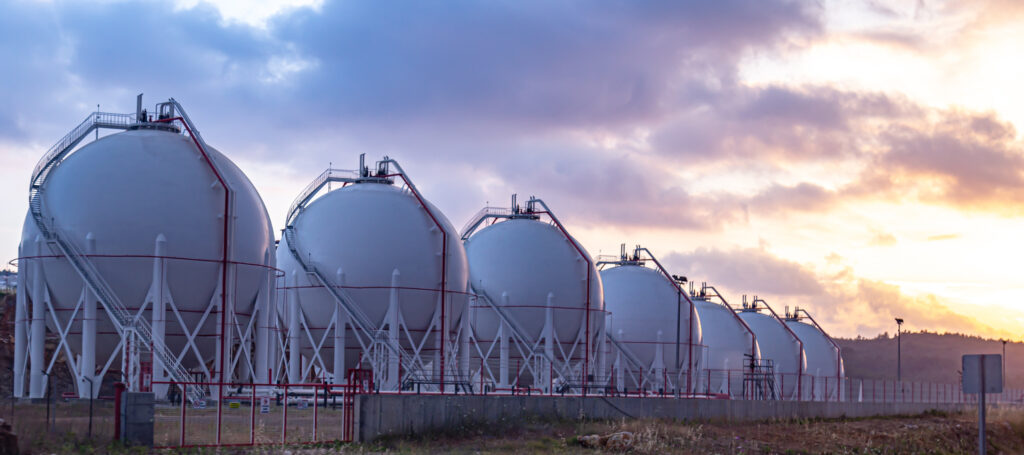
The proposed Penn America Energy (PAE) liquefied natural gas (LNG) export facility on Pennsylvania’s Delaware River presents a compelling, albeit challenging, investment proposition within the evolving global energy landscape. With an ambitious plan to export 7.2 million tons of LNG annually, this project aims to leverage the vast, low-cost natural gas resources of the Marcellus Shale, positioning itself as a strategic gateway for American energy to key international markets. As investors increasingly scrutinize capital-intensive infrastructure projects against a backdrop of volatile commodity prices and complex regulatory environments, understanding the unique advantages and hurdles facing PAE is paramount. This analysis delves into the project’s strategic positioning, the significant permitting and logistical challenges, its interaction with current market dynamics, and how upcoming energy events could shape its long-term viability and investor appeal.
Strategic Location and Logistical Advantages
PAE’s vision for an LNG export terminal on the Delaware River is underpinned by several compelling logistical advantages. Foremost is its direct proximity to the Marcellus Shale, one of the most prolific natural gas basins in the world. This geographical advantage minimizes upstream transportation costs and ensures a robust, low-cost supply feedstock, a critical factor in the competitiveness of any LNG export facility. Furthermore, the company highlights shorter shipping distances to European and other key global LNG markets compared to existing or planned terminals along the U.S. Gulf Coast. This translates directly into lower shipping costs and reduced transit times, potentially offering a more attractive landed price for international buyers. The recent deepening of the Delaware River ship channel further enhances the region’s capacity for global marine commerce, preparing the waterway for the large vessels required for LNG transport. For investors evaluating the long-term economics of LNG exports, these inherent efficiencies in sourcing and delivery represent a significant differentiator for the proposed 7.2 million tons per annum facility.
Navigating the Permitting Labyrinth Amidst Market Volatility
Despite its strategic advantages, the Penn LNG project faces substantial headwinds, primarily in the form of complex permitting processes and local opposition. Developing an industrial-scale energy project in the densely populated Northeast is inherently more challenging than in regions like the Gulf Coast, requiring extensive political and community support, particularly concerning pipeline infrastructure and terminal siting. While PAE has actively engaged with White House officials to secure federal backing, state and local permits, often influenced by community sentiment, remain critical hurdles. This intricate regulatory environment is unfolding against a backdrop of significant market volatility. As of today, Brent crude trades at $90.38 per barrel, marking a sharp 9.07% decline within the day, with WTI crude similarly impacted, trading at $82.59, down 9.41%. This intraday dip extends a broader trend where Brent has fallen by approximately 18.5% over the past 14 days, from $112.78 to $91.87. Such fluctuations, coupled with rising construction costs exacerbated by tariffs on materials like steel and aluminum, inject considerable uncertainty into the financial modeling for new, large-scale energy infrastructure. Investors must weigh the long-term demand for LNG against the immediate capital expenditure risks and the potential for permitting delays to inflate project costs further.
Investor Sentiment and Forward Catalysts
Our proprietary reader intent data reveals investors are keenly focused on the future trajectory of oil and gas prices, with common queries ranging from “what do you predict the price of oil per barrel will be by end of 2026?” to “What are OPEC+ current production quotas?” These questions underscore a broader concern about global supply-demand balances and their impact on long-term energy investment. For a project like Penn LNG, the sustained demand for natural gas and the stability of global energy markets are paramount. The immediate future of global energy markets will be shaped by critical events starting this weekend with the OPEC+ JMMC meeting on April 18th, followed by the full Ministerial meeting on April 19th. Decisions from these gatherings regarding production quotas will ripple through the entire energy complex, influencing crude prices, and by extension, the economic attractiveness of new natural gas export capacity. Further insights into market fundamentals will come from the API and EIA Weekly Crude Inventory reports on April 21st and 22nd, and again on April 28th and 29th, alongside the Baker Hughes Rig Count on April 24th and May 1st. These scheduled data releases will offer crucial signals on U.S. supply dynamics, which, while focused on crude, often provide leading indicators for broader energy sector sentiment and investment appetite for projects like PAE’s.
The Path Forward for US LNG Dominance
The Penn LNG project is not an isolated endeavor but part of a larger trend of U.S. ambition to solidify its position as a dominant global LNG exporter. Developers across the nation have been taking final investment decisions on new facilities, with several projects anticipated to reach this milestone in 2025, following recent approvals like Woodside’s Louisiana LNG. This competitive landscape means that PAE must not only overcome its unique regional challenges but also demonstrate superior economics and execution to attract capital. The project’s success hinges on a dual imperative: navigating the intricate web of state and local permits while maintaining the high-level federal support that the current administration appears keen to offer for “unleashing America’s energy resources.” For investors, the long-term thesis for US LNG remains robust, driven by global energy security concerns and the ongoing transition away from higher-emission fuels. However, the path from concept to commercial operation for Penn LNG will demand exceptional stakeholder management, financial discipline, and a resilient strategy to mitigate the inherent risks of a major infrastructure project in a politically and environmentally sensitive region.