Australia’s Energy Policy Pivot: A Pragmatic Shift Redefining O&G Investment
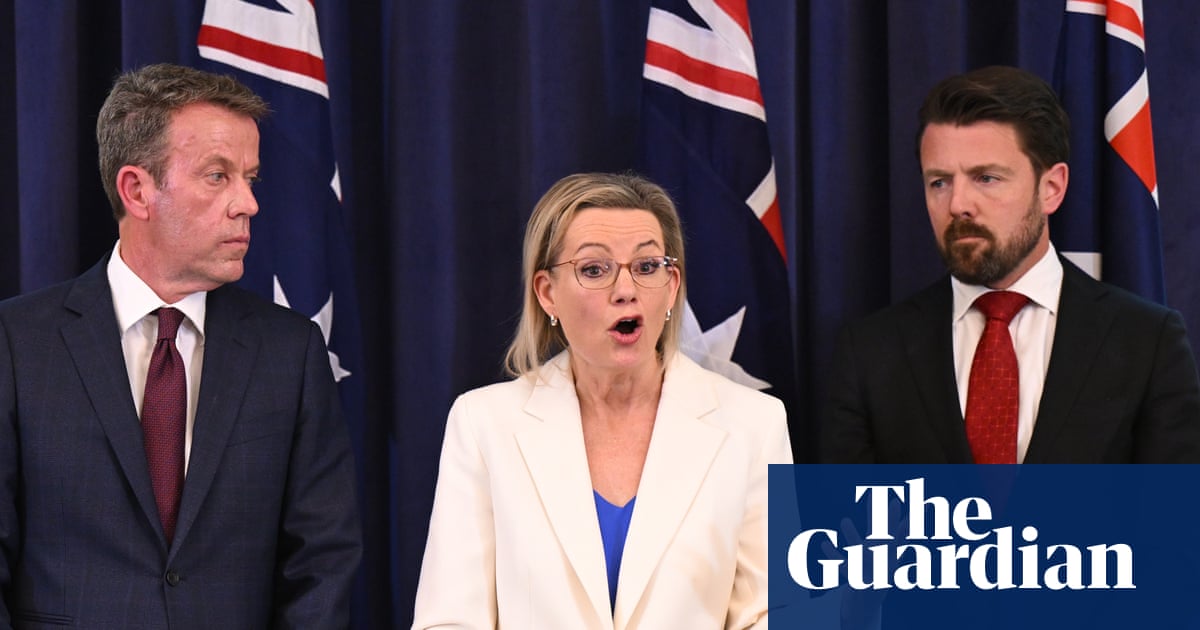
A significant policy reversal by Australia’s Liberal party, abandoning its legislated net-zero emissions target by 2050 and commitment to renewable energy projects, signals a pragmatic recalibration in the global energy transition debate. This strategic pivot, favoring a “technology agnostic” approach encompassing coal, gas, hydro, batteries, and potentially nuclear, marks a crucial moment for investors evaluating long-term opportunities in the oil and gas sector. While the party maintains adherence to the Paris Agreement, this move underscores a growing global emphasis on energy security and affordability alongside decarbonization, a trend that promises to reshape capital allocation in the coming years and open new avenues for traditional energy investments.
Navigating Australia’s “Technology Agnostic” Energy Future
The Australian Liberal party’s decision to scrap the legislated 43% emissions reduction target by 2030 and an 82% renewables target represents a profound shift from the previous climate-centric agenda. This new “technology agnostic” stance is particularly noteworthy for the oil and gas industry. By openly embracing a broader energy mix that explicitly includes coal and natural gas, the policy framework provides a clearer runway for investment in conventional energy sources. For natural gas, in particular, this could translate into renewed governmental support for exploration, production, and export infrastructure projects. Australia, a major LNG exporter, could see its significant gas reserves, currently facing regulatory headwinds, re-evaluated as critical components of both domestic energy security and regional supply. This policy signals a more stable operating environment for gas producers, potentially de-risking long-term capital deployment and enhancing the attractiveness of Australian gas assets to international investors.
Global Market Volatility Meets Domestic Policy Stability
This Australian policy pivot arrives amid a period of pronounced volatility in global energy markets. As of today, Brent crude trades at $90.38 per barrel, marking a substantial 9.07% decline within the day, while WTI crude sits at $82.59, down 9.41%. This intraday fluctuation is part of a broader trend, with Brent having fallen from $112.78 on March 30th to its current level, reflecting a nearly 20% drop in just over two weeks. Gasoline prices have followed suit, currently at $2.93 per gallon, down 5.18%. Against this backdrop of significant price uncertainty, a major developed economy like Australia signaling a more stable, diversified approach to its energy future can be a powerful counter-signal. While Australia is not a primary crude oil producer on a global scale, its policy stance on gas and coal influences global LNG and thermal coal markets. For investors, this domestic policy shift could offer a localized beacon of stability, potentially driving capital towards Australian energy assets seeking long-term regulatory certainty in an otherwise turbulent global environment.
Investor Queries and Upcoming Catalysts for O&G Markets
Our proprietary reader intent data highlights the immediate concerns of investors, with common inquiries like, “Is WTI going up or down?” and “What do you predict the price of oil per barrel will be by end of 2026?” These questions underscore a pervasive anxiety regarding market direction and long-term price stability. While the Australian policy provides a long-term signal of support for traditional energy, the immediate price trajectory of crude oil will be heavily influenced by a series of critical upcoming events. The OPEC+ Joint Ministerial Monitoring Committee (JMMC) Meeting on April 19th, followed by the full OPEC+ Ministerial Meeting on April 20th, are paramount. Any decisions regarding production quotas will directly impact global supply and price sentiment. Furthermore, the API Weekly Crude Inventory (April 21st, 28th) and EIA Weekly Petroleum Status Report (April 22nd, 29th) will offer crucial insights into U.S. supply-demand dynamics. The recurring Baker Hughes Rig Count (April 24th, May 1st) will provide a pulse on North American drilling activity. For investors, these events represent key data points for short-term trading decisions, but the Australian policy shift offers a longer-term perspective, suggesting potential for sustained investment in natural gas projects, which could indirectly support gas prices and associated O&G infrastructure.
Investment Posture: Identifying Opportunities in a Shifting Landscape
The Australian Liberal party’s energy policy pivot creates distinct opportunities for strategic investors. Companies with significant natural gas assets in Australia, or those capable of developing new projects, stand to benefit from a potentially more favorable regulatory and political climate. This includes major players focused on LNG exports, given Australia’s strategic position to serve growing Asian demand. The “technology agnostic” approach also hints at potential governmental support for carbon capture and storage (CCS) technologies, which would enable continued fossil fuel use while meeting emissions targets. This could attract investment in CCS infrastructure and related services. Investors should closely monitor the specifics of the detailed energy and emissions reduction policy as it unfolds, particularly concerning project approvals, permitting, and potential incentives for gas exploration and production. This policy re-evaluation by a developed nation sets an important precedent, signaling a global trend where energy security and economic pragmatism are increasingly balancing, and in some cases, outweighing, purely emissions-driven agendas. This shift could extend the viable investment horizon for certain oil and gas assets, particularly in the natural gas sector, offering enhanced long-term value propositions for discerning investors.


