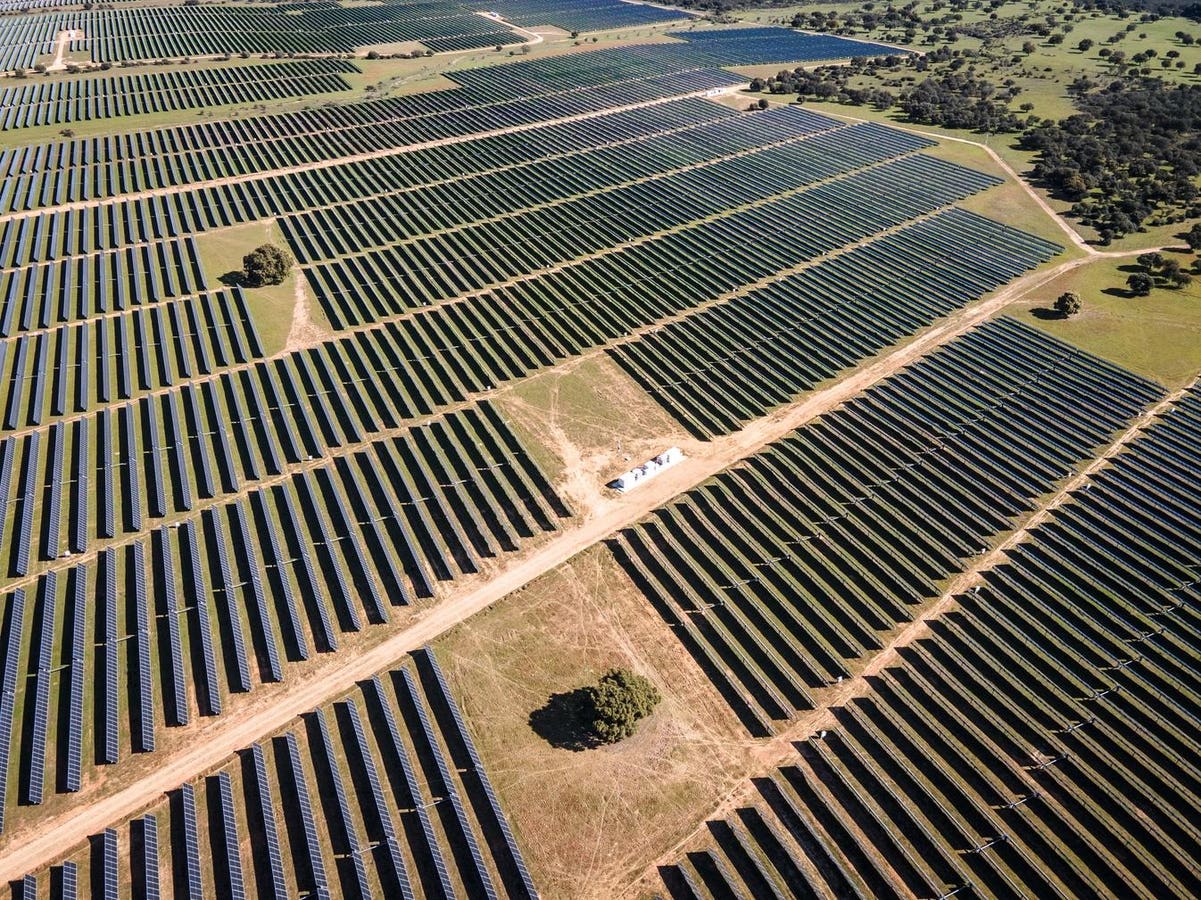
The energy landscape is undergoing a profound transformation, presenting a complex picture for oil and gas investors. While federal policy signals a renewed push for fossil fuel dominance and a retraction of support for large-scale clean energy initiatives, a deeper dive reveals an accelerating global pivot towards renewables that savvy investors cannot afford to ignore. This dichotomy creates both challenges and strategic opportunities within the traditional energy sector.
Federal Policy vs. Global Reality: A Divergent Path
Recent developments at the highest levels of U.S. government indicate a clear intent to bolster the fossil fuel industry. This includes the proposed withdrawal of federal incentives for many clean energy projects and active measures to streamline hydrocarbon production and consumption. Furthermore, regulatory hurdles are being placed on the development of new wind and solar installations on federal lands. For stakeholders in the clean technology space, this political posture might appear to cast a shadow over future growth prospects.
However, the global narrative tells a strikingly different story. Independent of federal mandates, the momentum behind renewable energy adoption is reaching critical mass. Projections from the International Energy Agency (IEA) suggest a historic milestone this year: electricity generated worldwide from renewable sources is poised to surpass coal-fired power for the first time. This isn’t a temporary blip; the IEA forecasts steady growth throughout the decade. By 2030, global electricity generation from solar, wind, and other sustainable sources is expected to exceed an astonishing 17,000 terawatt-hours (TWh). This represents a nearly 90% surge from 2023 levels and is enough energy to power both China and the United States combined.
Sub-National Leadership and Economic Imperatives
Even within the United States, states are forging ahead with ambitious clean energy goals, demonstrating that the transition is driven by more than just federal incentives. California, the world’s fourth-largest economy, now sources 67% of its electric power from renewable and zero-carbon sources, including solar, wind, hydro, and nuclear. This figure is set to climb higher, with the state adding 7,000 megawatts (MW) of clean energy capacity to its grid in 2024, alongside substantial battery storage. An additional 20,000 MW of new clean energy is already under contract for deployment by 2030, underscoring a robust pipeline of sustainable power projects. California Governor Gavin Newsom highlighted this achievement, noting the state’s pioneering role as the largest economy globally to reach this milestone in clean power.
Across the Atlantic, the European Union is also making significant strides. Renewable energy now accounts for a quarter of the electric power production across its member countries, with an ambitious target to reach 45% by the end of the decade. These regional successes underscore a fundamental shift where economic viability and energy security are increasingly aligned with clean energy development.
China’s Unrivaled Scale and Strategic Implications
Perhaps the most compelling evidence of this global energy paradigm shift comes from China. Already the world leader in manufacturing solar panels, wind turbines, batteries, and electric vehicles (EVs), the country is accelerating its domestic deployment at an unprecedented pace. In May alone, China installed a staggering 93 gigawatts (GW) of solar capacity and 26 GW of wind power. While China remains the largest source of carbon emissions globally, primarily due to its reliance on coal, this rapid expansion of renewable infrastructure could dramatically alter its energy mix in the coming years.
Furthermore, China’s EV market, already the largest worldwide, is set to reach another critical turning point this year, with sales of electric vehicles projected to surpass those of gasoline-powered cars for the first time. This signals a significant disruption in the transportation sector, with long-term implications for global oil demand.
The Economic Drivers: Cost, Reliability, and Demand
The continued global surge in renewables, despite varying national policies, is fundamentally driven by economics. Solar and wind power projects are increasingly proving to be not only cheaper to construct than new fossil fuel or nuclear plants but also more likely to be completed on time and within budget. This cost efficiency, coupled with advancements in battery storage technology, makes renewables an increasingly attractive investment for utilities and developers worldwide.
The burgeoning demand from power-intensive sectors, particularly data centers fueling the artificial intelligence boom, further emphasizes the need for reliable and cost-effective electricity generation. This growing appetite for power, coupled with the inherent economic advantages of renewables, explains why the clean energy build-out continues unabated globally, even in regions where federal support may be waning.
Navigating the New Energy Frontier: Strategic Considerations for O&G Investors
For oil and gas investors, this accelerating shift presents a dual challenge and opportunity. The robust growth of renewable electricity generation will inevitably impact demand for natural gas in the power sector, while the rapid adoption of EVs, particularly in key markets like China, signals a long-term erosion of petroleum demand in transportation. Companies heavily reliant on these traditional revenue streams must critically assess their long-term strategies.
This evolving landscape necessitates a proactive approach. Oil and gas firms with strategic foresight are exploring diversification into areas such as carbon capture, utilization, and storage (CCUS), blue hydrogen production, or even directly investing in renewable energy projects. Maintaining competitiveness will require a keen understanding of evolving energy market dynamics, technological advancements, and shifting global policy environments. Investors should scrutinize companies’ capital allocation strategies, looking for those that are actively de-risking their portfolios and positioning themselves for a lower-carbon future.
While the immediate outlook for fossil fuels may seem bolstered by certain policy decisions, the undeniable global trend towards cleaner, more affordable energy sources is gaining irreversible momentum. Understanding this macroeconomic current is paramount for investors seeking to optimize their portfolios in the dynamic world of energy finance.