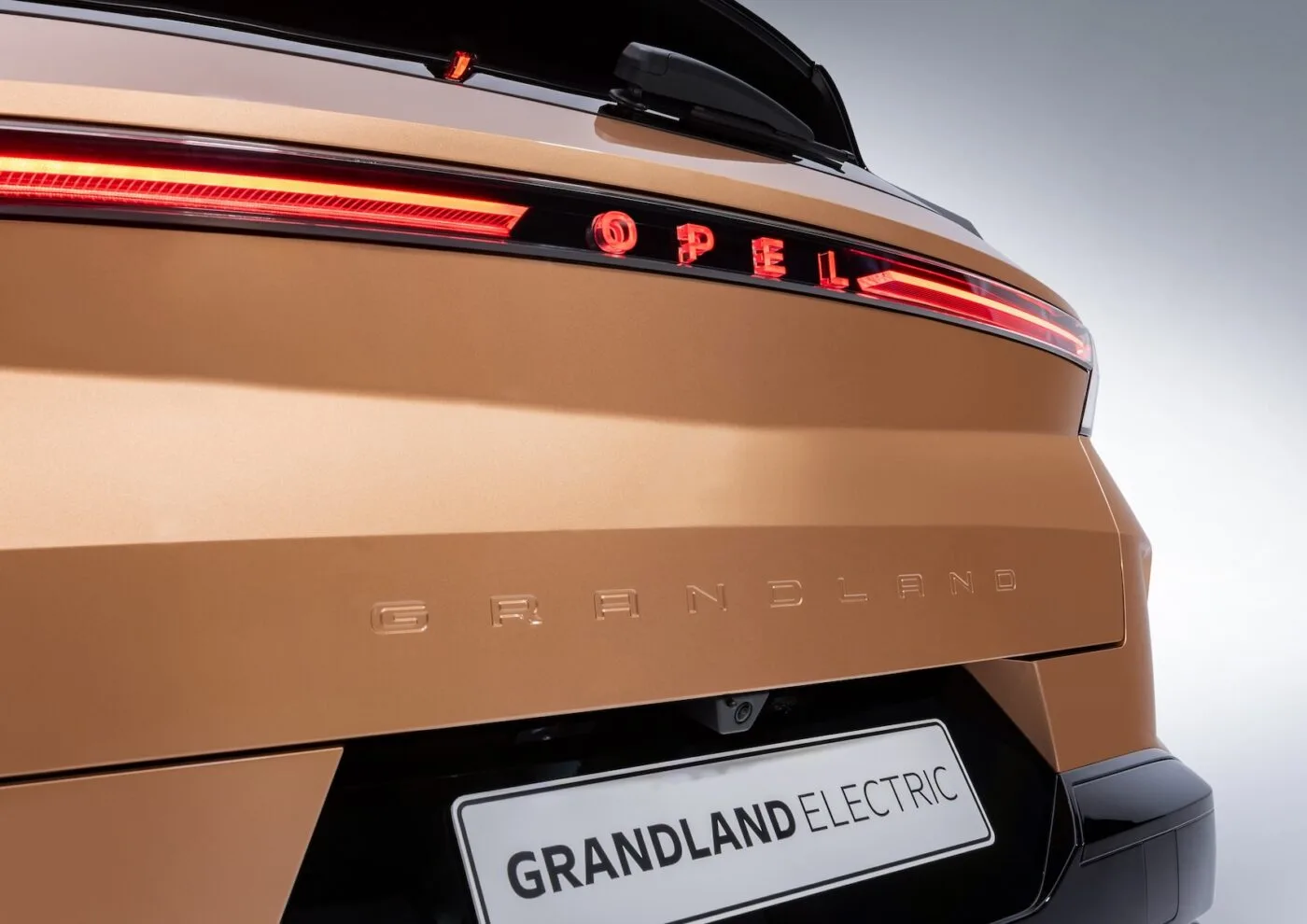
The automotive industry’s ambitious electrification targets have long cast a shadow over the long-term outlook for oil demand. Yet, a recent strategic pivot by German automaker Opel, a key brand within the Stellantis conglomerate, offers a compelling counter-narrative. Opel has officially rescinded its aggressive 2028 deadline for selling only battery-electric vehicles (BEVs) in Europe, opting instead for Stellantis’ more pragmatic “multi-energy” approach. This isn’t merely a corporate decision; it’s a significant indicator of real-world challenges in the EV transition, with profound implications for energy investors. For those tracking the pulse of the oil markets, Opel’s recalibration signals a likely extension of robust demand for traditional internal combustion engine (ICE) vehicles, thereby providing a longer runway for hydrocarbon investments than many previously anticipated.
The Reality Check: Uneven EV Adoption and Customer Demand
Opel’s decision stems directly from a critical assessment of current customer demand, acknowledging that the pace of electrification varies significantly across markets. While the company remains committed to decarbonization in the long term, the initial 2028 target, first set in 2021, proved overly ambitious given present conditions. The automaker highlighted strong EV demand in markets like France and the UK, and noted positive movement in Germany due to government incentives. However, weaker demand signals from Spain and Italy underscore the uneven adoption curve across Europe. This pragmatic stance by a major manufacturer validates the thesis that the energy transition will be far from linear, creating a more protracted period where both electric and combustion vehicles coexist.
Stellantis’ “multi-energy” platform strategy, which underpins Opel’s models, provides crucial flexibility. Cars like the Corsa Electric and Mokka Electric, initially adapted from combustion platforms, and newer models like the Grandland Electric (based on STLA Medium designed for multiple drivetrains), demonstrate this adaptability. Every Opel model now offers a battery-electric variant, but critically, also remains available with combustion engines or as hybrids. This engineering flexibility allows Opel to pivot production based on evolving market preferences, insulating the company from the vagaries of an unpredictable EV uptake. For oil investors, this translates into a tangible reduction in the immediate “peak demand” threat, as manufacturers retain the capacity and intent to produce gasoline-powered vehicles for the foreseeable future.
Market Snapshot: Oil Prices Navigate a Complex Landscape
Understanding the broader market context is crucial for interpreting Opel’s strategic shift. As of today, Brent Crude trades at $90.38 per barrel, reflecting a significant decline of 9.07% within the day, with a range between $86.08 and $98.97. Similarly, WTI Crude stands at $82.59, down 9.41%, having traded between $78.97 and $90.34. Gasoline prices have also seen a dip, currently at $2.93, down 5.18%. This daily volatility is part of the ongoing market narrative, yet the longer-term trend also shows movement: Brent has retreated notably from $112.78 on March 30th to $91.87 just yesterday, an 18.5% decline over the past two weeks.
While various macro factors can influence short-term price movements, Opel’s decision provides a fundamental underpinning for sustained oil demand that might otherwise be overlooked amidst daily fluctuations. The reality of slower-than-expected EV adoption in key markets acts as a structural support for gasoline consumption, cushioning the market against more severe price corrections driven by demand fears. This recalibration by a major automaker suggests that the demand side of the oil equation will remain robust for longer, offering a more stable environment for upstream and refining investments than some bearish forecasts suggest.
Upcoming Events and the Trajectory of Global Demand
The coming weeks are packed with critical energy events that will shed further light on global supply-demand dynamics, which are now undeniably influenced by shifts in automotive electrification strategies. This weekend, the market will closely watch the OPEC+ Joint Ministerial Monitoring Committee (JMMC) meeting on April 18th, followed by the full Ministerial Meeting on April 19th. Investors are keenly asking about current OPEC+ production quotas, and these meetings will provide crucial updates. A slower EV transition, as exemplified by Opel, means higher baseline oil demand, which could influence OPEC+’s decisions on maintaining or adjusting production cuts. If global demand is perceived to be stronger for longer, it provides OPEC+ with greater flexibility in managing supply to stabilize prices.
Beyond OPEC+, the API Weekly Crude Inventory report on April 21st and the EIA Weekly Petroleum Status Report on April 22nd will offer real-time snapshots of U.S. inventory levels and refinery activity. A sustained demand for ICE vehicles will directly translate into higher crude processing for gasoline production, making these reports even more pertinent. Similarly, the Baker Hughes Rig Count on April 24th will indicate future supply intentions. For investors predicting the price of oil per barrel by the end of 2026, these data points, combined with the structural shift in automotive strategy, become vital. A prolonged ICE lifecycle implies a more gradual decline in gasoline consumption, thereby supporting crude prices and potentially influencing mid-term capital expenditure decisions for exploration and production companies.
Investor Insight: Navigating the “Multi-Energy” Investment Landscape
Opel’s strategic pivot resonates deeply with the questions currently on investors’ minds, particularly regarding the future trajectory of oil prices and the robustness of demand. The query, “what do you predict the price of oil per barrel will be by end of 2026?”, encapsulates the market’s uncertainty, and Opel’s move offers a significant piece of the puzzle. By extending the lifespan of ICE vehicle production, Opel, and by extension Stellantis, is essentially betting on a slower, more diversified energy transition in the transport sector. This reduces the immediate downside risk to oil demand models that projected rapid EV dominance.
For savvy oil and gas investors, this scenario highlights the enduring value of companies with robust refining capacities and diversified product portfolios. The “multi-energy” approach isn’t just for automakers; it’s a blueprint for energy majors as well. Integrated oil companies, capable of efficiently producing and refining crude into various products, including gasoline, are better positioned to thrive in this extended transition period. While the long-term shift towards decarbonization remains undeniable, the path is clearly less steep and more meandering than previously assumed. Investors should therefore recalibrate their expectations for peak oil demand, recognizing that a more protracted transition period offers sustained opportunities in the hydrocarbon sector, particularly for those entities well-placed to meet the evolving demands of a multi-energy world.


