PY-3 Offshore Field Revival Marks Key Milestone for Indian Energy Sector
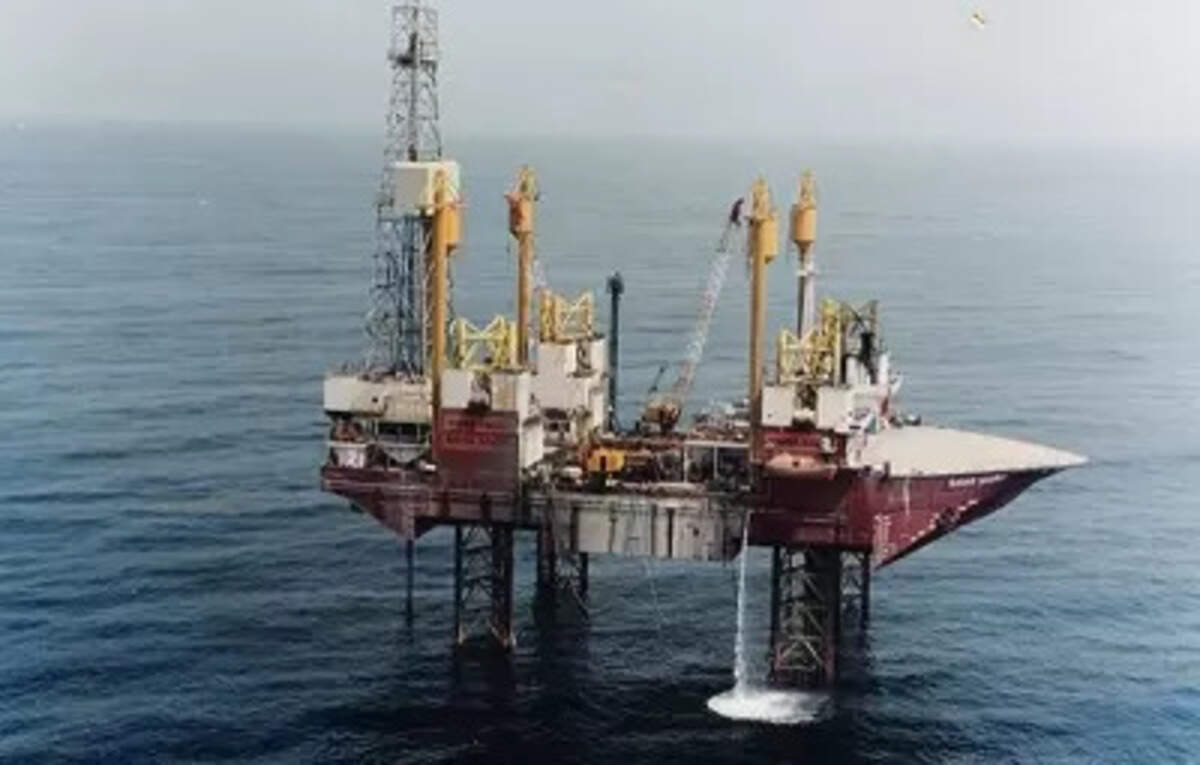
The Indian energy landscape recently witnessed a significant operational resurgence with the restart of crude oil production from the PY-3 offshore field in the Cauvery Basin. This pivotal development concludes a 13-year hiatus, marking the successful completion of Phase I of a comprehensively revised Field Development Plan (FDP). A joint statement from the consortium partners – Oil and Natural Gas Corporation (ONGC), Invenire Petrodyne Limited, and Hardy Exploration & Production (India) Inc. – confirmed the restart, signaling renewed upstream activity and potential value creation for investors monitoring India’s hydrocarbon sector.
This long-awaited return to production from the PY-3 asset, located off India’s eastern coastline, is a testament to persistent engineering and strategic collaboration. Originally brought on-stream in 1997, the field ceased operations in July 2011. Its reactivation not only adds to India’s domestic oil supply but also underscores the technical capabilities and financial commitment of the joint venture partners in unlocking previously dormant resources. The crude produced from PY-3 is classified as light, sweet crude, a highly desirable commodity in global markets due to its ease of refining and higher yields of valuable products, promising favorable economics for the operators.
Strategic Collaboration Drives Field Reactivation
The PY-3 field operates under a robust joint venture framework, bringing together a powerful combination of state-owned expertise and private sector agility. ONGC, India’s premier national oil company, holds a dominant participating interest of 50.63%. Complementing this is Invenire Petrodyne Limited with 26.58%, and Hardy Exploration & Production (India) Inc., an entity within the Invenire Energy Group, holding an effective 22.79%. Notably, Hardy Exploration & Production (India) Inc. serves as the operator for the PY-3 block, a responsibility that demands intricate technical oversight and project management capabilities.
This partnership structure is crucial for the successful execution of complex offshore projects. ONGC brings decades of deepwater experience and significant financial backing, while Invenire and Hardy contribute specialized operational knowledge and innovative approaches to field development. The synergy among these entities was instrumental in navigating the challenges inherent in reactivating an asset that had been dormant for over a decade, making this a noteworthy case study for oil and gas investment analysts.
Phase I Completion: A Technical and Operational Triumph
The successful completion of Phase I of the revised FDP involved several critical technical milestones. Key among these was the meticulous assessment and subsequent activation of the subsea well PD3SA. This process required detailed engineering, integrity checks, and remedial work to ensure the well’s readiness for sustained production after such a prolonged shutdown. Concurrently, new subsea infrastructure had to be installed, connecting the well to the primary processing facilities.
A pivotal element of the re-development strategy was the integration with the Floating Production, Storage, and Offloading (FPSO) vessel Svetah Venetia. This state-of-the-art vessel is central to the field’s operations, performing the vital functions of processing and separating crude oil, associated gas, and produced water. The processed oil is then stored onboard the FPSO, awaiting transfer to shuttle tankers for offloading to various refineries. The deployment and successful integration of such a sophisticated offshore processing unit underscore the advanced capabilities brought to bear by the joint venture partners, highlighting the significant capital expenditure and technical expertise required for this type of upstream venture.
Future Growth Trajectory: Phase II and Enhanced Recovery
The restart of production under Phase I is just the initial step in realizing the full potential of the PY-3 field. The FDP includes an ambitious Phase II, which is designed to significantly augment output and extend the field’s productive life. Future plans encompass the drilling of new wells, a standard practice for expanding reservoir access and increasing production rates. More strategically, Phase II will also involve the implementation of Enhanced Oil Recovery (EOR) techniques.
EOR methods are critical for maximizing hydrocarbon recovery from mature or complex reservoirs. These techniques, which can include gas injection, waterflooding, or chemical flooding, aim to mobilize remaining oil that conventional production methods cannot access. For investors, the commitment to EOR signals a long-term vision for the asset, suggesting a belief in substantial remaining reserves and a proactive approach to optimizing economic returns from the PY-3 field. This focus on advanced recovery technologies positions the field for sustained production and potential upside beyond initial expectations.
Leadership Perspectives and India’s Energy Security
The successful execution of the restart plan has been lauded by the leadership of the joint venture. In a collective statement, Manish Maheshwari, Chairman of Invenire Energy, and Arunangshu Sarkar, Director (Strategy & Corporate Affairs) at ONGC, expressed profound gratitude for the unwavering support from key governmental bodies, specifically the Ministry of Petroleum and Natural Gas (MoPNG) and the Directorate General of Hydrocarbons (DGH). Such regulatory backing is often instrumental in navigating the complexities of large-scale energy projects in India.
Mr. Maheshwari articulated the broader strategic importance, stating that this achievement “marks a significant step in Invenire’s operational journey and reaffirms the JV’s commitment to contributing to India’s energy security.” This sentiment resonates strongly with India’s national objective of reducing its reliance on energy imports by boosting domestic production. For investors, this translates into a project aligned with national strategic priorities, potentially benefiting from ongoing governmental support and a favorable operating environment. The revival of PY-3 is not merely an operational success; it is a strategic contribution to India’s energy independence, enhancing the investment thesis for the companies involved in the country’s upstream sector.