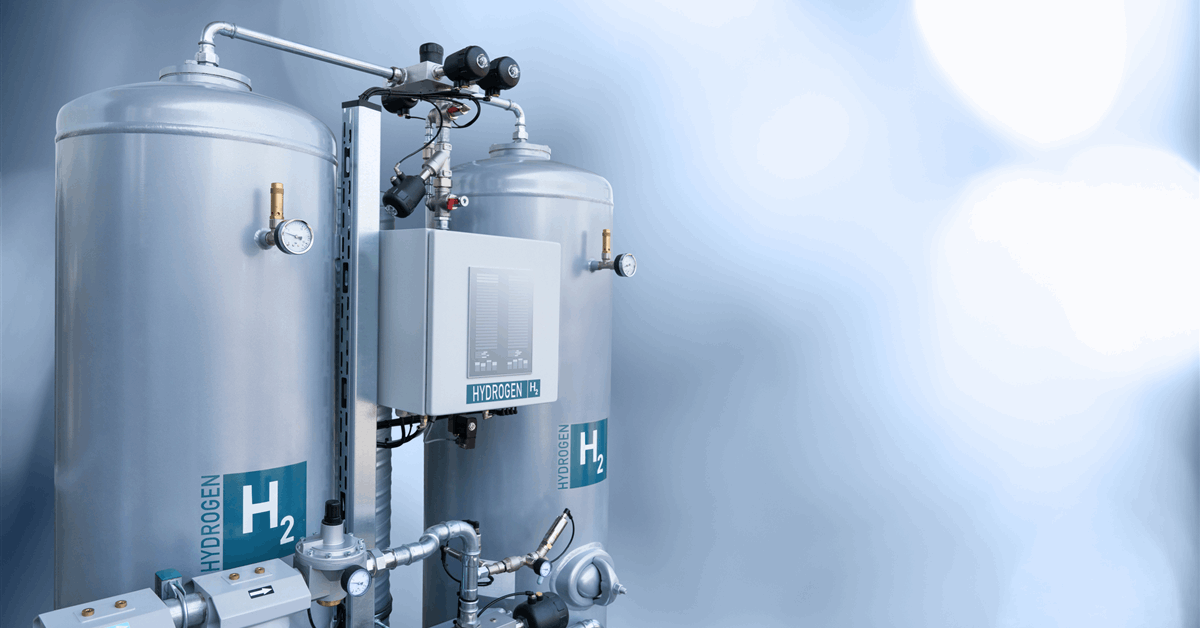
In a significant move underscoring the accelerating energy transition, OMV AG has committed to a substantial investment in green hydrogen production. The company’s recent final investment decision to construct a 140-megawatt electrolysis facility in Bruck an der Leitha, Lower Austria, signals a clear strategic pivot towards decarbonized operations and product lines. This project, slated to commence production in 2027, is poised to become Europe’s largest electrolytic facility generating renewable hydrogen, leveraging a mix of wind, solar, and hydro power to produce up to 23,000 metric tons of green hydrogen annually. For investors tracking the evolution of major energy players, OMV’s bold step provides a tangible example of traditional oil and gas firms actively shaping their future amidst global sustainability mandates.
Scaling Green Hydrogen Production for Industrial Transformation
OMV’s commitment to green hydrogen extends beyond this ambitious new project. The company recently brought online its first commercial-scale green hydrogen facility at its Schwechat refinery near Vienna, featuring a 10-megawatt PEM electrolyzer. This existing plant, which also harnesses renewable energy, has an annual capacity of 1,500 metric tons and is already contributing to decarbonization efforts by avoiding up to 15,000 metric tons of carbon dioxide emissions per year. The output from both facilities is strategically earmarked to green the refinery’s operations and to produce a new generation of sustainable fuels and chemicals, including sustainable aviation fuel (SAF) and renewable diesel. This dual-track approach – integrating green hydrogen into existing refining processes while simultaneously expanding capacity – demonstrates a pragmatic strategy to future-proof OMV’s industrial footprint and align with evolving environmental standards. The executive vice president for fuels and chemicals highlighted this as a groundbreaking step, emphasizing how industrial innovation and sustainability can synergize to re-invent the production of essential products.
Navigating Market Volatility with Strategic Diversification
While OMV charts a course towards a greener future, the broader energy market continues to exhibit its characteristic dynamism. As of today, Brent crude trades at $96.13 per barrel, marking a 1.41% increase within the day’s range of $91 to $96.36. Similarly, WTI crude stands at $92.36, up 1.18% for the day. However, a look at the recent trend reveals a more nuanced picture, with Brent having declined from $102.22 on March 25 to $93.22 just yesterday, representing an almost 9% drop over the past fortnight. Gasoline prices, currently at $2.99 per gallon, also reflect ongoing consumer demand. These fluctuations underscore the inherent volatility in conventional hydrocarbon markets. OMV’s significant investment in green hydrogen, therefore, can be viewed as a strategic hedge, insulating aspects of its future operations from the direct impact of crude price swings. By producing sustainable fuels and chemicals using green hydrogen, OMV aims to capture a premium in markets increasingly demanding low-carbon alternatives, offering a potential buffer against the cyclical nature of traditional oil and gas profitability.
Strategic Partnerships and Future Market Positioning
OMV is not pursuing its green hydrogen ambitions in isolation. The company recently formalized a letter of intent with Abu Dhabi Future Energy Co. PJSC (Masdar) to collaborate on producing green hydrogen and its derivatives. This partnership signals a broader geographical and product scope, with plans to develop synthetic aviation fuel, other synthetic fuels, and synthetic chemicals across Austria, the United Arab Emirates, and northern and central Europe. Such international collaborations are vital for scaling nascent technologies and establishing robust supply chains. For investors keenly watching the energy sector, questions around future commodity prices, such as a base-case Brent price forecast for the next quarter or the consensus 2026 Brent forecast, remain paramount. While OMV’s green hydrogen projects don’t directly answer these, they represent a strategic diversification that reduces the company’s sole reliance on these forecasts for long-term value. Furthermore, upcoming industry events like the Baker Hughes Rig Count reports on April 17 and April 24, and crucially, the OPEC+ meetings on April 18 (JMMC) and April 20 (Full Ministerial), will shape the immediate oil supply landscape. OMV’s proactive investment in green alternatives positions it to thrive regardless of the output decisions from these traditional oil-centric gatherings, appealing to a broader investor base seeking resilience in a decarbonizing global economy.
Technological Innovation and Investor Value Creation
Beyond hydrogen, OMV is demonstrating a broader commitment to circular economy principles and technological innovation. In tandem with its initial 10-MW electrolyzer, the company also operationalized a plant utilizing its proprietary ReOil technology. This innovative process converts hard-to-recycle plastics into virgin-quality products, further strengthening the link between refining and chemical production to unlock greater efficiency, flexibility, and sustainability. This multi-faceted approach addresses various challenges within the energy and chemicals sector. Investors often inquire about the operational efficiency and competitive landscape of refining, exemplified by questions such as the performance of Chinese tea-pot refineries this quarter. OMV’s strategy to integrate green hydrogen and advanced recycling technologies into its own refinery and chemical assets offers a crucial competitive advantage. By enhancing the sustainability of its processes and products, OMV is not only de-risking its future operations against potential carbon pricing and stricter environmental regulations but also positioning itself as a leader in industrial transformation. This approach promises long-term value creation and strengthens its appeal to investors prioritizing ESG (Environmental, Social, and Governance) factors within their portfolios, moving beyond traditional metrics to embrace the future of energy production.


