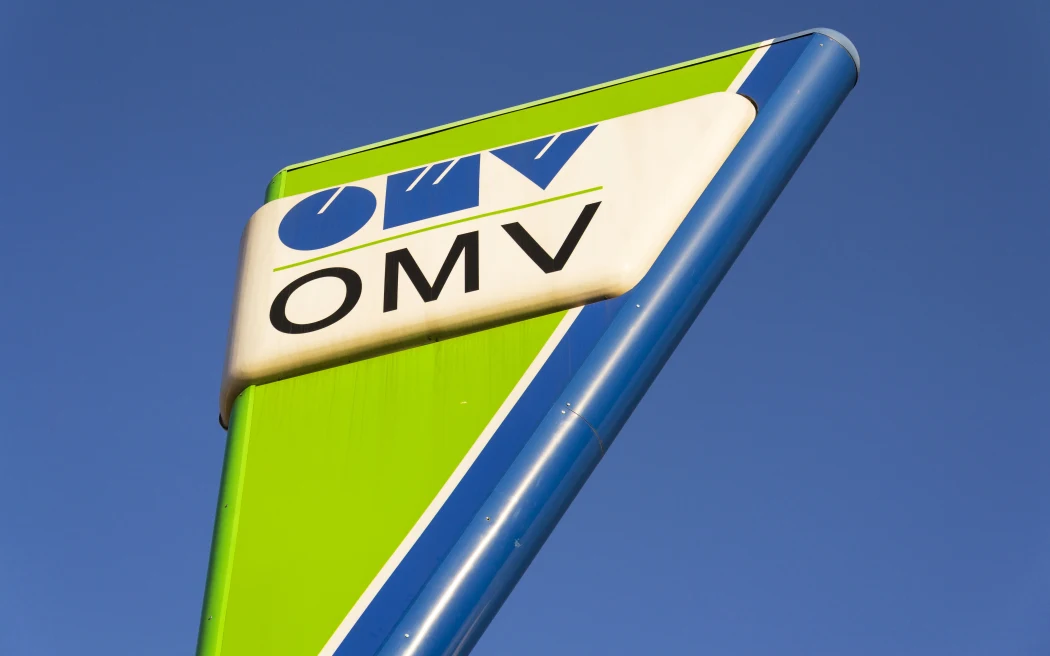
Vienna-based energy and chemicals giant OMV is making a substantial play in the burgeoning green hydrogen sector, announcing a definitive commitment to construct one of Europe’s largest electrolysis facilities. This strategic move, centered around a 140 MW electrolyzer in Bruck an der Leitha, Lower Austria, underscores OMV’s aggressive pivot towards industrial decarbonization and positions the company as a frontrunner in the continent’s energy transition.
The final investment decision for this ambitious undertaking, representing a mid-three-digit million-euro capital expenditure, hinges on a favorable outcome from the highly anticipated European and Austrian Hydrogen Bank auction. For investors tracking OMV’s long-term strategy, this project signifies a critical step in re-shaping the company’s asset portfolio and securing its relevance in a carbon-constrained future.
Scaling Up Green Hydrogen Production in Europe
Upon completion, slated for the end of 2027, OMV’s 140 MW facility will be a monumental asset, capable of generating up to 23,000 tons of green hydrogen annually. This output will be produced exclusively from renewable energy sources, including wind, solar, and hydro power, ensuring a truly sustainable production pathway. The scale of this project alone makes it a benchmark for industrial-scale green hydrogen initiatives across Europe, directly contributing to the continent’s energy security and climate objectives.
The primary off-taker for this substantial hydrogen volume will be OMV’s own Schwechat refinery. This internal integration is crucial, demonstrating a clear strategic intent to de-risk demand and integrate green hydrogen directly into existing industrial processes. For investors, this closed-loop system mitigates market volatility risks often associated with emerging energy carriers and underlines the tangible impact on OMV’s operational carbon footprint.
Strategic Decarbonization: A Pathway to Net Zero
OMV projects that the Bruck an der Leitha facility will lead to a significant reduction in carbon dioxide emissions, estimating an annual cut of approximately 150,000 tons. To put this into perspective, this reduction is comparable to offsetting the carbon footprint of 20,000 individuals each year. Such substantial environmental benefits are not merely about compliance; they are about enhancing OMV’s ESG profile, attracting green capital, and future-proofing its core businesses against increasingly stringent environmental regulations.
Martijn van Koten, OMV Executive Vice President for Fuels & Feedstock and Chemicals, emphasized the transformative potential of this investment. “Through this initiative, we are fundamentally rethinking the manufacturing of essential fuels and chemical products – a groundbreaking advancement that illustrates how industrial ingenuity and environmental stewardship can harmoniously coexist,” van Koten stated. He further highlighted that the planned 140 MW electrolysis plant will fulfill a significant portion of the hydrogen requirements at the OMV Schwechat refinery, solidifying the company’s position as a leader in industrial transformation within the energy sector.
This executive commentary reinforces the message that OMV is not just dabbling in green technologies but is strategically integrating them to redefine its operational DNA. Investors should interpret this as a strong signal of OMV’s long-term commitment to sustainable practices and its proactive approach to navigating the global energy transition.
Learning and Scaling: OMV’s Hydrogen Trajectory
Notably, this large-scale project is not OMV’s first foray into green hydrogen. The company has already gained invaluable experience from operating a 10 MW electrolyzer facility. This prior investment served as a crucial proving ground, allowing OMV to understand the technical, operational, and economic complexities of hydrogen production. The new 140 MW plant represents a significant scale-up, demonstrating OMV’s confidence in the technology and its ability to execute large-scale clean energy projects based on lessons learned.
For investors, this incremental approach signifies prudent risk management. By leveraging insights from a smaller, operational unit, OMV is poised to optimize the design, construction, and operation of the much larger Bruck an der Leitha facility, potentially enhancing project economics and reducing execution risks. This methodical expansion reinforces OMV’s credibility as a serious player in the evolving hydrogen economy.
Investor Outlook: Capitalizing on the Hydrogen Economy
OMV’s substantial investment in green hydrogen positions it favorably within the broader energy market. As global and European policies increasingly favor decarbonization, companies capable of producing sustainable fuels and chemicals will command a premium. The integration of green hydrogen into its refinery operations not only reduces OMV’s Scope 1 and Scope 2 emissions but also enables the production of lower-carbon products, potentially opening new markets and strengthening existing customer relationships.
The reliance on the European and Austrian Hydrogen Bank auction for the final investment decision highlights the critical role of public funding and policy support in accelerating large-scale green hydrogen projects. Success in securing these funds would de-risk a portion of the investment and signal strong governmental backing for OMV’s strategic direction. This public-private partnership model is becoming increasingly common in the energy transition landscape, offering attractive leverage for corporate capital.
For financial journalists and investors on OilMarketCap.com, OMV’s 140 MW green hydrogen plant is more than just an environmental initiative; it is a significant financial commitment aimed at future-proofing a major energy company. It represents a tangible investment in industrial innovation, energy security, and a sustainable future, offering a compelling case for OMV’s long-term value proposition in the evolving global energy mix.