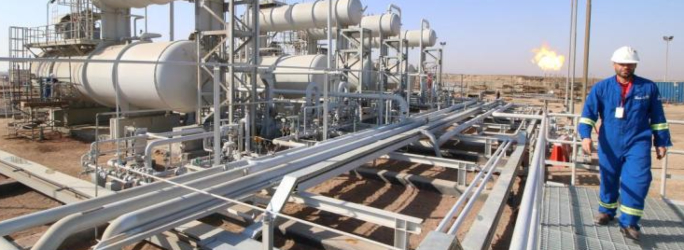
Oman is signaling a significant strategic pivot, reportedly exploring the sale of a minority stake in its prolific Block 6 natural gas assets, valued at approximately $8 billion. This move, spearheaded by state-owned Energy Development Oman (EDO), represents more than just a capital raise; it’s a calculated maneuver by the Sultanate to bolster its state finances, attract foreign direct investment, and distribute the substantial costs associated with developing and operating these critical fields. For energy investors, this potential transaction underscores the growing global appetite for natural gas, particularly LNG, and highlights the evolving fiscal strategies of Middle Eastern producers seeking to optimize their portfolios amidst a dynamic energy transition.
Oman’s Strategic Rebalancing: Fiscal Prudence Meets Energy Transition
The reported $8 billion valuation for the Block 6 gas assets, as assessed by Wood Mackenzie, speaks to the immense potential held within Oman’s largest and most valuable oil and gas concession. EDO, which owns 60% of Block 6’s oil and 100% of its gas concession, is seeking partners to unlock this value. This divestment drive is a clear continuation of Oman’s broader efforts to strengthen public finances, which have historically been among the weaker in the Arab Gulf. The Sultanate has pursued a series of asset sales and IPOs of state-owned entities, aiming to diversify its economy beyond crude oil and fund strategic projects. While oil still generates four times more revenue for Oman than gas, the underlying trend is undeniably shifting. Global demand for cleaner-burning natural gas, especially in the form of LNG, is driving significant investment towards gas projects, a trend Oman is keenly leveraging. The decision to consider this sale follows previous delays in issuing bonds through EDO due to challenging global financial markets, suggesting a renewed focus on direct equity partnerships as a more viable path to secure necessary capital and expertise.
Navigating Market Volatility: A Timely Gas Play
The timing of Oman’s potential gas asset sale is particularly pertinent given current market dynamics. As of today, Brent crude trades at $95.16 per barrel, showing a modest daily gain of 0.39%, while WTI crude sits at $91.04, reflecting a slight dip of 0.26%. This current snapshot follows a noticeable correction in crude prices over the past two weeks, with Brent declining from $102.22 on March 25th to $93.22 on April 14th. Such volatility in the crude market often prompts investors to re-evaluate their portfolios, seeking stability and growth in alternative energy segments. It’s against this backdrop of consolidating crude prices that Oman’s focus on natural gas gains additional strategic weight. The enduring demand for natural gas, driven by energy security concerns and the push for lower-carbon alternatives, makes gas assets like those in Block 6 highly attractive. With proven and probable non-associated gas reserves estimated at 10.7 trillion cubic feet and daily production exceeding 2 billion cubic feet, these assets offer substantial long-term value, appealing to international energy majors looking to secure future supply and diversify their upstream holdings away from purely crude-linked volatility. The ongoing construction of an LNG facility by TotalEnergies SE and Oman’s OQ SAOC, alongside government approaches to companies like bp and Shell Plc for a new LNG train at Qalhat, further underscores the strategic importance of Omani gas in the global energy matrix.
Addressing Investor Queries and Upcoming Catalysts for Gas Markets
Our proprietary reader intent data indicates a strong investor focus this week on fundamental questions surrounding the gas market: “What’s driving Asian LNG spot prices this week?” and “Build a base-case Brent price forecast for next quarter.” These inquiries highlight a broader investor sentiment seeking clarity on gas market fundamentals and their interplay with crude prices. Oman’s potential asset sale directly addresses these concerns by signaling a significant future increase in natural gas supply potential from a stable Middle Eastern producer. The move to bring in partners for Block 6 is a clear signal of Oman’s commitment to expanding its gas infrastructure and export capabilities, which could have a tangible impact on global LNG supply-demand balances, particularly for Asian markets. Investors are keenly watching for increased liquefaction capacity and reliable feedstock, both of which this transaction could facilitate. Looking ahead, several upcoming calendar events will further shape the broader energy investment landscape. The OPEC+ Joint Ministerial Monitoring Committee (JMMC) meeting on April 18th, followed by the full Ministerial Meeting on April 20th, will be critical for crude market sentiment. While directly impacting oil, their decisions on production levels can indirectly influence capital allocation towards gas projects. A stable or bullish crude price environment, for instance, could free up capital for diversified energy investments. Furthermore, the weekly API and EIA Crude Inventory reports (April 21st, 22nd, 28th, 29th) will offer crucial insights into real-time demand and supply trends across the petroleum complex, which are foundational for validating long-term gas demand projections and assessing the overall health of the energy sector.
The Long-Term View: Attracting Majors and Shaping Future Supply
The potential sale of a minority stake in Block 6 gas assets represents a significant opportunity for international energy majors. Companies like TotalEnergies, bp, and Shell Plc, already active or targeted by Oman for other gas initiatives, would find these proven reserves and existing production highly attractive for portfolio expansion and long-term supply security. For Oman, the benefits extend beyond immediate financial injections. Partnering with global energy giants brings not only capital but also advanced technical expertise, efficient operational practices, and access to global marketing networks. This collaboration is crucial for the complex and capital-intensive development of gas fields. A successful transaction would not only strengthen Oman’s state finances but also accelerate its economic diversification away from its historical reliance on crude oil. By unlocking the full potential of its natural gas resources, Oman aims to position itself as a more significant player in the global LNG market, contributing to global energy security and meeting the growing demand for cleaner fuels. This strategic divestment could very well serve as a blueprint for other national oil companies seeking to monetize non-core or capital-intensive assets, signaling a broader trend towards partnerships and diversified funding models in the evolving energy landscape.


