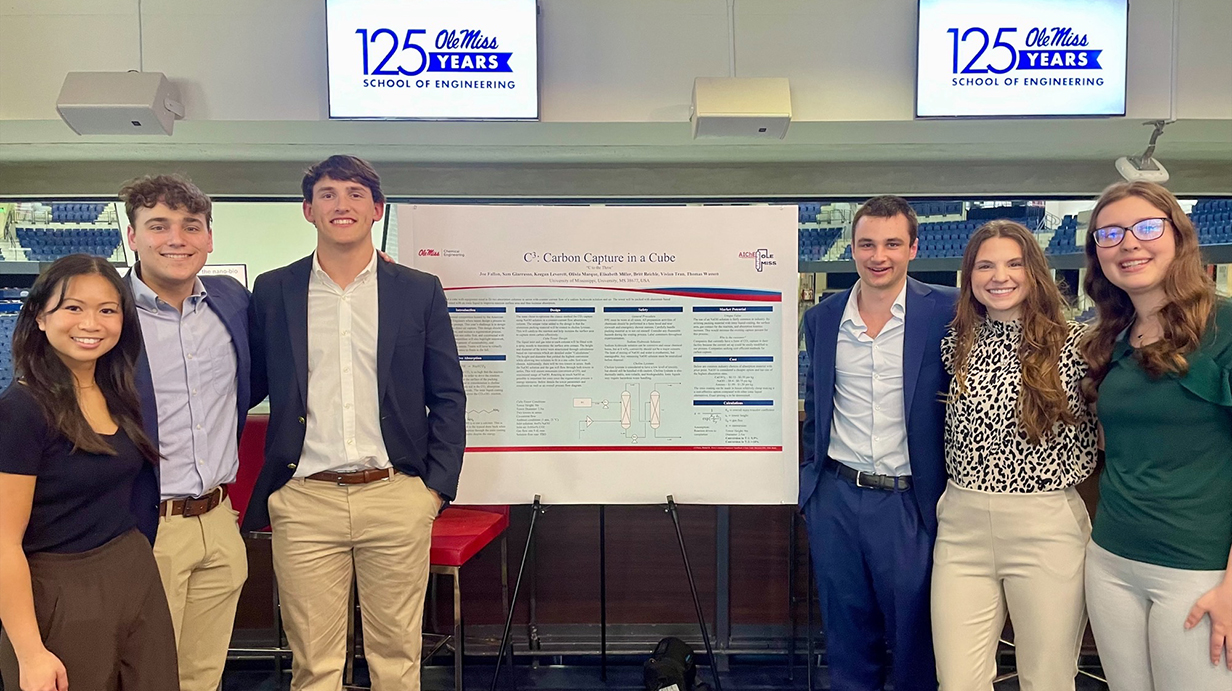
The energy transition continues to drive innovation across the oil and gas sector, pushing companies to explore new avenues for sustainable growth and emissions reduction. While much attention focuses on large-scale infrastructure projects, disruptive technologies often emerge from unexpected corners. We’re observing a fascinating development from a university chemical engineering team that has engineered a compact, 1-cubic-foot device designed for direct air capture (DAC) of carbon dioxide. This novel approach, integrating an ionic salt with packing material, represents an intriguing step forward in the quest for more efficient and scalable carbon capture solutions, potentially signaling future investment themes in the decarbonization space.
Market Realities and the Carbon Capture Imperative
The imperative for carbon capture, utilization, and storage (CCUS) technologies remains robust, even as the oil market experiences significant volatility. As of today, Brent Crude trades at $90.38, a sharp decline of 9.07% within the day, with a range between $86.08 and $98.97. Similarly, WTI Crude stands at $82.59, down 9.41% from its open. This recent downturn is part of a broader trend, with Brent having fallen from $112.78 on March 30th to its current level, representing a nearly 20% drop in just over two weeks. Such price fluctuations highlight the ongoing challenges and opportunities within the traditional energy sector, but they do not diminish the long-term strategic importance of decarbonization. Despite short-term price movements, global demand for energy continues to grow, and with it, the need for effective solutions to manage emissions. Direct air capture, specifically, targets legacy emissions and those from diffuse sources, offering a complementary pathway to point-source capture. The market for CCUS is projected to expand significantly, driven by evolving regulatory frameworks, carbon pricing mechanisms, and corporate ESG commitments. Investments in early-stage R&D, like the compact DAC device under review, are critical for developing the next generation of cost-effective and scalable solutions that will underpin the energy transition.
Unpacking the Innovation: A Novel Approach to Direct Air Capture
The device in question, developed by a team of chemical engineering students, offers a fresh perspective on direct air capture. Their core innovation lies in integrating a solid ionic salt compound, which is dissolved and then bonded to the packing material within their capture tower. This method deviates from established techniques, such as those using sodium hydroxide, by employing a novel application of chemistry to enhance carbon dioxide adsorption. The challenge with DAC has always been the low concentration of CO2 in the atmosphere, making capture energy-intensive and expensive. By engineering a unique bonding mechanism for their ionic salt, the team aims to overcome some of these inherent limitations, potentially increasing capture efficiency and reducing the overall footprint of the system. The device’s compact 1-cubic-foot size is particularly noteworthy. Smaller, more modular units could offer greater flexibility in deployment and scalability compared to traditional large-scale carbon capture facilities. While lab tests have been promising, the true economic viability and large-scale performance remain to be rigorously proven. However, the novel chemistry and compact design are precisely the types of advancements that could attract venture capital and strategic investments from oil and gas majors looking to diversify their portfolios and meet net-zero targets.
Upcoming Catalysts and Investor Focus
The energy investment landscape is currently a dynamic interplay between immediate market forces and long-term strategic shifts. Many of our readers are keenly focused on the near-term trajectory, with questions like “what do you predict the price of oil per barrel will be by end of 2026?” dominating our sentiment data. This sentiment reflects the critical importance of traditional market drivers, which will be influenced by upcoming events such as the OPEC+ JMMC Meeting on April 19th and the subsequent OPEC+ Ministerial Meeting on April 20th. These meetings often dictate short-to-medium term supply dynamics and, consequently, crude prices. Further insights into market fundamentals will come from the API Weekly Crude Inventory reports on April 21st and 28th, alongside the EIA Weekly Petroleum Status Reports on April 22nd and 29th, and the Baker Hughes Rig Count on April 24th and May 1st. These events provide crucial data points for investors tracking supply, demand, and drilling activity.
However, while these near-term events shape current trading strategies, the development of the compact DAC device points to a different kind of catalyst on the horizon. The team is set to present their innovation at the ChemECube competition in Boston on November 2nd-3rd. This event, while academic, serves as an important showcase for emerging technologies. Post-competition, we anticipate more concrete performance data and insights into the device’s potential. For investors, this creates a forward-looking catalyst: successful validation at such a forum could significantly elevate the technology’s profile, attracting further research funding, potential partnerships, or even acquisition interest from companies committed to CCUS. The long-term trajectory of oil prices and the increasing pressure for decarbonization mean that technologies proven to be efficient and scalable will become increasingly valuable assets within the broader energy portfolio.
Investment Implications and Forward Outlook for Carbon Capture
The emergence of compact, efficient direct air capture technologies holds significant implications for investors in the oil and gas sector and beyond. For integrated energy companies, investing in or acquiring such innovations could be a strategic move to future-proof their operations, meet escalating regulatory demands, and enhance their environmental credentials. Service providers specializing in chemical engineering, materials science, or modular plant construction could find new growth avenues supporting the deployment and scaling of these systems. Furthermore, the chemical industry itself stands to benefit from the development of novel sorbents and ionic compounds, opening up new market opportunities for specialized materials. While this specific university project is in its early stages, it underscores a crucial trend: the decarbonization challenge is driving a wave of innovation, and successful, scalable solutions will command significant market value.
Investors should view early-stage carbon capture technologies as a long-term play, distinct from the immediate volatility seen in crude markets. The eventual commercialization of technologies like this compact DAC device could unlock substantial value by providing an economically viable pathway to achieve net-zero targets. We anticipate continued investment flow into the CCUS sector, with a particular emphasis on solutions that demonstrate high capture efficiency, low energy consumption, and capital expenditure reductions. Monitoring academic competitions, patent filings, and early-stage venture rounds for carbon capture startups will be key for identifying potential leaders in this evolving market. The question is not if carbon capture will play a critical role in the energy future, but which technologies will ultimately prove to be the most effective and economically attractive for deployment at scale.