Geopolitical Tensions Cast Long Shadow Over Critical Oil Flows Through Strait of Hormuz
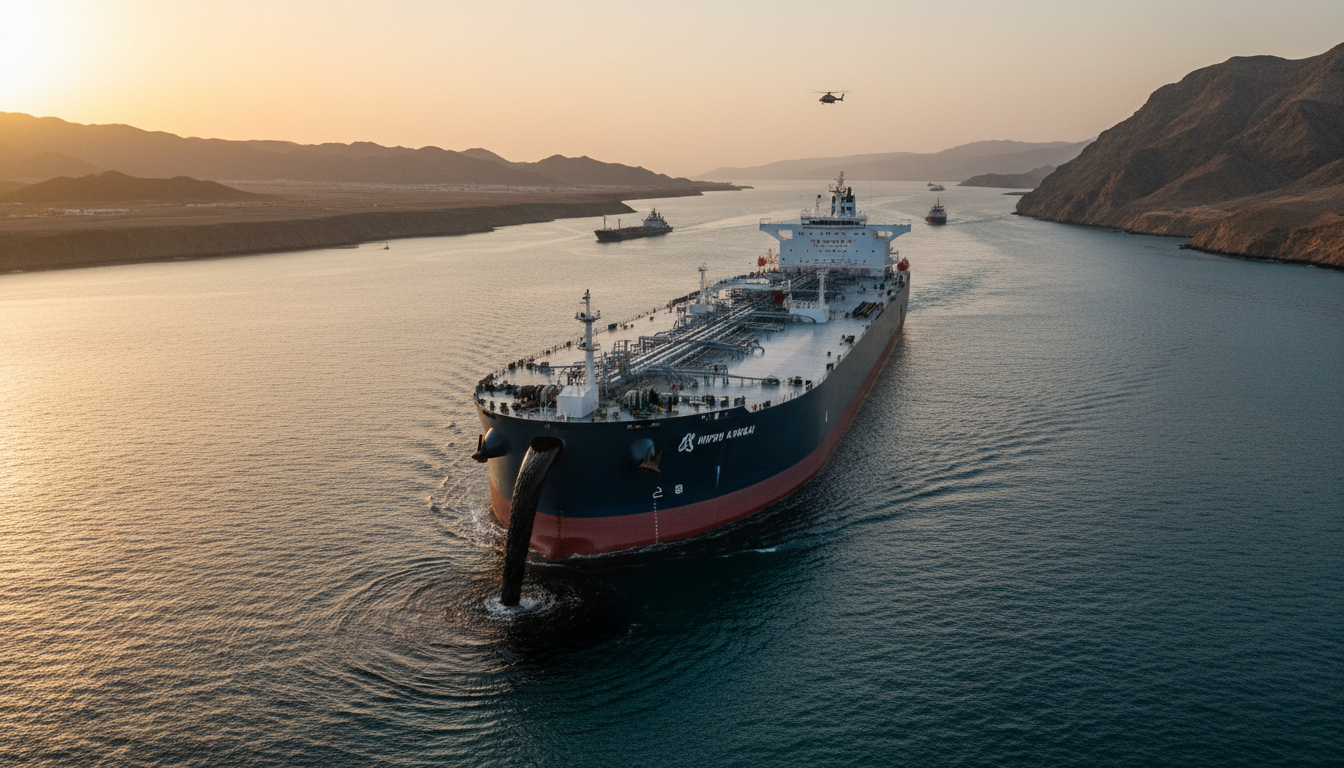
The global oil market is once again fixated on the Strait of Hormuz, a pivotal maritime artery through which a substantial portion of the world’s crude oil navigates. In a development keenly observed by energy analysts and investors, a second Japan-bound tanker has successfully transited this crucial chokepoint since late February, a period marked by escalating geopolitical friction following U.S. and Israeli military actions against Iran. This passage offers a fleeting glimpse of normality amidst a volatile operational environment that continues to present significant challenges to global energy security and supply chain stability.
Eneos Endeavour’s “Dark Passage” Highlights Regional Risks
The vessel in question, identified as the Eneos Endeavour and owned by Japanese energy giant Eneos, carried a substantial cargo vital for Japan’s resource-dependent economy. Data indicates the tanker was laden with 1.2 million barrels of Kuwaiti crude and an additional 700,000 barrels of Emirati crude, both originating from loading operations conducted in late February. While the successful transit provides some relief to nervous investors, the circumstances surrounding its passage underscore the pervasive risks in the Persian Gulf. Notably, the Eneos Endeavour reportedly switched off its transponder while navigating the Strait, a practice that has become increasingly common among vessels operating in the region. This maneuver, often referred to as a “dark passage,” is employed by mariners to evade detection by Iranian forces, highlighting the precarious security landscape and the extraordinary measures operators are forced to adopt to safeguard their valuable crude oil cargoes.
Widespread Stealth Tactics and Maritime Standoff
The decision by the Eneos Endeavour to disable its location devices is far from an isolated incident; it reflects a broader trend in a region fraught with peril for oil and gas shipping. Just last week, three supertankers, brimming with Iraqi and Emirati oil, successfully exited the Strait of Hormuz, all having reportedly executed similar transponder shutdowns. This pattern reveals a clear operational adaptation by the shipping industry in response to the heightened threat environment. However, the broader picture remains grim for maritime commerce. Reports indicate a significant backlog, with 42 container ships currently stalled within the Strait of Hormuz. While nine vessels have managed to clear the waterway, two others have been forcefully seized by Iranian authorities, a stark reminder of the escalating risks that directly impact global supply chains and push up insurance premiums for crude oil shipments. Investors in shipping and commodity markets must remain acutely aware of these disruptions and their potential to trigger significant price volatility in crude oil markets.
Japan’s Profound Reliance on Middle Eastern Crude and Hormuz Passage
For resource-poor Japan, the geopolitical tensions gripping the Middle East and impacting the Strait of Hormuz present an existential threat to its energy security. The island nation is profoundly dependent on oil imports from the region, with its refiners sourcing an astonishing 95% of their feedstock from Middle Eastern suppliers. Major contributors to this critical supply chain include Saudi Arabia, Kuwait, the United Arab Emirates, and Qatar. Crucially, approximately 70% of these vital Middle Eastern crude shipments typically traverse the Strait of Hormuz before reaching Japanese shores. This extreme reliance means that any disruption, no matter how brief, can immediately trigger a supply crunch, sending ripples through Japan’s industrial sectors and potentially impacting global energy prices. The inability of vessels to transit this critical chokepoint directly threatens the stability of Japan’s economy and highlights the fragile nature of international energy logistics and crude oil supply chains.
Investor Outlook: Navigating Volatility in Global Oil Markets
The unfolding situation in the Strait of Hormuz demands continuous monitoring by energy investors. The successful, albeit clandestine, passage of a Japan-bound tanker, coupled with the ongoing backlog and seizures, underscores the persistent geopolitical risk premium embedded in crude oil prices. Escalations in the Persian Gulf directly threaten the seamless flow of roughly 20% of the world’s petroleum liquids, impacting everything from Brent and WTI crude benchmarks to the shares of major oil and gas producers, refiners, and shipping companies. Investors should evaluate how these regional instabilities could influence global supply-demand dynamics, potentially tightening markets and driving up energy costs. Furthermore, the operational challenges faced by tanker operators, including rising insurance costs and the necessity for “dark passages,” translate into higher transport expenses, ultimately affecting the profitability of the entire oil supply chain. The long-term implications for energy security and the imperative for nations like Japan to diversify their energy sources or secure maritime passage remain paramount considerations in the evolving global energy investment landscape.
The Imperative for Vigilance in a Tense Geopolitical Environment
As tensions persist and regional dynamics remain unpredictable, the Strait of Hormuz will undoubtedly continue to be a focal point for global energy markets. The recent transits, while a positive sign for individual shipments, do not negate the underlying instability or the significant number of vessels still impacted by the current climate. For investors seeking exposure to the oil and gas sector, understanding the intricate interplay between geopolitical events, maritime logistics, and national energy security strategies is more crucial than ever. The resilience of the global oil supply infrastructure is being tested, and market participants must remain prepared for sustained volatility originating from this critical waterway. Future developments in the Strait of Hormuz will likely continue to dictate not just regional stability, but also the health and direction of international crude oil prices and the broader energy investment landscape, influencing decisions across the spectrum of oil and gas investing.


