Crude Oil Markets Navigate Choppy Waters Amid Escalating Middle East Tensions
Global crude oil markets are experiencing significant volatility, with prices recently softening from initial highs following a series of Israeli airstrikes targeting Iran. While an initial surge last Friday saw oil prices spike, a cautious sentiment has emerged, suggesting that a broader regional conflagration, with its severe implications for global energy supplies, might still be averted. However, this fragile sense of calm could prove fleeting as the conflict intensifies and diplomatic efforts falter.
Brent crude, the international benchmark, has pulled back to approximately $73 per barrel after briefly topping $78. Similarly, West Texas Intermediate (WTI), the U.S. benchmark, has shed nearly 6% from its recent peak. This retreat reflects a market attempting to price in geopolitical risk while simultaneously holding onto hopes for de-escalation. Yet, beneath the surface of these numerical adjustments, a palpable tension grips the energy sector, leaving investors on high alert.
Geopolitical Flashpoint: Israel and Iran’s Expanding Confrontation
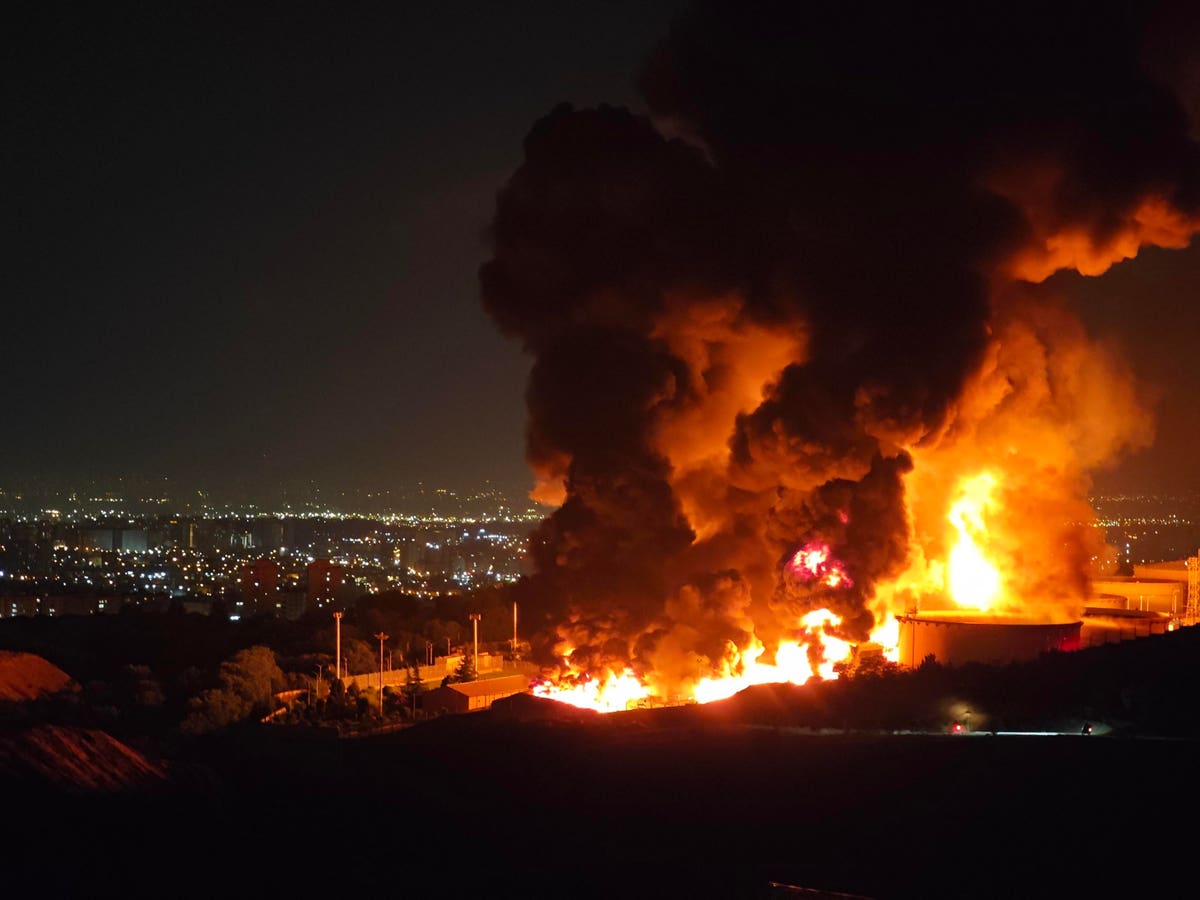
The current confrontation between Israel and Iran has entered its fourth day, demonstrating a concerning trajectory of expansion and direct engagement. Recent reports from June 15, 2025, highlight a significant Israeli attack on the Shahran oil depot in Tehran, contributing to the visible escalation. This strike follows a wave of Israeli operations initiated in the early hours of June 13, which targeted various military, scientific, and even residential locations, alongside senior government officials. Iran’s foreign minister has unequivocally stated the nation’s intent to respond “decisively and proportionally” to these provocations.
The tit-for-tat exchanges have been stark. Israel reportedly targeted Iran’s state television headquarters during a live broadcast and claimed to have neutralized roughly one-third of Iran’s missile launch capabilities. In retaliation, Iran executed strikes on an Israeli oil refinery and caused damage to parts of Israel’s power grid. Explosions have been reported in both nations, with Israeli residential areas affected and Tehran residents reportedly seeking refuge amid fears of an escalating and increasingly dangerous conflict. This direct exchange of blows marks a perilous new chapter for Middle East stability and global energy security.
Oil Prices Dip, But Underlying Risks Remain Undeniable
Despite the harrowing reports from the conflict zone, the initial panic buying that gripped oil markets has largely subsided. The softening of crude prices is primarily attributed to a market consensus, however tenuous, that a full-scale regional war—particularly one that threatens the vital Strait of Hormuz—can still be avoided. This perspective, while offering a temporary reprieve, does not diminish the profound risks that persist.
The Strait of Hormuz remains a central and critical concern for every energy investor and global supply chain manager. This narrow maritime choke point serves as the conduit for approximately 20% of the world’s daily oil supply, according to data from the U.S. Energy Information Administration. Any significant disruption to shipping through this crucial artery would undoubtedly trigger an immediate and substantial spike in global energy prices, with cascading economic consequences. While shipping lanes currently remain open, tanker insurers are already responding to the heightened risk environment by raising their premiums, and numerous carriers are operating under elevated security alerts. The potential for miscalculation or unintended escalation near this strait represents a systemic threat to global oil flows.
Political Rhetoric and Market Signals: A Conflicting Picture
The geopolitical landscape is further complicated by mixed signals emanating from key political leaders, influencing market sentiment and investment strategies. U.S. President Donald Trump has voiced staunch support for Israel, yet notably refrained from endorsing joint G7 calls for de-escalation, suggesting a nuanced and potentially less unified international response. Concurrently, Iran has firmly rejected any negotiations with the United States while its cities endure attacks, indicating a hardening of diplomatic positions and a reduced likelihood of immediate dialogue.
Adding to the uncertainty, Israeli officials have indicated that their military operations could extend for “weeks, not days.” This projection of a prolonged campaign underscores the potential for sustained instability in a region critical to global energy markets. Such an extended period of conflict would inherently elevate geopolitical risk premiums across all asset classes, making long-term planning for energy investments particularly challenging.
Investor Sentiment: Navigating Uncertainty in Energy Markets
As the conflict unfolds, financial markets are struggling to accurately price in the evolving risks. Initially, investors exhibited a clear flight to safety, redirecting capital into traditional safe-haven assets such as gold and U.S. Treasuries. However, a cautious return to equities has since been observed, suggesting a market grappling with contradictory signals and potential outcomes.
Within this volatile environment, energy stocks are experiencing particularly wide swings. This heightened volatility in the oil and gas sector directly reflects the fluid and unpredictable nature of the conditions on the ground. For investors monitoring global energy markets, the current situation demands an agile and informed approach, recognizing that the delicate balance between de-escalation hopes and the stark reality of escalating conflict could shift dramatically at any moment, profoundly impacting crude oil prices and the profitability of energy-related investments.