O&G Investment Targets Hydrogen Decarbonization
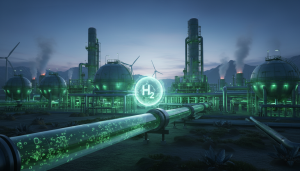
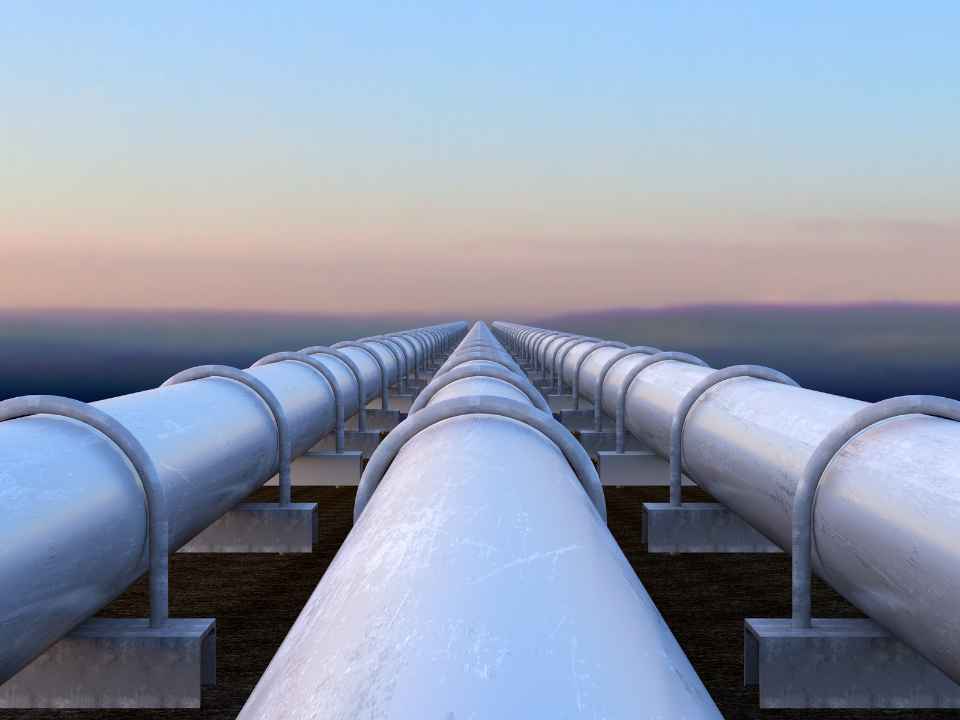
The European energy sector is undergoing a profound transformation, with substantial capital increasingly channeled into projects that seamlessly integrate established oil and gas infrastructure with the rapidly expanding green hydrogen economy. A pivotal development in Germany vividly illustrates this trend: a 25-kilometer pipeline, previously a vital artery for natural gas transport, has been successfully reconfigured for hydrogen delivery. This strategic conversion, a key component of the expansive Bad Lauchstädt Energy Park near Leipzig, signals a clear investment pathway for industrial decarbonization and the future-proofing of existing energy networks.
Strategic Repurposing: A New Frontier for Infrastructure Investment
This critical infrastructure initiative, focused on its connection to TotalEnergies’ refinery in Leuna, represents a concrete stride towards scaling green hydrogen applications. The pipeline is set to become the conduit for up to 2,700 tonnes of green hydrogen annually, originating from a new 30-megawatt green hydrogen production facility scheduled to commence operations by the close of 2025. This state-of-the-art production site will deploy advanced Sunfire alkaline electrolysers, powered entirely by an on-site wind farm, underscoring a robust commitment to fully renewable energy sources for hydrogen generation. The consortium behind this ambitious undertaking, comprising industry leaders Uniper, Terrawatt, Ontras, and VNG, reached a significant €210 million final investment decision (FID) in 2023, signaling profound confidence in the project’s economic viability and strategic significance for the energy transition.
A Blueprint for Industrial Decarbonization and Asset Optimization
Under the expert leadership of German gas network operator Ontras, the project team meticulously executed the pipeline’s transformation. This intricate process involved a complete disconnection from the conventional natural gas grid, followed by crucial reinforcements designed to ensure its structural integrity and safety for hydrogen transport. The initial hydrogen fill and subsequent commencement of test operations mark a significant engineering triumph, actively paving the way for full commissioning. This detailed conversion process offers a valuable blueprint for other regions and investors contemplating similar infrastructure repurposing, demonstrating the feasibility and compelling economic advantages of adapting existing assets rather than incurring the higher costs and longer timelines associated with building entirely new networks. Investors keenly observing the energy transition should note the efficiency and accelerated timelines gained by leveraging established corridors and existing right-of-ways.
Profound Strategic Implications for Downstream O&G
For TotalEnergies, the integration of green hydrogen at its Leuna refinery carries profound strategic implications. The facility currently relies on “grey hydrogen,” conventionally produced using fossil fuels, for its diverse refining processes. By displacing these volumes with green hydrogen, the refinery will achieve a substantial reduction in its carbon footprint, aligning directly with increasingly stringent environmental regulations and ambitious corporate sustainability targets. This proactive move not only enhances TotalEnergies’ environmental, social, and governance (ESG) profile but also positions the company as a leader in adopting decarbonization solutions within the traditionally carbon-intensive downstream sector. Such initiatives are crucial for O&G majors aiming to maintain social license to operate and attract capital from sustainability-focused funds.
Forging the Future Hydrogen Network: Investment Horizons
Beyond the immediate project, the consortium’s efforts, particularly the expertise of ONTRAS, are instrumental in laying the groundwork for a broader German and European hydrogen network. This pioneering project serves as a crucial proof of concept, demonstrating how existing gas infrastructure can be efficiently transitioned to transport hydrogen. This flexibility is vital for the development of a resilient hydrogen economy, attracting further investment into both production and distribution. The involvement of major players like Uniper and VNG underscores the potential for a scalable, integrated hydrogen value chain, offering lucrative opportunities for investors across the spectrum—from renewable energy generation to pipeline operators and industrial end-users.
Government Support and Market Outlook for Hydrogen Investment
Such large-scale, transformative projects often benefit from significant governmental backing. While not explicitly detailed in every public announcement, initiatives of this magnitude typically receive support through programs like the Important Project of Common European Interest (IPCEI) framework, which aims to foster cross-border innovation and infrastructure development. This public-private partnership model de-risks early-stage investments, making them more attractive to institutional capital. The successful FID and rapid execution of the Bad Lauchstädt project signal a maturing market for green hydrogen investments, particularly those leveraging existing O&G assets. For investors in the oil and gas sector, these developments represent not merely a shift away from fossil fuels, but a strategic expansion into new, high-growth energy vectors that capitalize on their core competencies in large-scale energy infrastructure, project management, and industrial integration. The future of energy finance increasingly intersects with these decarbonization pathways, offering compelling long-term value propositions.