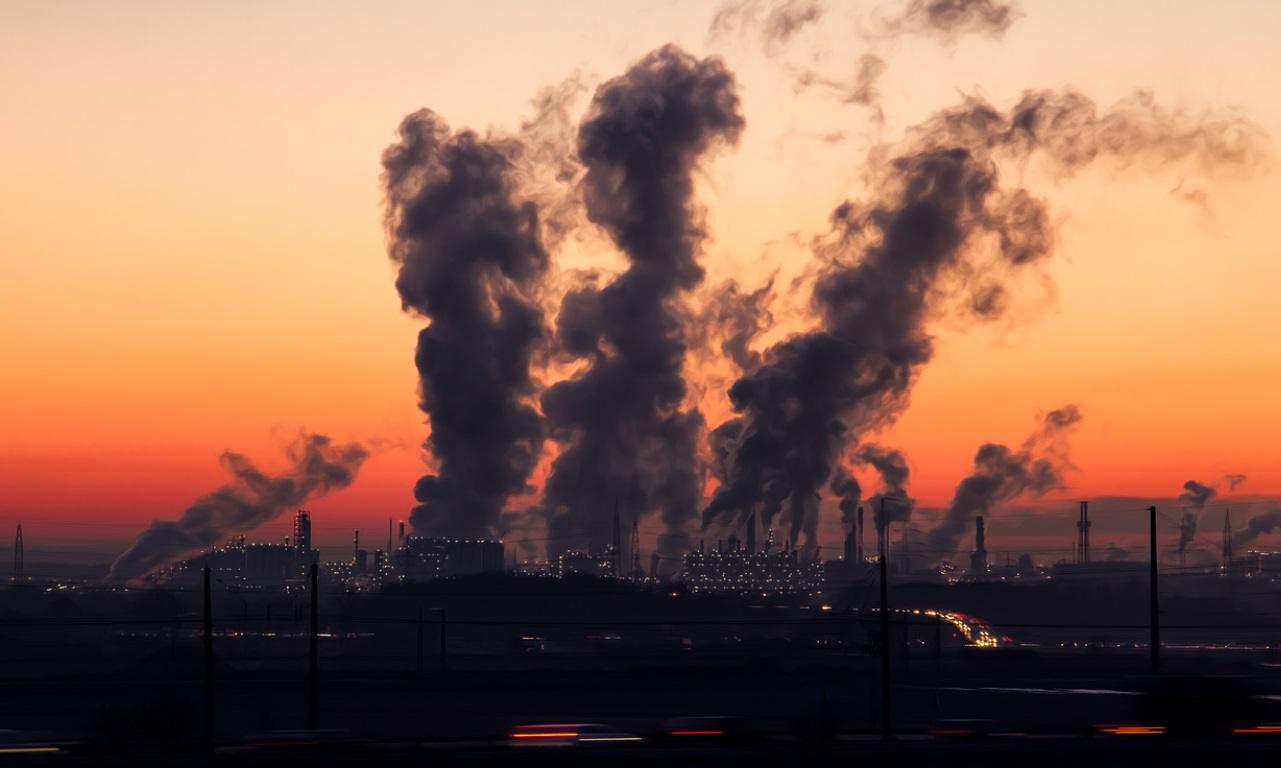
The Superpollutant Initiative: A New Investment Imperative for Oil & Gas
A formidable coalition of corporate heavyweights, including Amazon, Autodesk, Figma, Google, JPMorganChase, Salesforce, and Workday, recently unveiled the Superpollutant Action Initiative. This ambitious endeavor aims to channel $100 million into solutions designed to accelerate the reduction of “superpollutants” by 2030. These gases, such as methane from fossil fuels, black carbon, and hydrofluorocarbons (HFCs), are many times more potent than CO2 in their global warming impact, despite often having shorter atmospheric lifespans. For oil and gas investors, this initiative is far more than a corporate social responsibility gesture; it signals a growing pressure point and a critical new dimension for evaluating sector investments, particularly concerning methane emissions from production and infrastructure.
Targeting Methane: The Oil & Gas Sector’s Immediate Challenge
The Superpollutant Action Initiative explicitly identifies methane from fossil fuels as a key target. This is a direct and undeniable challenge for the oil and gas industry. According to scientific consensus, superpollutants are responsible for nearly half of global warming to date, making their reduction one of the most impactful near-term strategies for climate action. The Beyond Alliance, which is organizing this initiative, emphasizes that private capital deployment is crucial for unlocking these solutions. The collective commitment of $100 million, while a fraction of the industry’s total capital expenditure, represents a significant vote of confidence in emerging methane abatement and destruction technologies. For investors, understanding a company’s current methane footprint and its strategic plan for reduction will become an increasingly vital metric, influencing everything from regulatory compliance to social license to operate.
Market Headwinds Meet Emerging ESG Pressures
This new environmental finance push arrives at a time when the broader crude market is already navigating a period of consolidation. As of today, Brent crude trades at $92.64 per barrel, reflecting a 0.64% decline, while WTI crude stands at $89.03 per barrel, down 0.71%. This daily softness continues a more pronounced trend, with Brent having shed approximately 7% over the past two weeks, falling from $101.16 on April 1st to its current level. This market backdrop underscores the added complexity for oil and gas producers. Beyond managing traditional supply-demand dynamics and geopolitical risks, companies now face increasing pressure from corporate initiatives and evolving ESG mandates. The Superpollutant Action Initiative, backed by companies with immense market influence, serves notice that the financial and technological communities are becoming more active players in dictating environmental performance, potentially impacting the cost of capital and future revenue streams for companies perceived as laggards in emissions reduction.
Investor Focus Shifts: Beyond Price, Towards Production Practices
Our proprietary data indicates that investor sentiment often fixates on immediate price movements, with many asking about the short-term direction of WTI or the price of oil per barrel by the end of 2026. While these questions are undoubtedly critical, the Superpollutant Action Initiative highlights a more nuanced, long-term factor that will increasingly influence O&G valuations: the environmental integrity of production. Investors are beginning to understand that future price stability and profitability will not solely depend on geopolitical events or OPEC+ decisions, but also on a company’s ability to operate sustainably and mitigate potent emissions like methane. Companies that proactively invest in methane leak detection, capture, and destruction technologies are likely to gain a competitive advantage, potentially attracting more sustainable investment capital and commanding higher valuations in a market that increasingly rewards responsible energy production. The initiative’s goal to create a global roadmap for private capital deployment will provide further clarity on how to assess and fund these critical solutions, guiding investor decisions.
Upcoming Catalysts and Strategic Imperatives for O&G
While the market will closely watch upcoming data points like the EIA Weekly Petroleum Status Report on April 22nd and April 29th, or the Baker Hughes Rig Count on April 24th and May 1st, for short-term trading signals, the Superpollutant Action Initiative points to a deeper strategic shift. The long-term implications of this private sector commitment, bolstered by scientific backing from the IPCC and the Carbon Containment Lab, will likely manifest in future regulatory frameworks and investor expectations. The Beyond Alliance’s work on a global roadmap for private capital deployment is a significant forward-looking event that will directly inform how O&G companies can, and must, engage. Proactive engagement in developing and deploying methane abatement technologies is no longer an optional add-on but a strategic imperative. Firms that integrate these considerations into their capital allocation, R&D, and operational planning will be better positioned to thrive in a decarbonizing world, secure financing, and ultimately deliver superior long-term value to their shareholders.


