The financial calculus for oil and gas investments is undergoing a profound re-evaluation as climate-related risks intensify, a reality starkly underscored by a recent, historic four-day storm that ravaged the central Mississippi Valley in early April. Expert climate scientists have swiftly established a direct causal link between the unprecedented ferocity and heightened probability of this event and the ongoing combustion of fossil fuels. For discerning investors navigating the energy landscape, these findings are not merely environmental news; they demand a critical re-assessment of portfolio vulnerabilities to climate change impacts and the escalating financial burdens in an increasingly warmer world.
Devastation and Data: The Cost of a Warming Climate
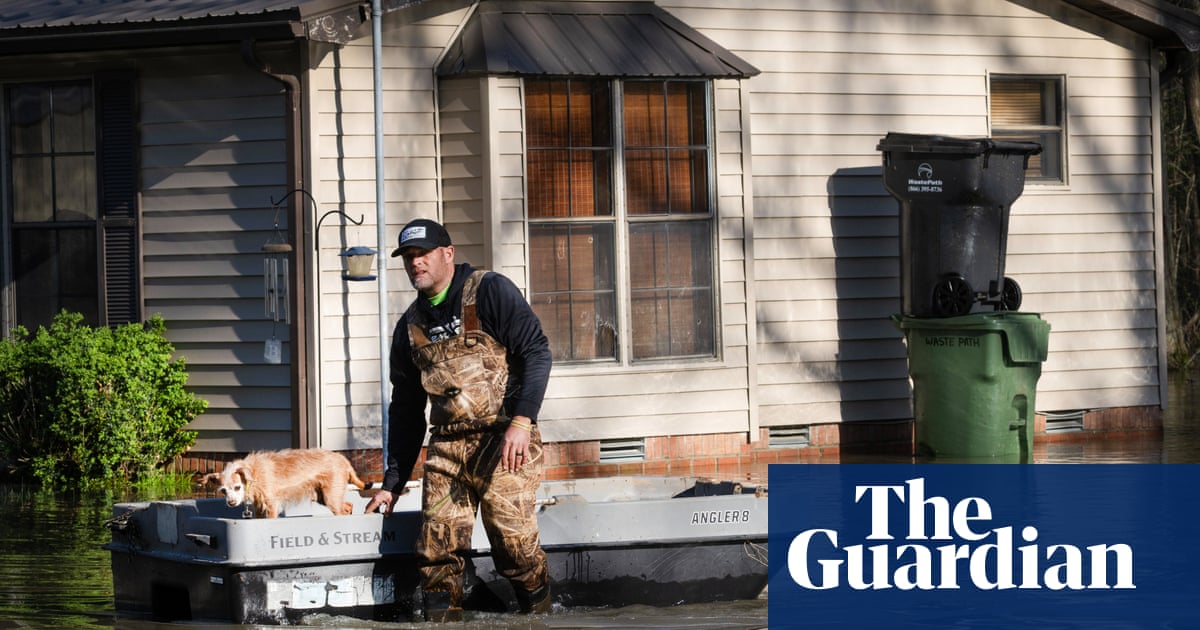
Between April 3rd and 6th, a swath of eight southern and midwestern states—Mississippi, Arkansas, Missouri, Illinois, Indiana, Kentucky, Tennessee, and Alabama—endured record-shattering rainfall, triggering catastrophic flooding across vast regions. This disaster tragically claimed at least 15 lives directly due to the inundation, submerged extensive agricultural lands, obliterated homes, swept away vehicles, and severed power to hundreds of thousands of residents. An additional nine fatalities resulted from associated tornadoes and powerful winds that accompanied the deluge. Economic damage assessments currently project a staggering financial toll, ranging between $80 billion and $90 billion, painting a stark picture of the direct economic fallout.
Crucially, scientific inquiry from the World Weather Attribution (WWA) study provides undeniable clarity on the nexus to human-caused climate change. Their research concludes that the rainfall experienced was approximately 9% more intense and 40% more probable precisely because of global warming. Researchers also caution that model uncertainties suggest the climate crisis’s role could, in fact, be even more significant. A primary catalyst for this extreme precipitation event was unusually warm ocean temperatures in the Gulf of Mexico, which dramatically amplified the storm’s moisture content. Surface sea temperatures in the region registered 2.2 degrees Fahrenheit (1.2 degrees Celsius) hotter, a direct consequence of the human-caused climate crisis, rendering such ocean conditions an alarming 14 times more probable compared to a cooler, pre-industrial era.
Operational Exposure: Direct Threats to Energy Infrastructure
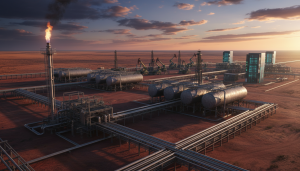
This recent meteorological calamity is far from an isolated incident; the region has witnessed a succession of deadly storms in recent years, including Hurricane Helene in September, which alone accounted for over 230 fatalities, predominantly from torrential rainfall and subsequent flooding. For investors holding positions in oil and gas, this pattern of recurring and intensifying extreme weather translates directly into significant operational and financial risks. Core infrastructure vital to the energy sector—including extensive pipeline networks, sophisticated refineries, offshore and onshore production facilities, and intricate transportation logistics—becomes inherently vulnerable to direct physical damage from floods, high winds, and a spectrum of associated hazards. Such disruptions inevitably lead to severe supply chain bottlenecks, directly impacting energy commodity prices, delaying delivery schedules, and ultimately eroding shareholder value.
Financial Consequences: Beyond Physical Damage
The financial implications for energy companies extend far beyond the immediate costs of physical repairs. The escalating frequency and severity of extreme weather events are driving a substantial surge in insurance premiums, increasing the operational overhead for every barrel produced or refined. Furthermore, companies face mounting pressure and necessity to allocate increased capital expenditure towards climate resilience measures. This includes fortifying existing infrastructure, relocating critical assets, and investing in advanced weather monitoring and disaster preparedness systems. These significant CapEx outlays represent a direct hit to profitability and free cash flow.
Beyond these direct costs, the investment community must also contend with the broader financial ecosystem impacts. Regulatory bodies are increasingly scrutinizing climate risk disclosures, potentially leading to new compliance costs or penalties. Litigation risks are also on the rise, with various stakeholders seeking accountability for climate-related damages. Perhaps most profoundly, the long-term viability of certain assets comes into question. Facilities located in high-risk coastal or flood-prone areas, or those with heavy carbon footprints, face the increasing prospect of devaluation or even becoming ‘stranded assets’ – assets that suffer unanticipated or premature write-downs, devaluations, or conversion to liabilities due to climate-related factors. This poses a significant challenge to traditional valuation models and long-term investment horizons.
Investor Imperative: Adapting to a New Climate Reality
The evidence is undeniable: climate risk is no longer a peripheral concern for oil and gas investors; it is a central determinant of future performance and valuation. The recent Mississippi Valley storm, coupled with robust scientific attribution, serves as a powerful reminder that the costs of a warming planet are already being borne by the energy sector. Prudent investors must integrate these evolving climate realities into their due diligence and portfolio management strategies. This entails rigorous assessment of physical asset vulnerability, comprehensive evaluation of insurance and resilience spending, and a forward-looking view on potential regulatory shifts and market demand dynamics.
To navigate this complex environment successfully, a proactive approach is paramount. Companies that effectively manage their climate risk exposure, invest in resilient infrastructure, and demonstrate a credible pathway towards decarbonization will likely outperform those that fail to adapt. For investors, understanding and quantifying these risks is crucial for safeguarding capital and capturing value in an energy sector undergoing profound transformation. The message is clear: the link between fossil fuels and extreme weather is strengthening, and so too must the resolve of investors to account for its financial ramifications.